
Finding a job isn’t just about scanning listings or submitting applications. The most fulfilling roles come from intentional alignment between your abilities, values, and long-term vision. In today’s competitive market, generic approaches rarely yield meaningful results. Instead, professionals who succeed use deliberate, research-backed methods to identify opportunities that fit not only their experience but also their personal and career aspirations.
This guide outlines practical, field-tested strategies that go beyond keyword optimization and resume tweaking. These are the same techniques used by career coaches, hiring managers, and individuals who consistently land roles they enjoy and grow in over time.
1. Clarify Your Skills and Define Your Goals
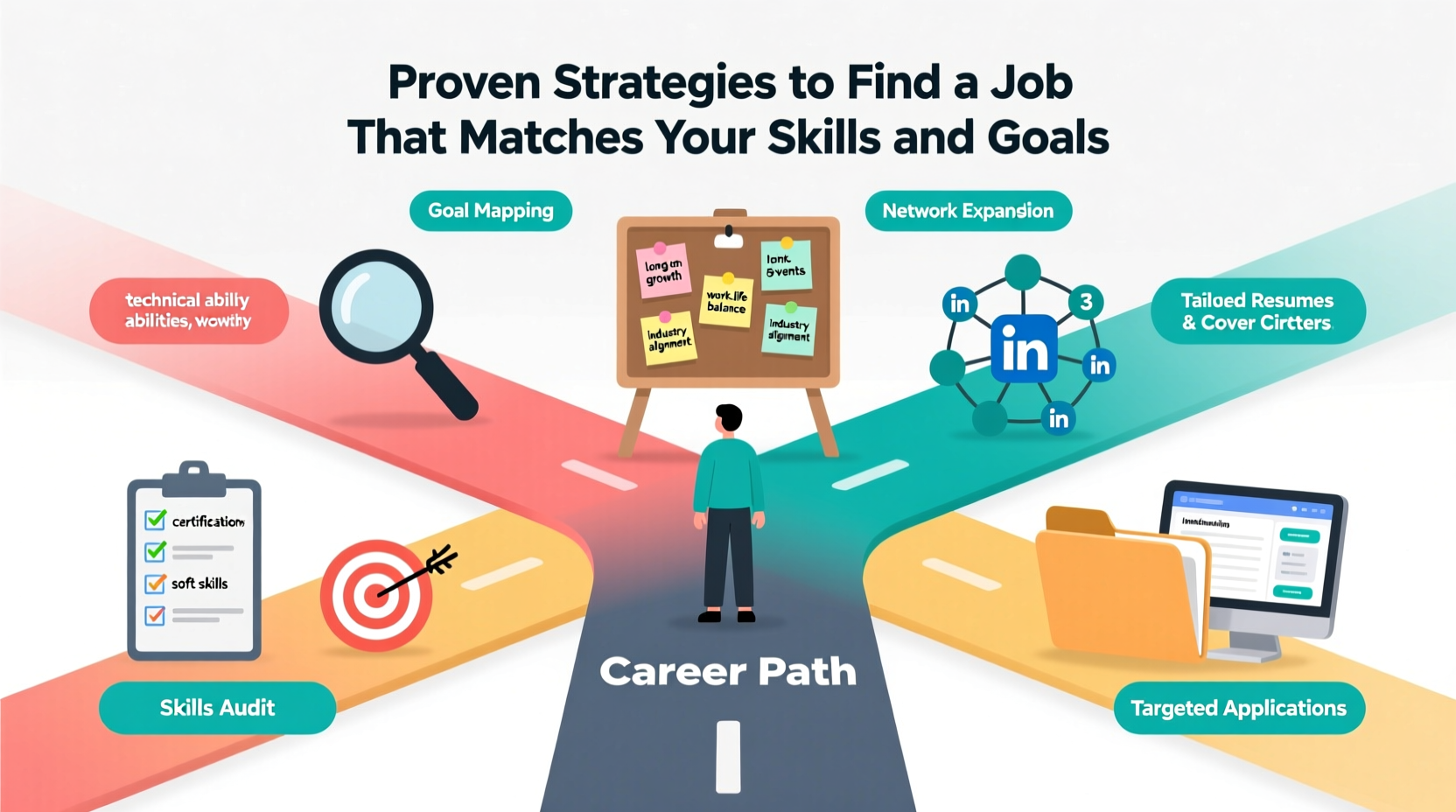
Before applying to any position, you must understand what you bring to the table and where you want to go. Many job seekers skip this foundational step, leading to scattered applications and misaligned roles.
Start by conducting a personal inventory. List your technical skills (e.g., data analysis, project management), soft skills (e.g., communication, leadership), and transferable strengths (e.g., problem-solving, adaptability). Then, assess which of these you enjoy using regularly and which feel like work even when mastered.
Next, define your professional goals. Are you aiming for advancement in your current field? A pivot into a new industry? Geographic flexibility? Work-life balance? Financial targets? Be specific. Vague ambitions lead to vague outcomes.
A Real Example: From Confusion to Clarity
Sarah, a marketing coordinator with five years of experience, felt stuck. She applied to senior roles but kept getting rejected. After working with a career advisor, she realized her applications lacked focus. Some highlighted analytics, others creativity. By clarifying her core strength—data-driven campaign strategy—and aligning it with her goal of moving into tech marketing, she refined her messaging. Within two months, she landed a role at a SaaS company with 30% higher pay and growth potential.
2. Research Industries and Companies Strategically
Not all jobs are created equal, even within the same title. A “product manager” at a startup operates differently than one at a Fortune 500 company. To find the right fit, research must extend beyond job boards.
Identify industries growing in demand for your skill set. For example, digital literacy opens doors in healthcare IT, renewable energy, and edtech. Use resources like the U.S. Bureau of Labor Statistics, LinkedIn Insights, or industry reports from McKinsey and Gartner to spot trends.
Then, investigate company cultures. Visit employer review sites like Glassdoor or Blind, but go deeper. Read annual reports, press releases, and employee interviews. Look for signals: Do they promote internal mobility? Support remote work? Invest in training?
“Candidates who understand our mission before applying stand out immediately.” — Jamal Patel, HR Director at Greenlight Tech
Do’s and Don’ts When Researching Employers
| Do | Don’t |
|---|---|
| Review the company’s recent projects or product launches | Rely solely on salary as a deciding factor |
| Analyze leadership team backgrounds and values statements | Assume all departments share the same culture |
| Connect with current employees via LinkedIn for informal chats | Apply without understanding the company’s market position |
3. Optimize Your Personal Brand and Application Materials
Your resume and LinkedIn profile aren’t just documents—they’re marketing tools. They should reflect not just what you’ve done, but how you add value.
Tailor every application. Use keywords from the job description, but more importantly, reframe your achievements to mirror the employer’s priorities. If the role emphasizes collaboration, highlight cross-functional projects. If innovation is key, showcase process improvements you led.
Write accomplishment-based bullet points using the STAR method (Situation, Task, Action, Result). Instead of “Managed social media accounts,” say, “Increased Instagram engagement by 67% in six months through targeted content strategy and audience segmentation.”
4. Build Targeted Professional Relationships
Over 70% of jobs are filled through networking, often before being posted publicly. Yet many people treat networking as transactional—reaching out only when they need something.
The most effective approach is relationship-building over time. Engage authentically: comment on posts, attend virtual events, volunteer for industry associations. When connecting, focus on learning, not asking. A simple message like, “I admired your talk on sustainable design—could I ask how you got started in the field?” opens doors more than “Can you refer me?”
Informational interviews are powerful. Request 15 minutes to learn about someone’s career path. Most professionals are willing to help if approached respectfully. Afterward, send a thank-you note and stay in touch periodically.
Step-by-Step Networking Plan
- Identify 10 professionals in your target roles/companies
- Engage with their content or mutual connections
- Send personalized connection requests referencing shared interests
- Request brief informational interviews (15–20 minutes)
- Follow up with gratitude and periodic updates
- Ask for referrals only after rapport is established
5. Evaluate Offers Based on Fit, Not Just Pay
When multiple offers arrive, it’s tempting to choose the highest salary. But long-term satisfaction depends on alignment with your values and goals.
Create a decision matrix. Rate each offer across criteria like:
- Career growth potential
- Team dynamics and management style
- Work-life balance and flexibility
- Company stability and mission
- Learning and development support
Assign weights based on your priorities. For instance, if mentorship matters more than pay, give it a higher score. This removes emotion from the decision and ensures objectivity.
“People leave managers, not companies. Culture fit impacts retention more than compensation.” — Dr. Lena Torres, Organizational Psychologist
FAQ
How do I find jobs that match my skills if I’m changing careers?
Focus on transferable skills and adjacent industries. Use LinkedIn to find people who made similar transitions. Highlight relevant projects or freelance work in your resume. Consider short certifications to bridge gaps (e.g., Google Career Certificates).
Should I apply to jobs if I don’t meet all the listed requirements?
Yes—especially if you meet 60–70% of them. Job descriptions often list ideal qualifications, not strict filters. Emphasize adaptability and quick learning in your cover letter.
How long should the job search take?
A well-targeted search typically takes 3–6 months. Rushing leads to poor fits. Quality matters more than speed. If you’re not getting interviews, revisit your materials and outreach strategy.
Action Checklist: Your Roadmap to the Right Job
- ✅ Audit your skills and define 2–3 clear career goals
- ✅ Identify 3 target industries and 5 dream companies
- ✅ Update your LinkedIn and resume with achievement-focused language
- ✅ Reach out to 2 contacts per week for informational interviews
- ✅ Apply to 5–10 curated roles weekly, tailored to each position
- ✅ Track applications and follow up within 7–10 days
- ✅ Evaluate offers using a fit-based scoring system
Conclusion
Finding a good job that truly matches your skills and goals isn’t luck—it’s strategy. It requires self-awareness, research, persistence, and thoughtful communication. The most rewarding roles don’t just pay well; they challenge you, align with your values, and support your growth.
Start today. Revisit your goals. Refine your story. Reach out to someone in your field. Small, consistent actions compound into major breakthroughs. Your next great opportunity isn’t found by chance—it’s built through intention.




 浙公网安备
33010002000092号
浙公网安备
33010002000092号 浙B2-20120091-4
Comments
No comments yet. Why don't you start the discussion?