
A clean bed is more than just visually appealing—it’s essential for restful sleep, respiratory health, and overall well-being. Dust mites, dead skin cells, sweat residue, and allergens accumulate rapidly in bedding, often without visible signs. Over time, this buildup can trigger allergies, disrupt sleep quality, and shorten the lifespan of your linens. The good news? With consistent, science-backed habits, it’s entirely possible to keep your bedding dust-free and spotless every single day. This guide delivers practical, tested strategies that go beyond weekly washing—helping you create a truly hygienic sleep environment.
1. Understand What Makes Bedding Dirty
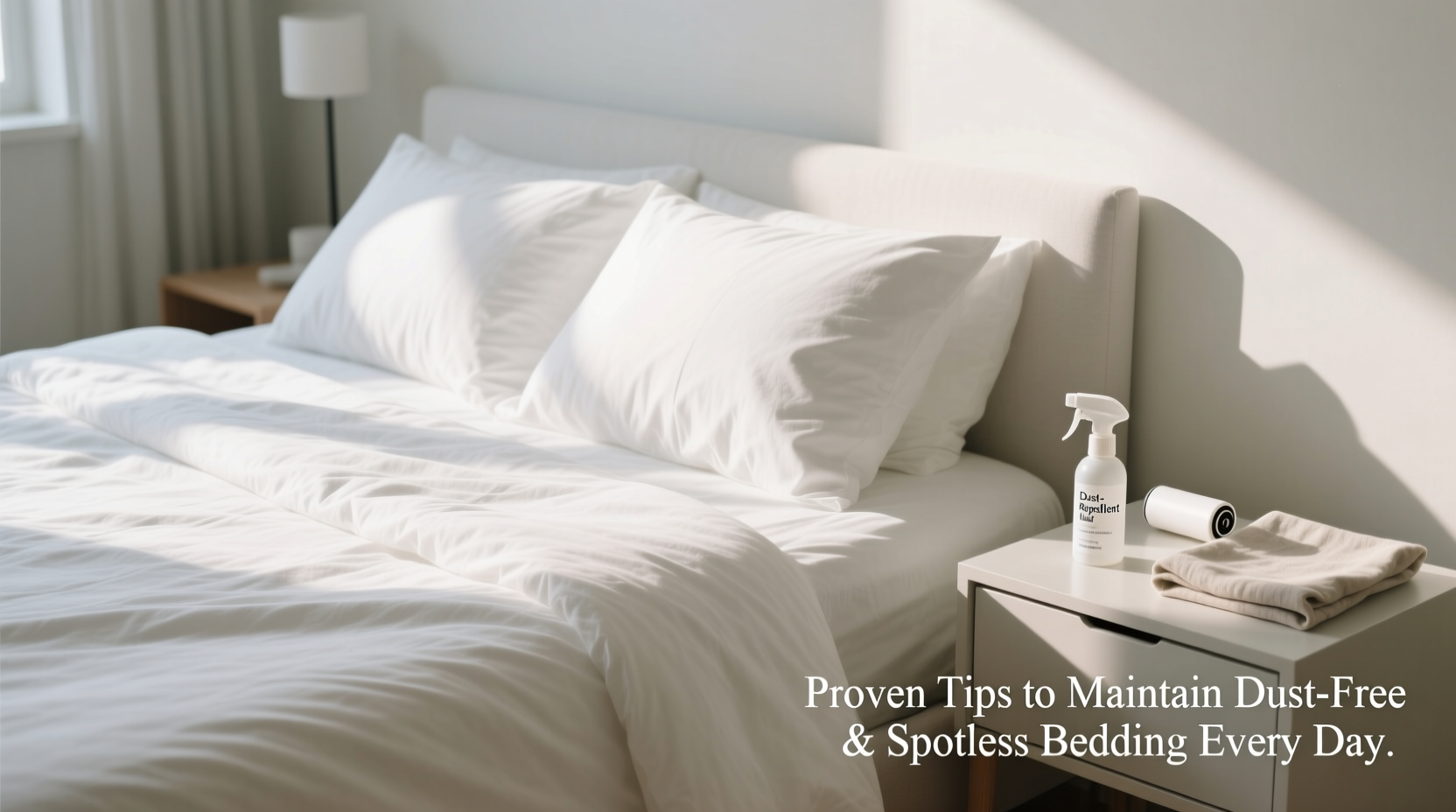
Most people assume bedding only needs cleaning when it looks or smells dirty. In reality, contamination begins the moment you get into bed. The human body sheds up to 500 million skin cells daily, many of which end up in your sheets. These flakes are a primary food source for dust mites—microscopic pests that thrive in warm, humid environments like mattresses and pillows. Their droppings are a common allergen linked to asthma and eczema.
In addition to biological debris, environmental dust, pet dander, outdoor pollutants, and even microplastics from synthetic fabrics settle into fibers overnight. Without intervention, these particles embed deeply, reducing fabric breathability and inviting mold or mildew in humid climates.
“Your bed can harbor up to 1.5 million dust mites by the end of the week. Regular maintenance isn’t optional—it’s a health necessity.” — Dr. Lena Patel, Allergist & Sleep Environment Specialist
2. Daily Habits That Prevent Dust Accumulation
While weekly laundering is standard, daily practices determine how clean your bedding stays between washes. Incorporating small routines each morning takes less than two minutes but significantly reduces contamination.
- Let your bed breathe: After waking, pull back the covers and open windows if possible. This allows moisture from night sweats to evaporate, making the environment less hospitable to dust mites.
- Use a top sheet: A removable top layer acts as a barrier between your body and the duvet or comforter, absorbing oils and skin cells before they penetrate deeper layers.
- Wash hands before bed: Simple handwashing prevents transferring dirt, lotions, and bacteria directly onto pillowcases.
- Avoid eating in bed: Crumbs attract dust and insects. Reserve meals for dining areas only.
3. Weekly Maintenance Routine: A Step-by-Step Guide
Daily habits reduce buildup, but a structured weekly routine ensures deep cleanliness. Follow this timeline for optimal results:
- Day 1 (Monday): Strip the bed
Remove all layers—sheets, pillowcases, duvet cover, and mattress protector. Check for stains and treat them immediately with oxygen-based stain removers. - Day 2 (Tuesday): Wash bedding
Use hot water (at least 130°F / 54°C) to kill dust mites and dissolve oils. Choose fragrance-free, hypoallergenic detergent to avoid skin irritation. Dry on high heat for at least 30 minutes to eliminate remaining microbes. - Day 3 (Wednesday): Vacuum the mattress
Use a handheld vacuum with a HEPA filter to remove dust, mites, and debris from the surface and seams. Pay special attention to crevices and corners. - Day 4 (Thursday): Rotate the mattress
If your mattress allows rotation, flip or turn it head-to-foot monthly to ensure even wear and prevent dust pockets from forming in one area. - Day 5 (Friday): Refresh pillows and duvets
Pillows should be washed every 3–6 months. Duvets every 6–12 months unless soiled. Use dryer balls to fluff synthetic fills and restore loft.
4. Smart Protection: Barriers Against Dust and Stains
Prevention is more effective than correction. High-quality protective layers form a critical defense system:
- Hypoallergenic mattress encasements: Fully zippered, breathable covers block dust mites, bed bugs, and spills while allowing airflow.
- Pillow protectors: Waterproof yet soft options shield against sweat, saliva, and makeup transfer.
- Duvet inserts with removable covers: Instead of washing bulky comforters frequently, simply remove and launder the outer cover weekly.
| Bedding Item | Recommended Cleaning Frequency | Best Washing Method |
|---|---|---|
| Sheets & Pillowcases | Every 7 days | Hot water (54°C), mild detergent |
| Duvet Cover | Every 7–14 days | Warm water, gentle cycle |
| Pillows (synthetic) | Every 3–6 months | Machine wash, low spin, full dry |
| Mattress Protector | Every 2 weeks | Cool to warm water, no bleach |
| Comforter/Duvet Insert | Every 6–12 months | Professional cleaning or cold delicate cycle |
5. Real-Life Example: How One Household Reduced Allergy Symptoms
The Thompson family in Portland, Oregon, struggled with persistent nighttime congestion and itchy eyes. Their 8-year-old daughter had been diagnosed with dust mite allergies, but symptoms worsened despite medication. After consulting an environmental health specialist, they implemented a strict bedding protocol: switching to allergen-proof encasements, laundering all linens weekly in hot water, banning stuffed animals from beds, and using a HEPA air purifier in the bedroom.
Within three weeks, allergy symptoms dropped by over 70%. Follow-up testing showed a dramatic reduction in airborne dust mite allergens. “We didn’t realize how much our bedtime habits were affecting our health,” said Sarah Thompson. “Changing the way we care for our bedding was simple—and life-changing.”
Common Mistakes That Invite Dust and Spots
Even with good intentions, certain habits undermine cleanliness:
- Skipping the mattress protector: Without a barrier, sweat and spills soak into the core, creating microbial breeding grounds.
- Using scented detergents: Fragrances can linger in fibers and irritate sensitive skin or airways.
- Overloading the washer: Crowded loads don’t rinse thoroughly, leaving soap and grime trapped in fabric.
- Leaving wet laundry too long in the machine: Damp environments promote mildew, leading to musty odors and stains.
Frequently Asked Questions
Can I use cold water to wash my sheets?
Cold water is acceptable for regular cleaning, especially for delicate fabrics. However, to effectively kill dust mites and remove body oils, hot water (at least 54°C) is recommended at least once every two washes.
How do I keep white sheets from turning gray?
Gray discoloration comes from accumulated body oils and detergent residue. To restore brightness, wash whites separately using oxygen bleach (not chlorine) and avoid fabric softeners, which coat fibers and trap dirt. Sun-drying also naturally whitens cotton.
Are silk or satin sheets harder to keep clean?
Silk requires gentler care—hand wash or delicate cycle with cool water and pH-neutral detergent. While more delicate, silk naturally resists dust mites and absorbs less moisture than cotton, potentially reducing odor and allergen buildup when properly maintained.
Final Checklist: Your Daily & Weekly Bedding Care Plan
Print or save this checklist to stay consistent:
- ☑ Make bed and let it air out each morning
- ☑ Use lint roller on pillows and comforter
- ☑ Change sheets weekly without exception
- ☑ Wash in hot water with hypoallergenic detergent
- ☑ Dry completely—no dampness allowed
- ☑ Vacuum mattress monthly with HEPA filter
- ☑ Use allergen-proof encasements on mattress and pillows
- ☑ Replace old pillows (over 2 years) and worn protectors
Conclusion: Elevate Your Sleep Hygiene Starting Tonight
A truly clean bed isn’t achieved through occasional deep cleaning—it’s built through daily awareness and disciplined care. By understanding what contaminates your bedding and taking proactive steps, you transform your sleeping space into a sanctuary of purity and comfort. The benefits extend far beyond aesthetics: improved breathing, fewer allergies, deeper sleep, and longer-lasting linens. Start tonight. Strip, wash, protect, and commit to a routine that honors both your health and your home. Small actions compound into lasting change—one perfectly clean night at a time.




 浙公网安备
33010002000092号
浙公网安备
33010002000092号 浙B2-20120091-4
Comments
No comments yet. Why don't you start the discussion?