
Analog stick drift is one of the most frustrating issues gamers face—when your character moves on their own or your camera pans without input, it’s not just annoying; it can ruin gameplay. The PS5’s DualSense controller, while praised for its haptic feedback and immersive design, isn’t immune to this growing problem. Unlike older models, modern controllers use potentiometers in analog sticks that degrade over time, leading to unintended inputs. Understanding what causes drift and taking preventive action early can significantly extend your controller’s life and save you money on replacements.
Drift doesn’t happen overnight. It begins subtly—a slight twitch during menus, a delayed return to neutral position—and worsens with continued use. By recognizing the root causes and adopting smart usage habits, you can delay or even avoid drift entirely.
What Causes PS5 Controller Drift?
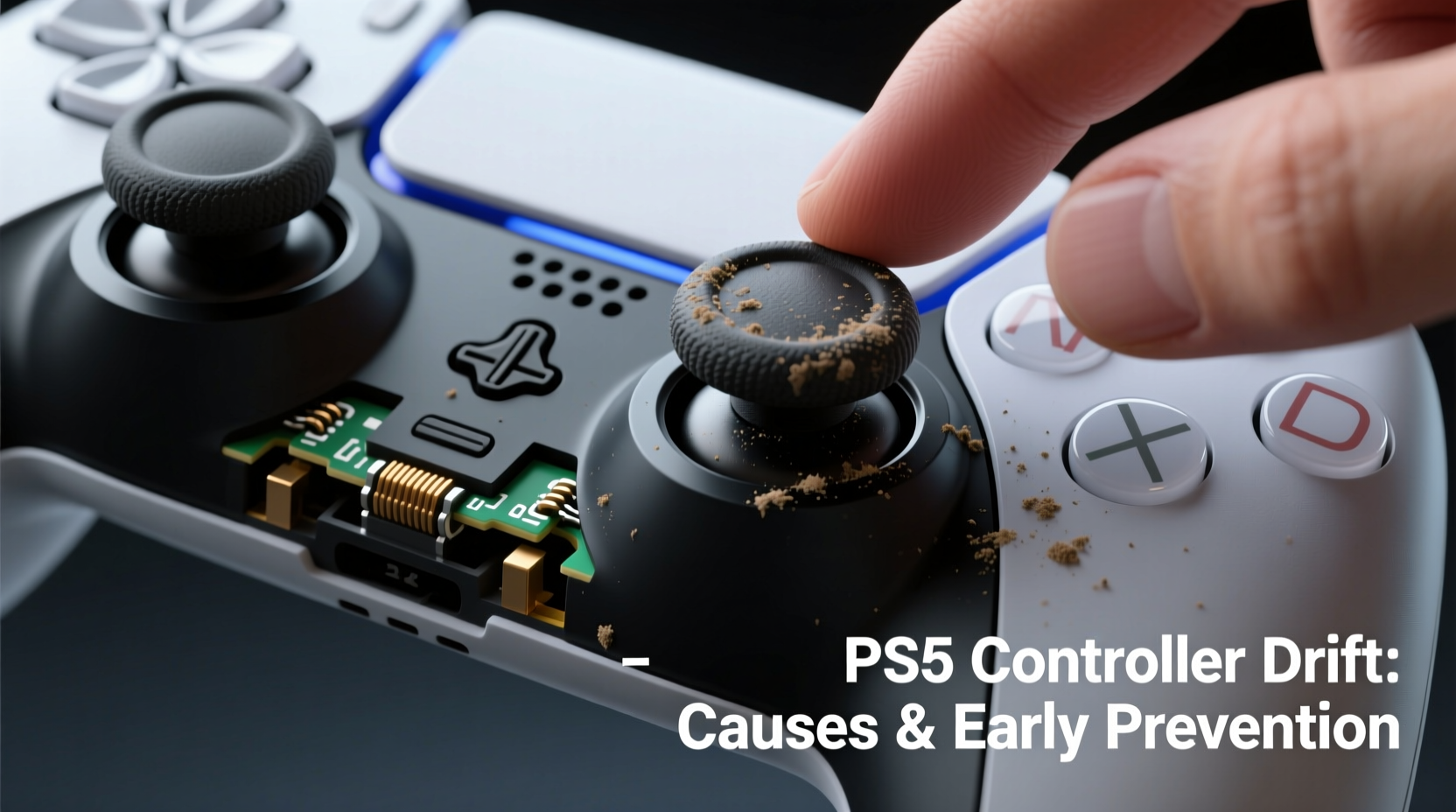
Analog stick drift occurs when the controller registers movement even when no input is being made. This is typically due to physical wear inside the analog stick mechanism, but several factors contribute to its onset:
- Wear and tear of internal components: The potentiometers (small variable resistors) inside the analog sticks degrade with repeated motion. Over time, they lose accuracy, sending incorrect signals to the console.
- Dust, debris, and skin oils: Tiny particles from hands, pockets, or environments can enter the analog stick housing, interfering with sensor readings and causing false inputs.
- Overuse and aggressive play: Gamers who frequently use quick flicks, rapid turns, or press hard on the sticks accelerate mechanical fatigue.
- Poor storage conditions: Leaving controllers in hot, humid, or dusty areas increases the risk of internal corrosion and material breakdown.
- Manufacturing variances: While Sony uses high-quality materials, minor inconsistencies in production can lead some units to fail earlier than others.
According to iFixit’s teardown analysis, “The DualSense uses Hall-effect sensors in theory, which should reduce wear—but real-world testing shows many units still rely on resistive elements prone to degradation.” This hybrid approach means longevity varies between individual controllers.
“Controller drift isn’t inevitable—it’s often the result of cumulative micro-damage we don’t notice until it’s too late.” — Mark Tran, Electronics Repair Technician with 12 years of experience in gaming hardware
How to Spot Early Signs of Drift
Catching drift before it becomes disruptive is key. Many players ignore initial symptoms, assuming it’s a software glitch or temporary issue. But early detection allows for timely cleaning or adjustment before irreversible damage sets in.
Here are subtle warning signs to watch for:
- Character slowly moving forward in menus or idle states
- Camera drifting slightly during aiming, especially in first-person shooters
- Sticks not returning fully to center after release
- Inconsistent sensitivity—feeling “sticky” or unresponsive at certain angles
- Vibrations or resistance when rotating the stick
To perform a manual test, open a game with free camera control (like Spider-Man: Miles Morales) or use the PlayStation home menu. Place the controller flat on a table and observe if the on-screen cursor or character moves without touch. Even a small deviation indicates potential drift.
Step-by-Step Guide to Preventing Drift Early
Prevention starts the moment you unbox your controller. These steps form a proactive maintenance routine that combats the primary causes of drift:
- Wash your hands before playing: Oils, sweat, and dirt transfer from fingers to the analog stick base. Clean hands reduce grime buildup inside the housing.
- Avoid excessive force: Press gently on sticks. Modern controllers don’t require heavy pressure—over-pressing accelerates potentiometer wear.
- Use short, controlled motions: Instead of wide sweeps, train yourself to make precise inputs. This reduces rotational stress on internal components.
- Clean every 4–6 weeks: Use a cotton swab lightly dampened with isopropyl alcohol (70%) to clean around the base of each analog stick. Let it dry completely before use.
- Store properly: Keep the controller in a dust-free area, ideally upright in a charging dock or enclosed shelf. Avoid leaving it on carpeted surfaces where lint accumulates.
- Limit exposure to extreme temperatures: Don’t leave the controller near heaters, windows, or in direct sunlight. Heat warps plastic and affects electronic tolerances.
- Rotate controllers if possible: If you have multiple DualSense controllers, alternate usage weekly to distribute wear evenly.
This routine may seem meticulous, but consistent light care takes less than five minutes a month and pays off in extended hardware life.
Do’s and Don’ts of DualSense Maintenance
| Do’s | Don’ts |
|---|---|
| Wipe down the controller weekly with a dry microfiber cloth | Use compressed air directly into the analog stick—this can push debris deeper |
| Charge using official or MFi-certified cables | Play while charging if it causes overheating or cable strain |
| Enable auto-sleep mode to reduce idle power cycles | Drop or toss the controller—even small impacts misalign internal parts |
| Use rubber caps only if they fit perfectly without adding pressure | Apply lubricants or sprays inside the stick mechanism—they attract more dust |
| Recalibrate sticks if you notice lag or offset | Disassemble unless experienced—tiny screws and ribbon cables are easily damaged |
Mini Case Study: How One Gamer Extended His Controller’s Life by 18 Months
Jamal R., a competitive Call of Duty player from Austin, noticed faint left-stick drift after eight months of daily use. Rather than replacing the controller immediately, he researched cleaning methods and began a strict maintenance schedule. He cleaned the analog sticks biweekly, stopped using rubber grip covers (which trapped sweat), and started washing his hands before sessions. He also reduced sensitivity settings to minimize wrist flicks during gameplay.
After three months, the drift stabilized and never worsened. Two years later, his original DualSense remains functional with only minor cosmetic wear. “I probably saved $70,” he said. “And I didn’t have to break in a new controller mid-season.”
His case illustrates that early intervention—before total failure—is often enough to preserve performance.
When Cleaning Isn’t Enough: Repair vs. Replacement
Sometimes, despite best efforts, drift progresses. At that point, you face a decision: repair or replace?
Official Sony repairs cost around $50–$70, depending on region and warranty status. Out-of-warranty fixes may require full controller replacement. Third-party repair shops offer analog stick replacements for $30–$45, but quality varies. DIY kits are available online for under $20, including replacement sticks and tools, but require technical confidence.
If you’re comfortable with precision work, replacing the analog modules is feasible. However, improper installation can damage PCB contacts or void any remaining warranty.
For most users, professional repair or replacement makes sense only if the controller is heavily used. Casual players might opt for a new unit to avoid downtime.
Checklist: Your Anti-Drift Prevention Plan
Use this checklist monthly to keep your DualSense in top condition:
- ✅ Wash hands before extended gaming sessions
- ✅ Inspect analog sticks for wobble or resistance
- ✅ Clean around stick bases with alcohol swab
- ✅ Run calibration test in system settings
- ✅ Check for firmware updates (Settings > System > System Software)
- ✅ Store controller in a cool, dry place away from pets and food
- ✅ Rotate between multiple controllers if available
Mark completed items and revisit the list regularly. Consistency is more effective than occasional deep cleaning.
Frequently Asked Questions
Can updating my PS5 fix controller drift?
No. Firmware updates improve functionality and compatibility but cannot repair physical wear. Drift is a hardware issue, not a software bug. However, updates may include better diagnostics or recalibration options.
Are third-party PS5 controllers better at avoiding drift?
Some premium third-party controllers (like those from SCUF or Razer) use higher-grade hall-effect sensors, which are contactless and less prone to wear. However, they cost significantly more and may lack native features like adaptive triggers. Budget third-party options often have worse longevity.
Does using a controller cover help prevent drift?
Not necessarily. Silicone or rubber caps can trap moisture and restrict stick movement, increasing friction. If used, choose breathable, low-profile designs and remove them periodically for cleaning.
Conclusion: Protect Your Investment with Smart Habits
The PS5 DualSense is an engineering marvel, blending responsive controls with immersive feedback. But like any precision device, it demands care. Analog stick drift isn’t a flaw—it’s a consequence of usage patterns and environmental neglect. By understanding how drift develops and acting early, you can enjoy reliable performance for years.
Start today: clean your controller, check for drift, and commit to a simple monthly routine. Small habits compound into long-term savings and uninterrupted gameplay. Whether you're a casual player or a dedicated enthusiast, your controller deserves the same attention as the games you love.




 浙公网安备
33010002000092号
浙公网安备
33010002000092号 浙B2-20120091-4
Comments
No comments yet. Why don't you start the discussion?