
Crying is a natural emotional response—whether triggered by stress, sadness, joy, or frustration. While shedding tears can be cathartic, the aftermath often includes swollen, puffy eyes that make you feel self-conscious. Understanding why this happens and knowing how to respond effectively can help minimize discomfort and restore your appearance faster.
Puffy eyes after crying are common and usually temporary, but they result from a combination of physiological processes involving fluid retention, blood vessel dilation, and inflammation. The good news is that with the right techniques, you can reduce swelling in as little as 10–20 minutes. This guide explains the science behind post-cry puffiness and provides practical, dermatologist-approved strategies for relief.
The Science Behind Puffy Eyes After Crying
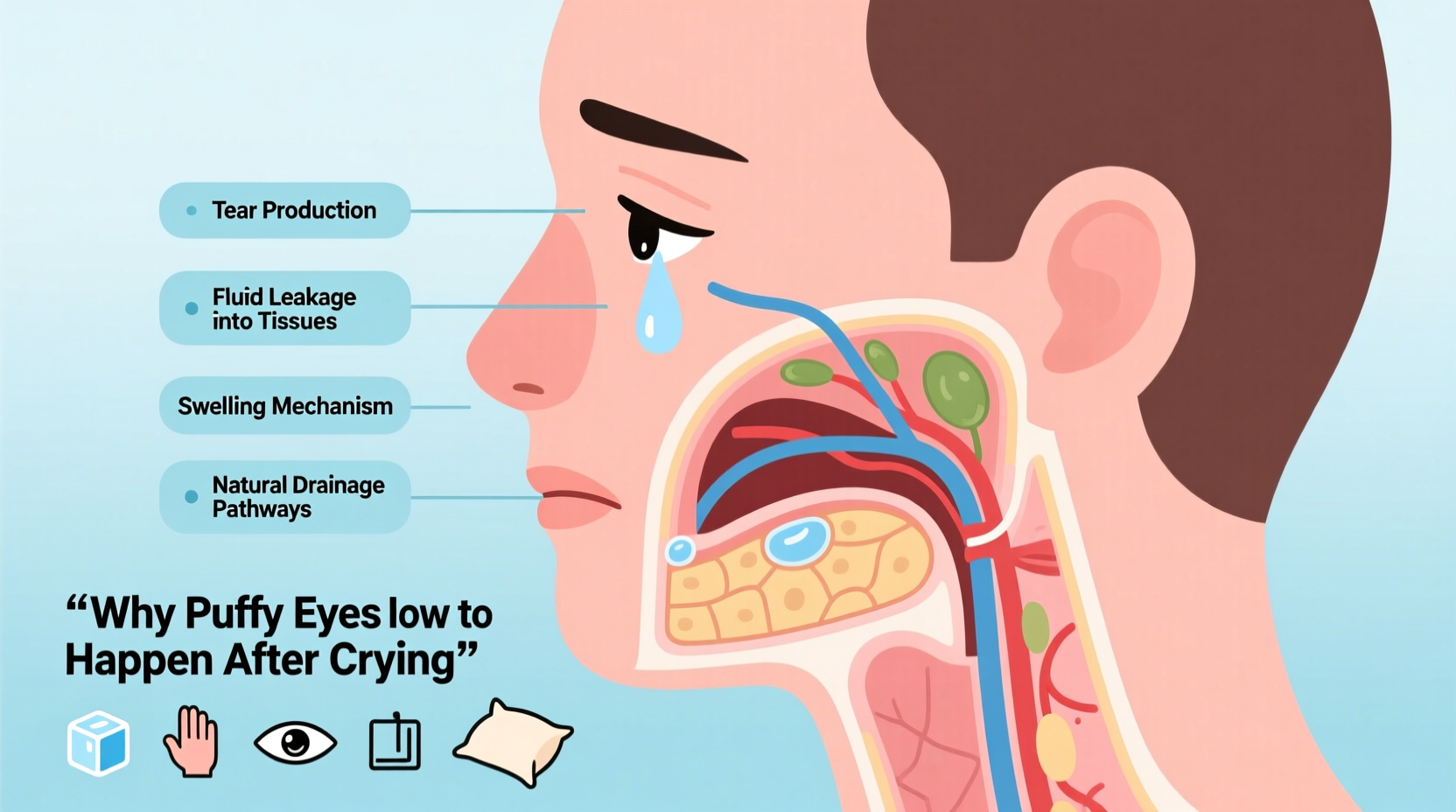
When you cry, your lacrimal glands produce more tears than your tear ducts can drain. Excess fluid accumulates around the eyes, especially in the delicate under-eye area where skin is thin and loosely attached to underlying tissues. This leads to visible puffiness.
Beyond fluid buildup, emotional crying triggers several physiological responses:
- Blood vessel dilation: Stress hormones like cortisol increase blood flow to the face, causing capillaries around the eyes to expand and leak small amounts of fluid into surrounding tissue.
- Sodium imbalance: Tears contain salt, and as they evaporate, residual sodium draws moisture into the skin through osmosis, worsening swelling.
- Rubbing the eyes: Physical friction during crying increases irritation and further disrupts microcirculation, exacerbating inflammation.
Dermatologists emphasize that while occasional puffiness is harmless, repeated episodes without proper care can weaken the skin’s elasticity over time, potentially contributing to chronic under-eye bags.
“Crying causes transient edema due to increased vascular permeability and lymphatic congestion. Cold therapy and gentle massage are among the most effective immediate interventions.” — Dr. Lena Torres, Board-Certified Dermatologist
Immediate Steps to Reduce Swelling After Crying
Acting quickly can significantly shorten recovery time. Begin treatment as soon as possible after crying for optimal results.
Step-by-Step Guide: First 30 Minutes Post-Crying
- Stop rubbing your eyes: Rubbing aggravates inflammation. Gently pat dry with a soft cotton cloth instead.
- Rinse with cool water: Wash away salty tear residue to prevent continued fluid retention.
- Apply cold compression: Use chilled spoons, a cold washcloth, or ice wrapped in fabric for 5–10 minutes per session.
- Elevate your head: Lie back with your head slightly raised to encourage fluid drainage via gravity.
- Stay hydrated: Drinking water helps flush excess sodium and reduces systemic fluid retention.
Effective Home Remedies Backed by Science
Many household items offer safe, accessible relief. These remedies work by constricting blood vessels, improving circulation, or drawing out excess fluid.
| Remedy | How It Works | Application Time | Precautions |
|---|---|---|---|
| Cold compress (ice pack or wet cloth) | Vasoconstriction reduces blood flow and swelling | 10 minutes on, 10 off (repeat twice) | Never apply ice directly—wrap in cloth |
| Cucumber slices | Cucurbitacin has anti-inflammatory properties; cooling effect soothes skin | 10–15 minutes | Use fresh, refrigerated slices |
| Tea bags (green or black) | Caffeine tightens skin; tannins reduce swelling | 10 minutes (chilled after steeping) | Avoid if allergic to caffeine or tea components |
| Potato slices | Enzymes like catecholase may lighten and reduce puffiness | 10–15 minutes | Do not use if you have sensitive or reactive skin |
Common Mistakes That Make Puffiness Worse
Some well-intentioned actions can actually prolong swelling. Avoid these pitfalls:
- Using hot water on the face: Heat dilates blood vessels, increasing fluid leakage and redness.
- Applying heavy creams immediately: Thick products can trap heat and irritants. Wait until swelling subsides.
- Sleeping flat on your back: Lying horizontally slows lymphatic drainage. Elevate your head with an extra pillow.
- Consuming salty foods or drinks: Sodium promotes water retention—opt for herbal teas or water instead.
Mini Case Study: Recovery After an Emotional Episode
Sophia, a 28-year-old marketing professional, experienced intense stress before a major presentation, leading to prolonged crying. Her eyes were noticeably swollen, and she had a client meeting in two hours.
She followed a structured approach:
- Rinsed her face with cool water to remove salt residue.
- Applied chilled green tea bags for 10 minutes while lying down with her head elevated.
- Drank a glass of water with lemon to support hydration and circulation.
- Used a facial roller for 3 minutes to stimulate lymphatic drainage.
Within 45 minutes, the swelling reduced significantly. By the time of her meeting, only slight redness remained, which she covered with a light concealer. She reported feeling more confident and physically relieved.
Long-Term Prevention and Skin Care Tips
If you frequently experience puffy eyes after emotional episodes, consider integrating preventive habits into your routine:
- Use a gentle eye cream containing caffeine, niacinamide, or peptides to strengthen capillaries and improve microcirculation.
- Limit evening salt intake to reduce morning and stress-related puffiness.
- Practice facial massage or gua sha techniques 2–3 times weekly to boost lymphatic flow.
- Get consistent sleep (7–8 hours) to support skin repair and fluid balance.
Checklist: Quick Relief Protocol
- ✅ Stop rubbing your eyes
- ✅ Rinse face with cool water
- ✅ Apply cold compress for 10 minutes
- ✅ Elevate head while resting
- ✅ Hydrate with water or herbal tea
- ✅ Use chilled tea bags or cucumber slices
- ✅ Avoid salt, alcohol, and screen strain for 1–2 hours
Frequently Asked Questions
How long do puffy eyes last after crying?
Most cases resolve within 1–2 hours with proper care. Without intervention, swelling may persist up to 24 hours, especially if you’ve cried intensely or rubbed your eyes.
Can lack of sleep worsen post-cry puffiness?
Yes. Poor sleep compromises skin barrier function and weakens lymphatic drainage, making the under-eye area more prone to fluid accumulation. Combining crying with sleep deprivation amplifies puffiness.
Is it safe to use eye masks or serums after crying?
Yes, but wait until the initial swelling starts to go down. Use lightweight, non-comedogenic formulas with soothing ingredients like aloe vera, centella asiatica, or hyaluronic acid.
Conclusion: Take Control of Post-Cry Swelling
Puffy eyes after crying are a normal physical reaction, not a flaw. With knowledge and preparation, you can manage them effectively and regain comfort quickly. The key lies in acting promptly with cooling techniques, avoiding aggravating behaviors, and supporting your skin’s resilience over time.
Keep a small \"de-puff kit\" in your bathroom—a chilled spoon, tea bags, and a gentle eye gel—so you're ready when emotions run high. Your skin will thank you, and you’ll feel more in control even during vulnerable moments.




 浙公网安备
33010002000092号
浙公网安备
33010002000092号 浙B2-20120091-4
Comments
No comments yet. Why don't you start the discussion?