
Waking up with swollen or puffy eyes is a common concern that affects people of all ages. While it’s usually not a serious medical issue, persistent puffiness can impact appearance, confidence, and even indicate underlying lifestyle imbalances. Understanding why fluid accumulates under the eyes—and what you can do about it—empowers you to take control of your morning routine and eye health.
The skin around the eyes is the thinnest on the body, making it especially vulnerable to fluid retention, fatigue, allergies, and aging. Puffiness occurs when excess fluid collects in the tissues surrounding the eyes, often exacerbated by habits, environment, and genetics. The good news: most cases are preventable or manageable with consistent care.
Why Do Eyes Become Puffy in the Morning?
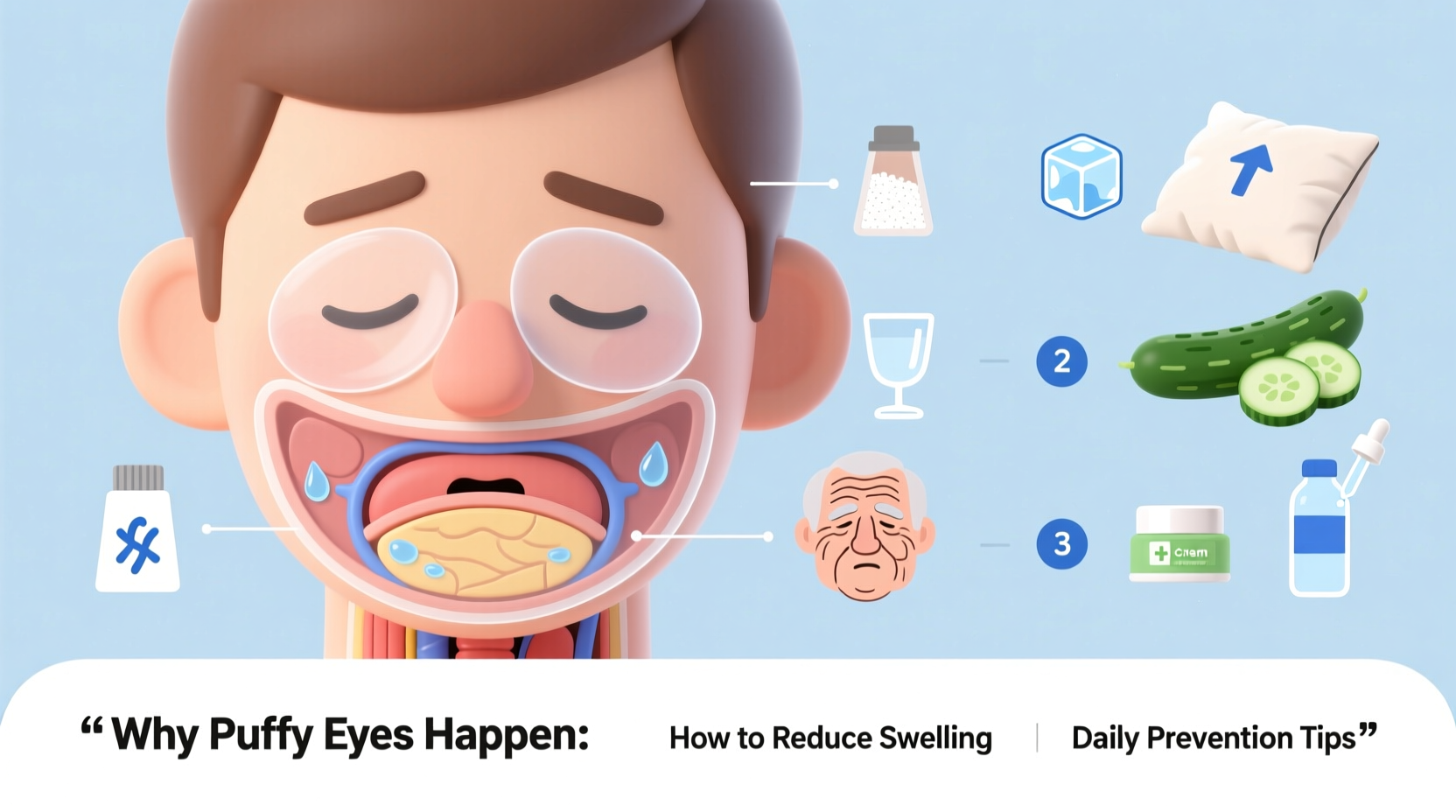
Puffy eyes upon waking are typically caused by temporary fluid buildup due to gravity and circadian rhythms. During sleep, bodily fluids redistribute, and because the eyelid area has minimal muscle and fat support, fluid tends to pool there overnight.
Several key factors contribute to this accumulation:
- High sodium intake: Consuming salty foods before bed increases water retention, leading to visible swelling.
- Lying flat for extended periods: Without elevation, fluid naturally settles in the face and under-eye region.
- Allergies: Seasonal or environmental allergens trigger histamine release, causing inflammation and puffiness.
- Aging: As collagen and elastin decline, fat pads beneath the eyes may shift forward, creating a chronically puffy appearance.
- Dehydration: Paradoxically, not drinking enough water prompts the body to retain fluid, including under the eyes.
- Lack of sleep or poor sleep quality: Disrupted REM cycles impair lymphatic drainage and increase cortisol, promoting inflammation.
“Morning eye puffiness is rarely dangerous, but it’s often a signal from your body that something in your routine needs adjustment—whether it’s sleep, diet, or hydration.” — Dr. Lena Torres, Board-Certified Dermatologist
Effective Ways to Reduce Eye Swelling Fast
If you wake up with noticeable puffiness, several immediate strategies can help drain excess fluid and tighten the skin.
Apply Cold Therapy
Cold constricts blood vessels and reduces circulation to the area, minimizing swelling. Use chilled spoons, refrigerated jade rollers, or cold compresses for 5–10 minutes.
Use Caffeine-Based Eye Creams
Caffeine is a vasoconstrictor that helps shrink dilated capillaries and improve microcirculation. Look for serums containing caffeine, hyaluronic acid, and peptides for best results.
Elevate Your Head While Sleeping
Sleeping with an extra pillow prevents fluid from pooling in the lower eyelids. Even a slight incline (about 20 degrees) can make a significant difference over time.
Stay Hydrated
Drink a glass of water immediately upon waking to kickstart kidney function and flush out retained fluids. Aim for at least 2 liters daily to maintain balance.
Step-by-Step Morning Routine to De-Puff Eyes
Follow this simple 7-minute protocol to visibly reduce swelling and refresh tired eyes:
- Hydrate (1 min): Drink 8 oz of room-temperature water with a squeeze of lemon to stimulate detoxification.
- Cleanse gently (2 min): Wash your face with a mild cleanser to remove oils and residues without irritating delicate skin.
- Apply cold compress (5 min): Use chilled spoons or a damp cloth stored in the fridge. Hold over closed eyes, moving slightly outward to encourage lymphatic drainage.
- Tap on eye serum (1 min): Apply a lightweight, caffeine-infused product using your ring finger. Gently tap—never rub—from inner to outer corners.
- Massage lymph nodes (2 min): Use light pressure to massage just below the cheekbones and behind the ears to promote fluid movement away from the eyes.
Long-Term Prevention Strategies
To minimize recurring puffiness, adopt sustainable habits that support overall skin and systemic health.
| Habit | Benefit | How to Implement |
|---|---|---|
| Reduce evening salt intake | Decreases overnight water retention | Avoid processed snacks and restaurant meals after 6 PM |
| Sleep on your back with elevated head | Prevents gravitational fluid pooling | Use a wedge pillow or add a second standard pillow |
| Manage allergies | Reduces chronic inflammation | Take antihistamines if needed; keep bedroom dust-free |
| Limit alcohol and caffeine late in day | Improves sleep quality and hydration | Cut off caffeine after 2 PM, alcohol after dinner |
| Wear hypoallergenic bedding | Minimizes irritation and allergic response | Switch to cotton sheets and fragrance-free detergent |
Mini Case Study: Sarah’s Transformation in 4 Weeks
Sarah, a 34-year-old marketing executive, struggled with persistent morning puffiness despite getting seven hours of sleep. She frequently ate takeout dinners high in sodium and slept flat on her stomach. After consulting a dermatologist, she made three key changes: switched to low-sodium meals by 7 PM, began using a supportive neck pillow to elevate her head, and started applying a caffeine-based eye gel nightly. Within three weeks, her under-eye swelling reduced dramatically. Her coworkers noticed she looked “more awake,” and she reported feeling more confident during early meetings.
Common Mistakes That Worsen Puffiness
Even with good intentions, certain behaviors can counteract your efforts:
- Rubbing or tugging at puffy eyes, which damages fragile capillaries.
- Using heavy creams or oils too close to bedtime, potentially clogging lymph flow.
- Ignoring allergy symptoms like itchy eyes or nasal congestion.
- Skipping sunscreen—UV exposure accelerates skin laxity, worsening sagging.
When to See a Doctor
Most puffiness resolves within hours and responds well to home care. However, seek medical advice if you experience:
- Swelling that worsens or persists beyond midday
- Pain, redness, or vision changes
- Signs of infection such as crusting or discharge
- Sudden puffiness accompanied by facial swelling or breathing issues (possible allergic reaction)
Chronic puffiness may indicate thyroid disorders, kidney dysfunction, or severe allergies requiring professional diagnosis.
FAQ
Can lack of sleep cause puffy eyes?
Yes. Poor or insufficient sleep disrupts the body’s ability to regulate fluids and repair tissue. It also increases cortisol levels, contributing to inflammation and water retention around the eyes.
Are puffy eyes the same as dark circles?
No. Puffiness refers to swelling or bulging under the eyes, while dark circles are discoloration caused by thin skin, shadowing from volume loss, or pigmentation. They often occur together but require different treatments.
Do eye masks really work for reducing puffiness?
Certain types do. Cooling gel masks, especially those stored in the refrigerator, provide temporary relief by constricting blood vessels. Hydrogel patches with ingredients like cucumber, green tea, or peptides offer both cooling and active benefits.
Conclusion
Morning eye puffiness is a manageable condition influenced by diet, sleep posture, hydration, and skincare habits. By understanding the root causes and implementing targeted solutions—both immediate and long-term—you can significantly reduce swelling and maintain a refreshed appearance. Small adjustments, like lowering salt intake or elevating your head at night, yield lasting results. Consistency matters more than quick fixes.




 浙公网安备
33010002000092号
浙公网安备
33010002000092号 浙B2-20120091-4
Comments
No comments yet. Why don't you start the discussion?