
In a world where athletic apparel floods the market with flashy designs and short-lived trends, finding a jersey that balances peak performance with enduring style is more important than ever. Whether you're a weekend warrior, a competitive athlete, or someone who values sport-inspired fashion, your jersey should do more than just look good—it should enhance your movement, withstand repeated use, and maintain its integrity over time. True quality isn’t measured by a logo or price tag alone, but by fabric engineering, construction precision, and thoughtful design.
The best jerseys merge innovation with practicality: moisture-wicking materials, ergonomic seams, colorfast dyes, and reinforced stitching all contribute to longevity and comfort. This guide dives into what sets truly durable, high-performing jerseys apart—and how to identify them before making a purchase.
What Defines a High-Quality Performance Jersey?
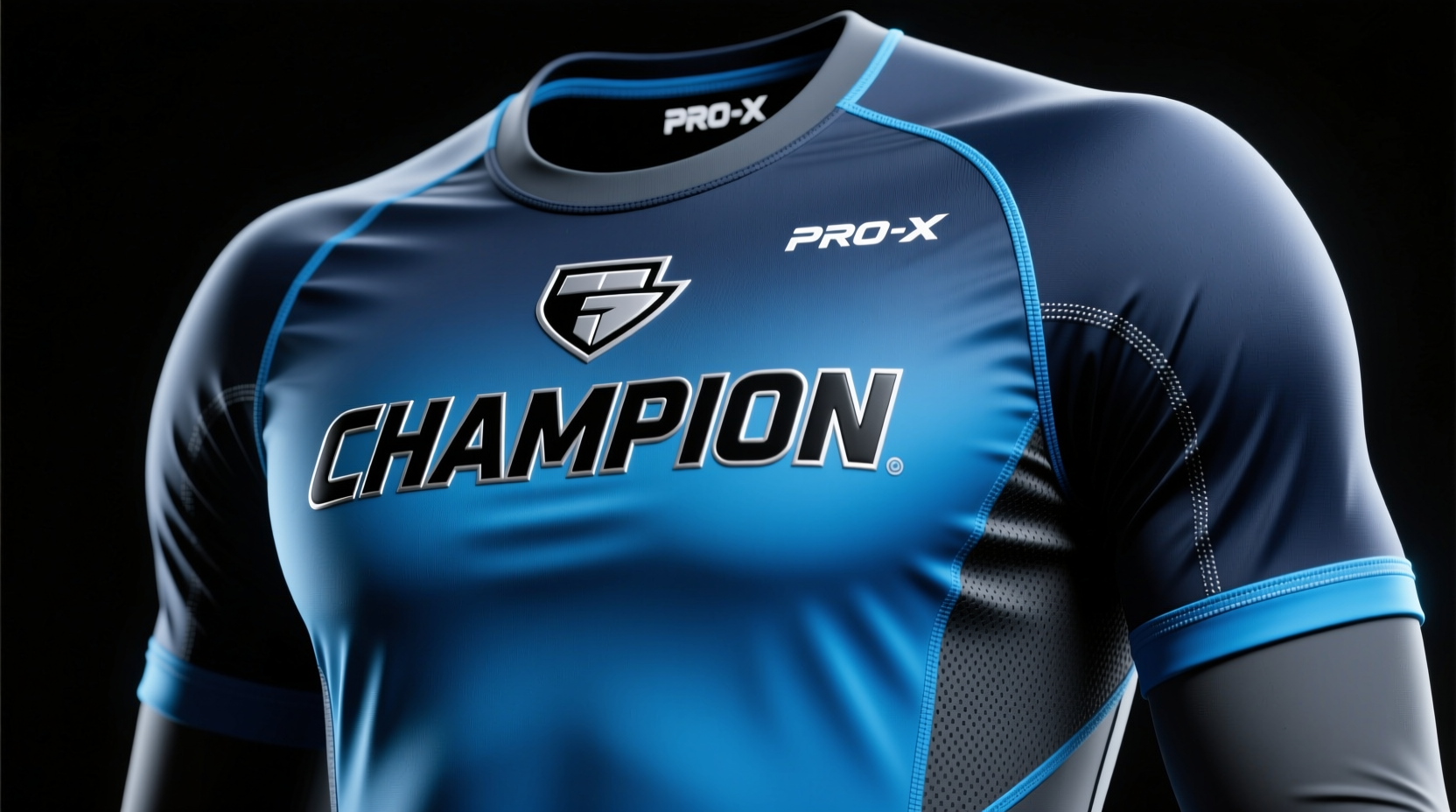
A top-tier jersey goes beyond aesthetics. It’s built with purpose-driven materials and craftsmanship that support physical activity while resisting wear. Key attributes include:
- Advanced Fabric Technology: Look for blends like polyester-spandex or nylon-elastane that offer stretch, breathability, and rapid moisture transfer.
- Flatlock or Seamless Construction: Reduces chafing and increases flexibility during motion.
- UV Protection & Fade Resistance: Essential for outdoor sports; prevents sun damage and color degradation.
- Raglan Sleeves or Articulated Patterns: Enhance shoulder mobility and reduce restriction.
- Durable Yarns and Tight Knit Weaves: Resist pilling and abrasion from equipment or friction.
These features aren’t luxuries—they’re necessities for anyone serious about performance and long-term value.
Performance Meets Longevity: How Top Brands Engineer for Both
Leading sportswear manufacturers invest heavily in research to balance function and lifespan. For example, Nike’s Dri-FIT technology uses microfiber polyester to pull sweat away from the skin, while Adidas’ Climacool line integrates ventilation zones for temperature regulation. These systems are not only effective during workouts—they also resist odor retention and bacterial buildup when properly cared for.
But innovation doesn’t stop at fabric. Construction techniques matter deeply. Some premium jerseys now feature bonded seams instead of traditional stitching, eliminating weak points prone to unraveling. Others use recycled yarns without sacrificing tensile strength—proof that sustainability and performance can coexist.
“Jerseys today are engineered like second skins. The right combination of fabric elasticity, thermal regulation, and structural reinforcement can extend usable life by 3–5 years with proper care.” — Dr. Lena Torres, Sportswear Materials Scientist, University of Manchester
Do’s and Don’ts When Choosing a Lasting Jersey
| Do’s | Don’ts |
|---|---|
| Choose jerseys with double-stitched hems and reinforced collar bands | Avoid single-thread stitching around necklines and armholes |
| Opt for anti-odor treatments (e.g., Polygiene®) if used frequently | Don’t buy oversized fits expecting them to ‘break in’—poor initial fit leads to faster stress wear |
| Look for independent lab test results on pilling resistance and wash durability | Avoid cotton-heavy blends for active use—they retain moisture and shrink over time |
| Select dark or neutral colors for reduced visibility of stains and fading | Never dry clean performance jerseys unless specified—chemical solvents degrade technical coatings |
Real-World Example: The Weekend Runner’s Upgrade
Take James, a recreational trail runner who cycled through four budget-friendly running jerseys in 18 months. Each began pilling under the arms after six washes, lost shape after heavy sweating, and faded noticeably after summer races. Frustrated, he invested $85 in a premium model featuring seamless knitting, antimicrobial treatment, and UV-blocking yarns.
Two years later, the jersey remains his go-to race-day choice. Despite 70+ wears and machine washes, it retains its color, fit, and wicking ability. He notes, “It cost more upfront, but I’ve saved money and closet space. Plus, I don’t worry about looking frayed mid-race.” His experience underscores a simple truth: long-term value often starts with a smarter initial investment.
Step-by-Step Guide to Maintaining Your Jersey’s Quality
Purchasing a high-quality jersey is only half the battle. Proper maintenance ensures it performs well and looks sharp for years. Follow this routine:
- Wash After Every Use: Sweat contains salts and acids that break down fibers over time. Delayed washing accelerates deterioration.
- Turn Inside Out Before Washing: Protects outer surface from abrasion and preserves prints or reflective details.
- Use Cold Water and Mild Detergent: Hot water damages elastic fibers and causes shrinkage. Avoid fabric softeners—they clog moisture-wicking pores.
- Machine Wash Gently or Hand Wash: Select delicate cycle with low spin. Place in a mesh laundry bag to reduce friction.
- Air Dry Flat or Hang Immediately: Never tumble dry. Heat degrades spandex and causes curling at edges.
- Store Clean and Unfolded: Fold neatly or hang on padded hangers to prevent crease damage. Keep away from direct sunlight.
Checklist: Buying a Jersey That Performs and Lasts
Before purchasing, ask yourself these questions:
- ✅ Is the fabric blend primarily synthetic (polyester, nylon, spandex)?
- ✅ Are critical areas (shoulders, sides, underarms) reinforced or strategically ventilated?
- ✅ Does the brand provide transparency about material sourcing and testing?
- ✅ Are seams flatlocked or bonded to prevent irritation and tearing?
- ✅ Can I verify customer reviews focused on long-term wear (6+ months)?
- ✅ Is the care label clear and compatible with my routine (e.g., machine washable)?
- ✅ Does it come with warranties or repair programs for manufacturing defects?
This checklist helps filter out trend-driven pieces and focus on garments designed for real-world endurance.
Frequently Asked Questions
How can I tell if a jersey is truly durable before buying?
Examine product close-ups for stitch density and seam finishing. Reputable brands often publish fabric specs including grams per square meter (GSM), which indicates thickness and resilience. Higher GSM (150–200) generally means sturdier fabric. Also, read user reviews mentioning \"still going strong after a year\" or similar feedback.
Are expensive jerseys worth the investment?
Not all expensive jerseys are superior, but many justify their cost through superior materials, fit consistency, and extended warranty support. If you wear jerseys multiple times per week, spending $70–$100 on one that lasts 3+ years is more economical than replacing $30 jerseys annually.
Can I repair a jersey instead of replacing it?
Yes—minor tears or loose seams can often be fixed with athletic fabric glue or professional reweaving services. Some brands like Castelli and Pearl Izumi offer repair initiatives. Patching extends life and reduces environmental impact.
Final Thoughts: Style Shouldn’t Be Sacrificed for Substance
The finest jerseys succeed because they refuse to compromise. They deliver sleek silhouettes that flatter the body while enabling unrestricted motion. Their colors remain vibrant, their cuts stay true, and their performance adapts to evolving demands. Style that lasts isn’t about chasing trends—it’s about choosing pieces grounded in science, tested through repetition, and trusted by athletes across seasons.
When you invest in a jersey built for both performance and longevity, you’re not just buying clothing—you’re equipping yourself for consistent excellence. Choose wisely, care intentionally, and let your gear reflect the dedication behind every stride, sprint, and finish line.




 浙公网安备
33010002000092号
浙公网安备
33010002000092号 浙B2-20120091-4
Comments
No comments yet. Why don't you start the discussion?