
Fishing from the shore in dynamic surf zones demands more than just patience—it requires precision, durability, and above all, the right gear. Among the most critical components of a successful surf fishing setup is the lure. A high-quality surf lure must withstand pounding waves, mimic natural prey convincingly, and travel far enough to reach feeding zones beyond the breakers. Choosing the best lures isn’t about flashy colors alone; it’s about understanding hydrodynamics, material resilience, and predator behavior. With the right selection, anglers gain not only casting distance but also the confidence that their presentation will trigger strikes.
Key Factors in Selecting High-Performance Surf Lures
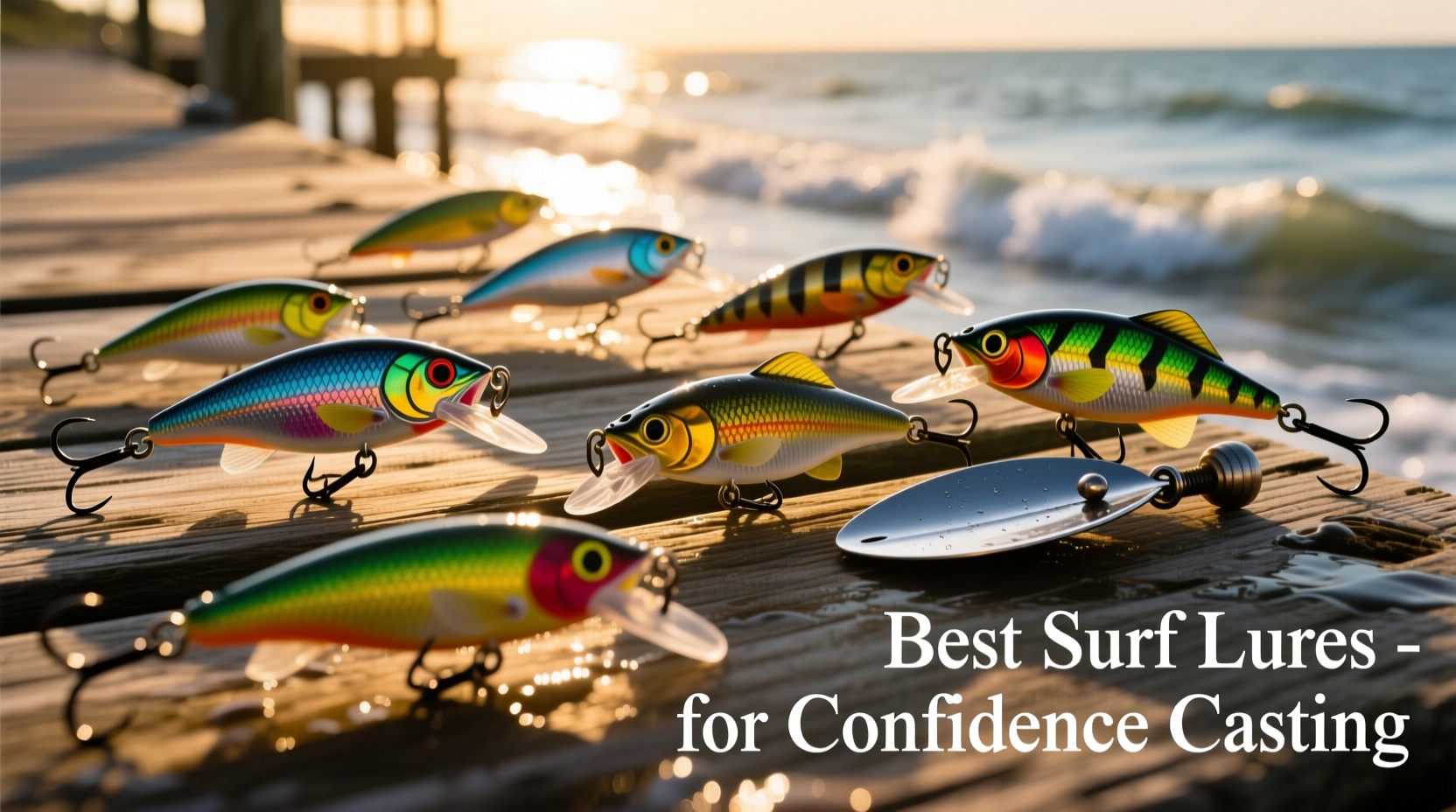
Not all lures are built for the rigors of surf fishing. The constant exposure to saltwater, sand, and impact with rocks or reefs means only robust, well-designed lures survive repeated use. Three primary factors determine whether a lure is suitable for surf conditions: weight and casting distance, action and movement in turbulent water, and durability under stress.
Heavier lures generally fly farther, which is essential when trying to place offerings beyond the crashing waves. However, excessive weight can compromise maneuverability. The ideal balance lies in streamlined designs with internal weighting systems that shift during retrieval to enhance stability in choppy currents.
Lure action—the way it moves through the water—is equally important. In the surf, visibility is often low due to turbidity. Predators rely heavily on vibration and erratic motion to detect prey. Lures with built-in rattles, wobbling tails, or rolling actions create sensory cues that cut through the noise of breaking waves.
Top 5 Proven Surf Lures and Their Best Applications
Certain lures have earned reputations across coastlines for consistent performance. These aren’t trends—they’re time-tested tools trusted by guides and tournament anglers alike.
- Mirrolure Mirrodine – Known for its subtle side-to-side darting motion, this suspending minnow excels in clear water where finesse matters. Ideal for striped bass and bluefish.
- Yo-Zuri Crystal Minnow 19SP – Its holographic finish reflects light even in murky surf, while the weighted belly ensures deep dives without sacrificing casting range.
- Du-Bro Pencil Popper – A topwater favorite during early morning or dusk runs. Walk-the-dog techniques with this popper draw explosive surface strikes from aggressive species like snook and seatrout.
- Savage Gear 3D Sandeel – Designed to replicate the undulating swim of sand eels, this soft-plastic hybrid combines realism with long-cast capability. Works exceptionally well along sandy beaches.
- Acme Kastmaster Spoon – While technically metalware, this chrome spoon cuts through strong currents and mimics fleeing baitfish. Effective year-round, especially in colder months when fish key on silvery profiles.
Comparison Table: Performance Across Conditions
| Lure Model | Best For | Cast Distance | Durability Rating (1–5) | Retrieval Style |
|---|---|---|---|---|
| Mirrolure Mirrodine | Clear surf, moderate swell | Medium-Far | 4 | Stop-and-go twitch |
| Yo-Zuri Crystal Minnow 19SP | Murky water, deeper troughs | Far | 5 | Steady retrieve |
| Du-Bro Pencil Popper | Dawn/dusk topwater action | Medium | 3 | Walk-the-dog |
| Savage Gear 3D Sandeel | Sandy flats, small baitfish presence | Far | 4 | Slow roll or lift-and-fall |
| Acme Kastmaster (1/2 oz) | Strong current, cold water | Very Far | 5 | Jigging or steady pull |
Expert Insight: What Makes a Lure Work in Real Conditions?
“Out in the surf, you don’t get second chances. The lure has to perform the first time—on the cast, in the water, and during the retrieve. I look for three things: aerodynamic shape, balanced weight distribution, and realistic action under tension. If it fails any one of those, it stays in the box.” — Captain Rafael Torres, Northeast Saltwater Guide with 22 years of charter experience
Torres emphasizes that many anglers over-prioritize color. While visibility plays a role, he notes that sound and vibration are often more effective triggers in turbulent surf. “A rattle or a thumping tail can be heard before it’s seen,” he explains. This insight underscores why lures like the Yo-Zuri Crystal Minnow, equipped with internal tungsten beads, consistently outperform silent models during offshore wind events.
Step-by-Step Guide: Optimizing Your Surf Lure Setup
Even the best lure won’t deliver results if paired with poor technique or mismatched tackle. Follow this sequence to maximize effectiveness:
- Assess Conditions: Note tide stage, wave height, water clarity, and wind direction. These dictate depth and lure speed.
- Select Rod & Line: Use a 9–11 foot surf rod rated for 1–4 oz lures with braided line (20–30 lb test) for sensitivity and casting power.
- Choose Lure Based on Target Zone: Shorter casts? Use a popper or shallow diver. Need distance? Opt for heavy pencils or spoons.
- Rig Securely: Attach via a heavy-duty snap or direct knot (e.g., improved clinch). Check treble hooks for sharpness and alignment.
- Casting Technique: Use an overhead pendulum cast for maximum distance, releasing at hip level to avoid skyhooks.
- Retrieve Strategy: Start slow. Let the lure sink if diving. Vary rhythm—pause, twitch, speed up—to find what triggers reaction strikes.
- Post-Session Care: Rinse lures in fresh water, inspect for dings, and store in a divided tray to prevent tangling.
Real-World Example: Success on a Windy Jersey Shore Morning
On a late October morning near Manasquan Inlet, angler Diane Malloy faced 18-knot northeasterly winds and churning brown water. Visibility was limited, and the usual topwater bite had gone quiet. Remembering a tip from a local guide, she switched from her standard plug to a 1-ounce Acme Kastmaster in chrome-blue. She cast nearly 150 feet into the troughs beyond the break and employed a slow, stuttering retrieve with occasional bottom taps.
Within minutes, she hooked a 38-inch striped bass—likely drawn by the lure’s flash and rhythmic vibration cutting through the turbulent flow. “I couldn’t see much past 20 feet,” she later said, “but the fish clearly sensed the lure. It wasn’t about sight; it was about sound and feel.” Her decision to prioritize function over appearance paid off with a personal best from the surf.
Essential Checklist Before Hitting the Beach
- ✅ Confirm tide schedule and wind forecast
- ✅ Pack at least three lure types (topwater, mid-depth, deep diver/spoon)
- ✅ Bring extra hooks, snaps, and split rings
- ✅ Test drag settings and reel function pre-trip
- ✅ Carry a small towel and freshwater bottle for gear maintenance
- ✅ Wear polarized sunglasses to spot structure and fish movement
- ✅ Double-check knots before every cast session
Frequently Asked Questions
What color lure works best in muddy surf?
Bold contrasts work best in low visibility. Black/chartreuse, red/white, or all-white lures create strong visual and reflective signatures. Adding rattles enhances detection through lateral line sensing.
How do I increase casting distance without losing accuracy?
Use lighter braid (15–20 lb), ensure your spool is filled to within 1/8 inch of the rim, and practice timing your release point. Aerodynamic lures with concave noses (like the Yo-Zuri Mag Darter) also slice through wind more efficiently.
Are soft plastics effective in surf fishing?
Absolutely—especially when rigged on heavy jig heads (1/2 to 1 oz). Models like the Berkley Gulp! Swimming Mullet or Z-Man DieZel MinnowZ provide lifelike action and salt-leaching scent trails that attract curious predators.
Final Thoughts: Confidence Starts with Quality
The difference between a frustrating day of blank casts and a memorable catch often comes down to preparation—and particularly, lure selection. Investing in quality surf lures isn’t just about buying expensive gear; it’s about equipping yourself with tools engineered for the environment. When you stand on the shoreline, rod bent and line screaming toward the horizon, confidence shouldn’t come from hope. It should come from knowing your lure is built to perform, designed to deceive, and proven to catch.




 浙公网安备
33010002000092号
浙公网安备
33010002000092号 浙B2-20120091-4
Comments
No comments yet. Why don't you start the discussion?