
Bath mats are more than just decorative accents—they serve a practical purpose in maintaining bathroom safety and hygiene. For years, cotton and terry cloth mats dominated the market, prized for their softness and absorbency. But in recent years, a new contender has emerged: the quick-dry bath mat. Marketed as mold-resistant, hygienic, and low-maintenance, these mats promise to solve the very problems traditional mats create. But do they deliver on that promise, or is the trend simply overblown marketing? Let’s take a closer look at the materials, performance, and long-term value of quick-dry bath mats to determine whether they’re truly better—or just another fleeting fad.
What Makes a Bath Mat \"Quick Dry\"?
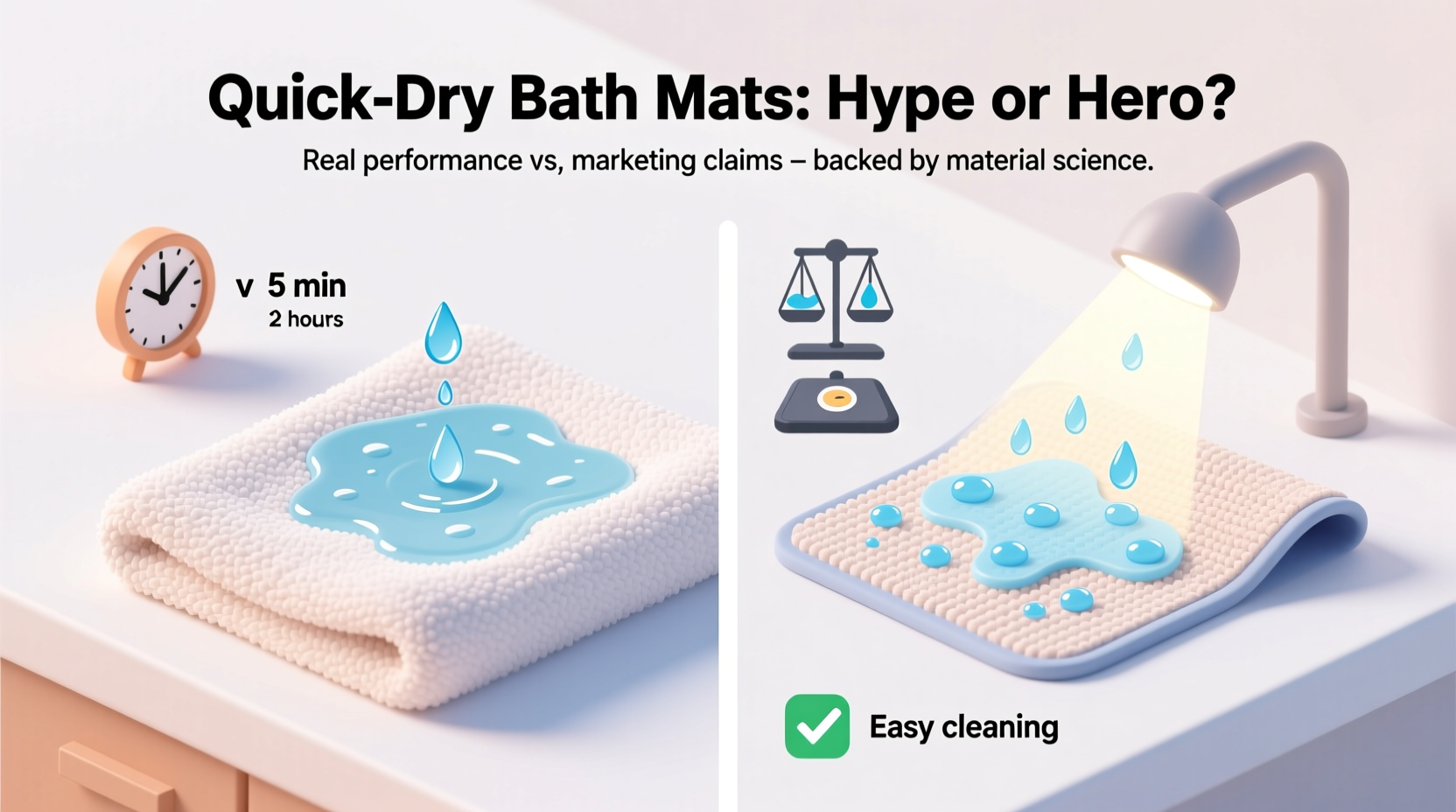
The term “quick dry” refers to a bath mat’s ability to evaporate moisture rapidly after being exposed to water. Unlike traditional cotton mats that retain water in their fibers, quick-dry mats are typically made from synthetic or engineered materials such as microfiber, polypropylene, TPE (thermoplastic elastomer), or open-weave textiles designed with enhanced airflow.
These materials often feature perforations, mesh-like surfaces, or raised patterns that increase surface area and allow air to circulate freely. This design prevents water from pooling and drastically reduces drying time—often within 30 minutes to an hour under normal bathroom conditions.
Performance Comparison: Quick-Dry vs. Traditional Mats
To assess whether quick-dry mats live up to the hype, it helps to compare them directly against standard cotton or terry cloth options across several key criteria.
| Feature | Quick-Dry Mat | Traditional Cotton Mat |
|---|---|---|
| Drying Time | 30–90 minutes | 4–24 hours |
| Mold & Mildew Resistance | High (with proper ventilation) | Low (prone to mildew if not dried) |
| Absorbency | Moderate to high (depends on material) | Very high |
| Slip Resistance | Excellent (non-slip backing common) | Fair (can shift when wet) |
| Odor Build-Up | Rare | Common over time |
| Maintenance | Low (often machine washable) | High (requires frequent washing) |
| Lifespan | 3–5 years | 1–3 years |
The data shows a clear advantage for quick-dry mats in terms of hygiene and maintenance. While traditional mats win in raw absorbency, they often sacrifice cleanliness and longevity due to prolonged dampness.
The Hygiene Factor: Why Drying Speed Matters
One of the biggest issues with conventional bath mats is microbial growth. When a cotton mat stays damp for hours, it becomes a breeding ground for bacteria, mold, and mildew. These organisms thrive in warm, moist environments and can lead to unpleasant odors, discoloration, and even health concerns for individuals with allergies or respiratory sensitivities.
According to Dr. Lena Patel, a microbiologist specializing in household environments:
“Moisture retention is the primary factor in microbial colonization on bathroom textiles. A mat that dries within an hour significantly reduces the window for pathogen development.” — Dr. Lena Patel, Microbiology Research Institute
Quick-dry mats mitigate this risk by minimizing moisture retention. Many also incorporate antimicrobial treatments or inherently resistant materials like polypropylene, which naturally repel microbes.
Real-World Test: A Family of Four Switches to Quick-Dry Mats
The Johnson family, living in a humid coastal region, had long struggled with musty-smelling bath mats despite weekly laundering. Their two children and frequent shower use meant the mats were constantly wet. After switching to a set of perforated microfiber quick-dry mats, they monitored changes over three months.
Results included:
- No detectable odor after six weeks
- Zero mold spots, even during a week-long power outage when ventilation was limited
- Reduced laundry frequency—from every 5 days to once every 3 weeks
- Improved slip resistance noticed by elderly grandparents visiting
While the initial cost was higher ($45 vs. $20 for a basic cotton mat), the family reported greater satisfaction due to reduced maintenance and improved bathroom freshness.
How to Choose the Right Quick-Dry Mat
Not all quick-dry mats are created equal. To get the best value and performance, consider the following checklist before purchasing:
- Material: Prioritize microfiber, TPE, or polypropylene with open-cell structure.
- Drainage Design: Perforations or grid patterns improve airflow.
- Non-Slip Backing: Look for silicone or rubber grips that stay secure on tile or vinyl.
- Size & Fit: Ensure it covers the main stepping zone outside your shower or tub.
- Care Instructions: Machine-washable options offer long-term convenience.
- Antimicrobial Treatment: Optional but beneficial for high-humidity bathrooms.
Also, avoid mats that feel overly spongy or dense—these may trap water internally despite a quick-drying surface.
Debunking Common Myths About Quick-Dry Mats
Despite growing popularity, misconceptions persist. Let’s clarify a few:
- Myth: They don’t absorb well. While early models prioritized drainage over absorption, modern versions use advanced microfibers that wick moisture effectively while still drying fast.
- Myth: They’re uncomfortable underfoot. Many users report a slightly firmer feel than plush cotton, but newer ergonomic designs include cushioned zones for comfort without sacrificing function.
- Myth: They’re too expensive. With prices ranging from $30–$70, they cost more upfront—but their durability and reduced cleaning needs often make them cheaper over time.
Step-by-Step Guide to Maximizing Your Quick-Dry Mat’s Performance
To get the most out of your investment, follow this simple routine:
- Unpack and rinse: Before first use, rinse the mat with water to remove any manufacturing residues.
- Place near a vent or open window: Position it where air can circulate—avoid cramming it into tight corners.
- Shake daily: Give it a light shake after showers to dislodge trapped moisture.
- Hang weekly: Once a week, hang the mat over a towel bar or shower rod for complete airflow.
- Wash monthly: Even though they resist grime, run it through a gentle machine cycle every 4 weeks.
- Inspect backing: Check for wear on non-slip surfaces to maintain safety.
This minimal upkeep ensures peak performance and extends the mat’s lifespan.
FAQ: Common Questions About Quick-Dry Bath Mats
Can quick-dry mats be used in households with kids and pets?
Absolutely. Their fast drying and anti-slip features make them ideal for homes with frequent bathroom traffic. The reduced risk of mold also makes them safer for children who may sit or play on the floor.
Do they work in poorly ventilated bathrooms?
They perform better than traditional mats even in low-ventilation areas, but optimal results require some airflow. Consider adding an exhaust fan or cracking the door post-shower to boost drying efficiency.
Are quick-dry mats eco-friendly?
It depends. Synthetic materials aren’t biodegradable, but their longer lifespan and lower washing frequency reduce water and energy consumption over time. Some brands now offer recyclable or plant-based alternatives—check product labels for sustainability claims.
Conclusion: Practical Innovation, Not Just Hype
After evaluating performance, hygiene, user experiences, and expert insights, the evidence strongly supports that quick-dry bath mats are genuinely better in key areas—especially moisture management, cleanliness, and long-term maintenance. While they may not replace plush cotton mats for those seeking maximum softness, they offer a smarter solution for modern bathrooms where health, safety, and convenience matter.
The technology behind quick-dry mats isn't magic—it's thoughtful design grounded in material science and everyday usability. For anyone tired of smelly, mold-prone bath mats or looking to simplify bathroom upkeep, making the switch is a small change with meaningful impact.




 浙公网安备
33010002000092号
浙公网安备
33010002000092号 浙B2-20120091-4
Comments
No comments yet. Why don't you start the discussion?