
For centuries, people have turned to symbols and trinkets in search of good fortune. Among the most popular are rabbit keychains and traditional lucky charms—objects believed to attract prosperity, ward off misfortune, or simply bring a smile. But when it comes down to it, which one actually holds more power over fate? And beyond superstition, which is genuinely cuter and worth attaching to your keys, bag, or phone? The answer isn’t as simple as flipping a coin—it depends on culture, personal belief, design, and emotional connection.
The Symbolism Behind Rabbit Keychains
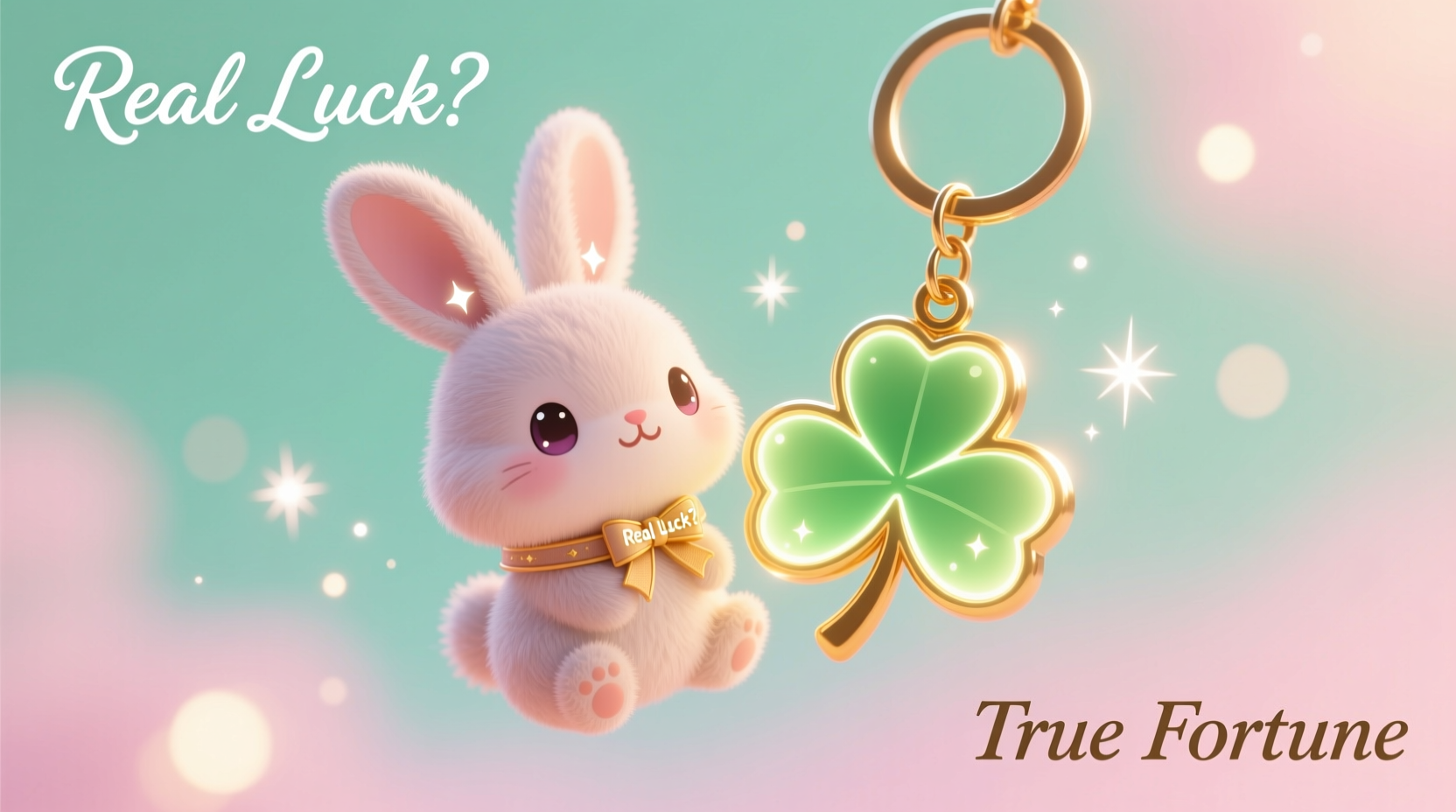
The rabbit has long been associated with fertility, renewal, and agility across cultures. In Western folklore, carrying a rabbit’s foot was thought to bring luck—a tradition rooted in African-American and Southern U.S. folk magic. While modern rabbit keychains rarely involve actual animal parts, they preserve that symbolic legacy. Today’s versions often feature plush toys, enamel pendants, or minimalist metal silhouettes, each designed to evoke whimsy and hope.
Rabbits are also tied to springtime and rebirth, especially through figures like the Easter Bunny. This seasonal association enhances their image as harbingers of fresh starts and positive energy. Many wear rabbit keychains not just for luck but as personal talismans during transitions—starting a new job, moving cities, or beginning relationships.
Lucky Charms: A Global Tradition
Lucky charms come in countless forms: four-leaf clovers, horseshoes, dreamcatchers, maneki-neko (the beckoning cat), and even ancient amulets like the Hamsa hand. Unlike rabbit keychains, which stem largely from Anglo-European traditions, lucky charms span continents and belief systems. For example, in Japan, red omamori charms sold at shrines are blessed by priests and believed to offer protection, success in exams, or safe travel.
What sets lucky charms apart is their intentional consecration. A four-leaf clover found in nature carries serendipity; one pressed into a locket may become a family heirloom. Their power often lies not in inherent magic but in the ritual of gifting, wearing, or carrying them with purpose.
“Objects become powerful when we invest them with meaning. A charm doesn’t attract luck—it reminds us we’re capable of creating it.” — Dr. Lena Torres, Cultural Anthropologist, University of Edinburgh
Design & Cuteness: A Visual Showdown
When comparing aesthetic appeal, both rabbit keychains and classic lucky charms have strong contenders. However, “cuteness” is subjective and influenced by trends, materials, and craftsmanship.
| Feature | Rabbit Keychain | Lucky Charm |
|---|---|---|
| Common Materials | Felt, silicone, enamel, metal | Resin, wood, fabric, ceramic |
| Color Palette | Pastels, white, gray, pink accents | Green (clovers), red (omamori), gold (coins) |
| Cuteness Factor | High – often cartoonish, big eyes, floppy ears | Moderate – symbolic over cute, though some designs are playful |
| Uniqueness | Variety in breeds (bunnies, lop-eared, etc.) | Repetitive motifs (e.g., same clover shape) |
| Emotional Appeal | Strong – evokes childhood, comfort, innocence | Neutral to strong – depends on cultural attachment |
In blind polls conducted across lifestyle forums and social media groups, rabbit keychains consistently scored higher in perceived \"cuteness\" due to their expressive features and tactile designs. One Reddit user commented, “My rabbit keychain looks like it’s smiling at me every time I unlock my bike. It’s ridiculous—but it makes me happy.”
Real-World Luck: Belief vs. Psychology
Scientifically speaking, no object can alter probability. Yet studies in psychology confirm that believing in a lucky charm can improve performance. A 2010 study published in *Psychological Science* found that participants who brought their own lucky charm to a test performed significantly better in memory and puzzle tasks than those without one. The effect wasn’t magical—it came from increased confidence and reduced anxiety.
This means both rabbit keychains and lucky charms work similarly: their value lies in what they represent to the owner. A student might carry a rabbit keychain before an exam because their grandmother gave it to them, instilling a sense of support. Another person might keep a jade turtle charm for wealth, handed down from a parent. The symbol matters less than the story behind it.
Mini Case Study: Sarah’s Job Search Journey
Sarah, a graphic designer from Portland, carried a small embroidered rabbit keychain throughout her six-month job hunt. She didn’t consider herself superstitious, but after receiving the keychain as a farewell gift from a mentor, she began attributing each interview invite to its presence. “I know logically it didn’t cause anything,” she said, “but touching it before calls calmed my nerves. I got my current role the day I wore it on a video interview.” Whether coincidence or placebo, the rabbit became a psychological anchor—something familiar in uncertain times.
How to Choose the Right One for You
Selecting between a rabbit keychain and a traditional lucky charm should reflect your personality, values, and intentions. Consider these steps before deciding:
- Reflect on personal meaning: Does the rabbit remind you of someone special? Does a particular charm connect to your heritage?
- Evaluate design preferences: Do you prefer soft, huggable items or sleek, symbolic tokens?
- Test emotional response: Hold different options. Which one feels right when you touch it?
- Check durability: Will the charm withstand daily use? Enamel rabbits tend to last longer than fabric-based ones.
- Consider visibility: If you want constant reminders of positivity, pick something eye-catching.
Checklist: Picking Your Perfect Lucky Accessory
- ✅ Aligns with your personal beliefs or memories
- ✅ Made from durable, non-toxic materials
- ✅ Fits comfortably on your keyring or bag
- ✅ Evokes a positive emotional reaction
- ✅ Reflects your style (cute, minimalist, bold, vintage)
Frequently Asked Questions
Do rabbit keychains really bring luck?
There’s no scientific proof that any object brings supernatural luck. However, carrying a rabbit keychain can boost confidence and mindfulness, indirectly improving outcomes by reducing stress and increasing focus.
Are lucky charms culturally sensitive?
Some charms, like Native American dreamcatchers or Hindu deities, carry deep spiritual significance. Using them purely as fashion accessories without understanding their context can be disrespectful. When in doubt, choose generic symbols or research origins thoroughly.
Which lasts longer: a rabbit keychain or a typical lucky charm?
Durability depends on material, not type. Silicone or metal rabbit keychains can outlast fabric or resin charms. Look for reinforced stitching, UV-resistant coatings, and rust-proof clasps regardless of design.
Final Thoughts: Luck Is What You Make It
In the end, whether a rabbit keychain or a classic lucky charm “works” depends entirely on you. Neither holds mystical powers, but both can serve as anchors for intention, memory, and optimism. As for cuteness, the rabbit wins on broad appeal—its soft shapes and joyful expressions resonate universally. But true charm lies in authenticity. Pick the one that speaks to your journey, fits your pocket, and makes you smile when you see it dangling from your keys.
After all, the real magic isn’t in the object itself. It’s in the quiet moment of reassurance it provides—the tiny pause before unlocking the door, when you remember you’ve got something—or someone—rooting for you.




 浙公网安备
33010002000092号
浙公网安备
33010002000092号 浙B2-20120091-4
Comments
No comments yet. Why don't you start the discussion?