
Carrying a keychain isn’t just about holding keys—it’s a small extension of personality, preparedness, and even emotional well-being. In recent years, two very different contenders have gained popularity: the soft, whimsical rabbit plushie and the compact, utilitarian multi-tool. One brings smiles and comfort; the other offers survival in tight spots. But when it comes to real-world usefulness, which one wins?
This isn’t just about function versus cuteness. It’s about understanding context, personal needs, and the subtle ways small objects shape our daily experiences. Let’s dissect both options with honesty and depth.
The Emotional Value of a Rabbit Plushie Keychain
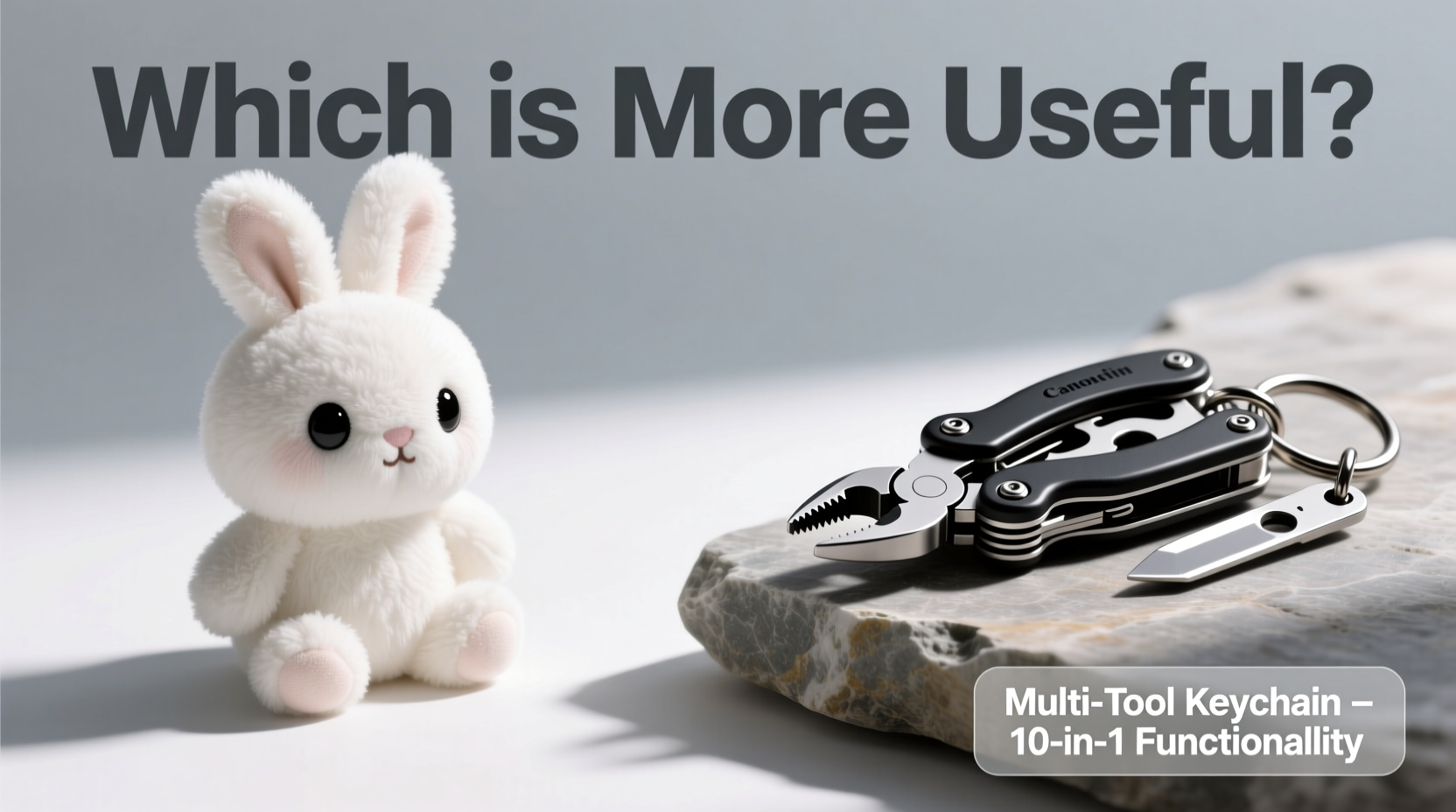
A rabbit plushie keychain might seem like a trivial accessory—small, fluffy, and undeniably cute. Yet for many, it carries deep emotional significance. Attached to keys, backpacks, or zippers, these plushies often serve as emotional anchors. They can be gifts from loved ones, reminders of childhood, or symbols of comfort during stressful times.
Psychologists recognize the value of transitional objects—items that provide psychological comfort. While typically associated with children, adults also benefit from such items. A plush keychain can reduce anxiety, especially in high-pressure environments like commuting, job interviews, or travel.
Moreover, plush keychains foster social connection. They invite conversation, signal approachability, and reflect individuality in a world of standardized accessories. In workplaces or classrooms, they can break the ice more effectively than any business card.
The Practical Power of a Multi-Tool Keychain
On the flip side, a multi-tool keychain is engineered for utility. Typically no larger than a thumb, these devices pack functions like bottle openers, screwdrivers, knives, tweezers, and even USB drives. Brands like Leatherman, Gerber, and SwissTech have refined them into indispensable pocket companions.
Consider this scenario: your glasses screw comes loose on a train ride. Without a mini screwdriver, you’re helpless. Or imagine needing to open a package at work and realizing no one has scissors. These are not rare events—they’re frequent micro-emergencies where a multi-tool pays for itself in seconds.
“Preparedness isn’t about anticipating disaster. It’s about eliminating avoidable friction in daily life.” — David Lin, Urban Survival Instructor
Multi-tools excel in reliability. Made from stainless steel or aerospace-grade aluminum, they withstand drops, moisture, and constant use. Unlike plush toys, they don’t degrade with time—unless misused.
Direct Comparison: When Each Shines
To determine which keychain is “more useful,” we must define what “useful” means. Is it measured in emotional support, physical utility, durability, or social impact? The answer depends on the user and situation.
| Criteria | Rabbit Plushie | Multi-Tool |
|---|---|---|
| Emotional Support | ★★★★★ | ★☆☆☆☆ |
| Physical Utility | ★☆☆☆☆ | ★★★★★ |
| Durability | ★★☆☆☆ (prone to wear, stains) | ★★★★★ (resistant to elements) |
| Social Engagement | ★★★★☆ (invites interaction) | ★★☆☆☆ (neutral presence) |
| Space Efficiency | ★★★☆☆ (bulky for size) | ★★★★★ (slim, lightweight) |
| Lifespan | Months to years (with care) | 5+ years (often decades) |
The table shows a clear divide: plushies win on emotional and social fronts; multi-tools dominate in function and longevity. Neither is universally superior—they serve different purposes.
Real-Life Scenario: A Week in Two Worlds
Meet Alex, a 28-year-old graphic designer who alternates between a rabbit plushie and a multi-tool keychain each week.
Week 1 – Plushie Mode: Alex attaches a small pastel rabbit to their backpack. On Monday, a junior colleague smiles and says, “That’s so sweet!” leading to a 20-minute chat about shared interests in animation. Wednesday, during a panic attack before a client call, Alex rubs the plush between fingers—a grounding technique learned in therapy. By Friday, the plush is slightly dirty but emotionally priceless.
Week 2 – Multi-Tool Mode: Alex switches to a titanium multi-tool. Tuesday, they tighten a wobbly chair leg in the office kitchen. Thursday, they open a stubborn blister pack of headphones. Saturday, while hiking, they use the tiny knife to cut a frayed shoelace. No drama, no fanfare—just silent, effective problem-solving.
After two weeks, Alex concludes: “The plush got me human connection. The tool saved me time and frustration. I need both—but not at the same time.”
How to Choose Based on Lifestyle
Selecting the right keychain isn’t about trend or peer pressure—it’s alignment with your daily reality. Here’s a step-by-step guide to help decide:
- Assess Your Daily Challenges: Do you face frequent minor mechanical issues (loose screws, sealed packages)? A multi-tool helps. Do you struggle with anxiety or isolation? A plush may offer subtle relief.
- Evaluate Your Environment: Office workers may appreciate the social boost of a plush. Outdoor enthusiasts, travelers, or tradespeople benefit more from tools.
- Consider Carry Habits: If you use a bag, space for a plush is less critical. If you keep keys in-pocket, bulk matters—multi-tools are sleeker.
- Test Temporarily: Try each for a week. Track moments when the item helped—or annoyed you.
- Combine if Possible: Some people carry both—one on the keyring, one on a zipper pull. There’s no rule against dual-purpose accessorizing.
Expert Insight: Function Meets Feeling
Dr. Lena Torres, a behavioral designer who studies everyday objects, explains: “We underestimate how much small interactions with objects affect our mood and efficiency. A tool reduces friction. A plush increases warmth. The most balanced people integrate both—functionality for the world, comfort for the self.”
“The best keychain isn’t the one that does the most—it’s the one that meets you where you are.” — Dr. Lena Torres, Behavioral Design Researcher
Frequently Asked Questions
Can a plush keychain be practical too?
Indirectly, yes. While it won’t open bottles or tighten screws, its emotional benefits—reducing anxiety, sparking conversations, boosting mood—are practical in social and mental health contexts. For someone with social anxiety, a plush might be more “useful” than a wrench.
Are multi-tools allowed on airplanes?
No. Most multi-tools with blades are prohibited in carry-on luggage under TSA and international aviation rules. Always check regulations before traveling. Non-blade versions (e.g., screwdriver-only) may be permitted.
How do I clean a rabbit plushie keychain?
Use a soft cloth dampened with mild soapy water. Gently wipe the surface, then air dry. Avoid submerging it, as this can damage stitching and stuffing. For deeper cleaning, some small plushies can be placed in a mesh laundry bag and machine-washed on gentle cycle—check labels first.
Checklist: Choosing Your Keychain
- ☐ Identify your primary need: emotional comfort or physical utility?
- ☐ Consider your environment: urban office, outdoor field, hybrid?
- ☐ Test both options for at least three days each.
- ☐ Check durability: will it survive rain, drops, or daily friction?
- ☐ Think long-term: will this still matter in six months?
- ☐ Be open to change: your ideal keychain may evolve with your lifestyle.
Conclusion: Usefulness Is Personal
So, which is more useful—the rabbit plushie or the multi-tool? The answer isn’t absolute. It depends on who you are, what you face daily, and what you value most.
If you measure usefulness by tasks completed, the multi-tool wins hands down. But if you measure it by moments of calm, connection, or joy, the plushie holds its own—and sometimes triumphs.
The smartest choice? Recognize that usefulness isn’t just mechanical. It’s emotional, social, and deeply human. You don’t have to choose forever. Rotate them. Combine them. Or keep one in reserve for days when you need comfort, and another for when you need control.




 浙公网安备
33010002000092号
浙公网安备
33010002000092号 浙B2-20120091-4
Comments
No comments yet. Why don't you start the discussion?