
Sudden, unexplained cuts or small lacerations appearing on the hands can be unsettling. Unlike injuries from obvious accidents, these seem to develop out of nowhere—sometimes overnight, sometimes after routine tasks. While many are minor and heal quickly, recurring or unexplained cuts may signal underlying health issues or environmental factors worth investigating. Understanding the root causes and knowing how to respond can help prevent complications and improve skin resilience.
Common Causes of Random Cuts on Hands
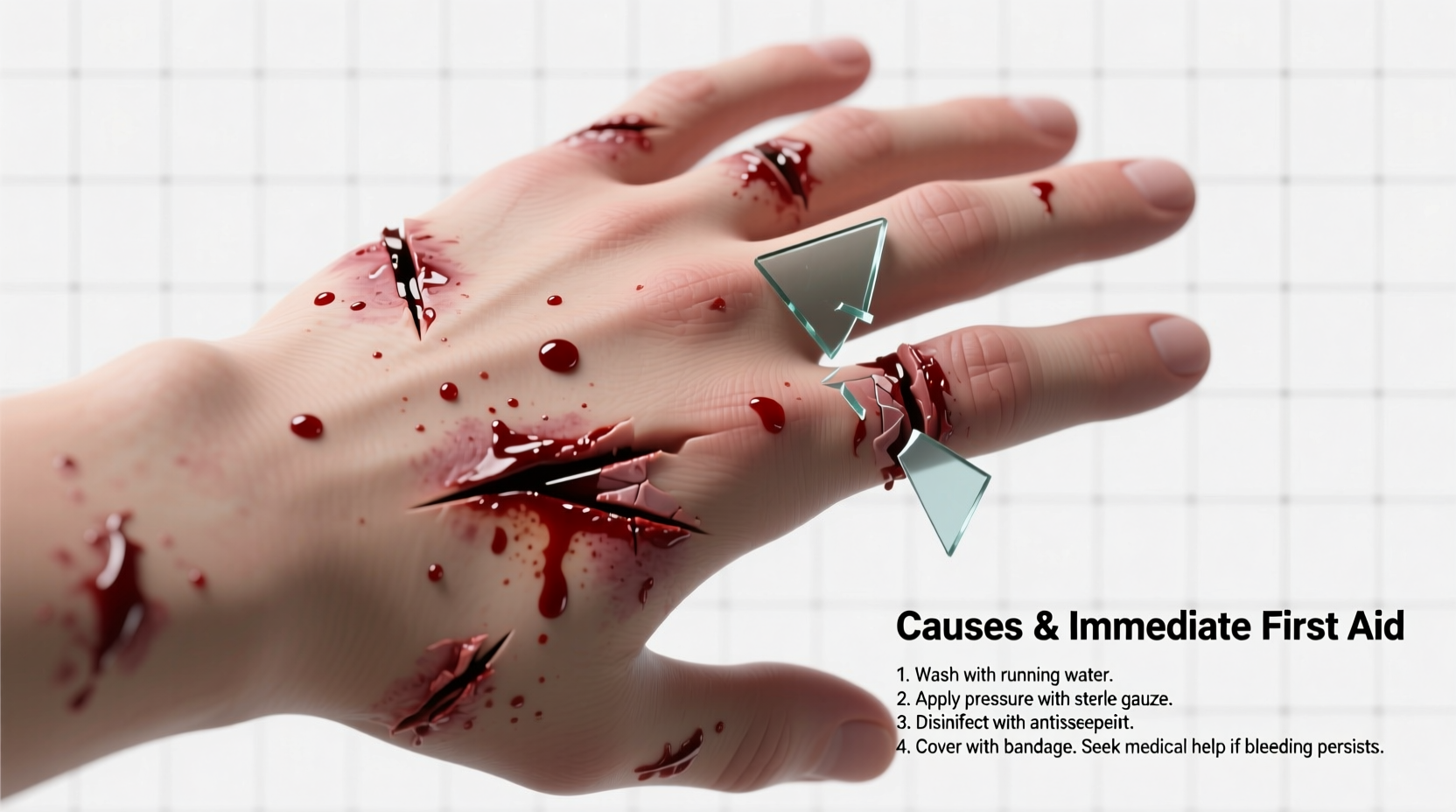
The hands are one of the most used parts of the body, constantly exposed to friction, chemicals, temperature changes, and micro-injuries. Some cuts result from direct trauma, but others appear without clear cause. Here are the most frequent contributors:
- Dry Skin and Fissures: Extremely dry skin loses elasticity and is prone to cracking, especially in cold or low-humidity environments. These fissures often start as tiny splits at the knuckles or fingertips and can deepen into painful cuts.
- Repetitive Friction or Micro-Trauma: Frequent use of tools, typing, handling paper, or gripping rough surfaces (like ropes or gym equipment) can cause small tears over time, even if not immediately noticeable.
- Chemical Exposure: Regular contact with cleaning agents, detergents, solvents, or sanitizers strips natural oils from the skin, weakening its protective barrier and making it more susceptible to breaks.
- Nutritional Deficiencies: Lack of vitamins like B3 (niacin), B7 (biotin), C, and E, or deficiencies in zinc and iron, can impair skin repair and integrity.
- Underlying Medical Conditions: Conditions such as eczema, psoriasis, diabetes, hypothyroidism, or autoimmune disorders like lupus can manifest through skin fragility and slow healing.
- Medication Side Effects: Some drugs, including retinoids, chemotherapy agents, or diuretics, increase skin sensitivity or reduce moisture retention.
When to Be Concerned: Warning Signs
Most minor cuts heal within a few days with basic care. However, certain patterns should prompt medical evaluation:
- Cuts that recur frequently without explanation
- Sores that don’t heal within 10–14 days
- Signs of infection: redness, swelling, pus, increasing pain
- Bleeding without injury or excessive bruising
- Cuts accompanied by fatigue, joint pain, or other systemic symptoms
“Recurrent, unexplained skin breakdown—especially on the hands—can be an early sign of autoimmune conditions or metabolic imbalances. Don’t dismiss persistent issues.” — Dr. Lena Patel, Dermatologist and Clinical Researcher
Step-by-Step Guide to Managing and Preventing Random Hand Cuts
Addressing both immediate care and long-term prevention is essential for breaking the cycle of recurring cuts. Follow this timeline-based approach:
- Day 1 – Immediate Care: Clean the cut with lukewarm water and mild soap. Pat dry gently. Apply an antibacterial ointment (e.g., bacitracin) and cover with a breathable bandage.
- Days 2–4 – Moisturize and Protect: Reapply ointment twice daily. Use fragrance-free, thick moisturizers like petroleum jelly or ceramide-based creams. Wear cotton gloves at night to enhance absorption.
- Days 5–7 – Monitor Healing: Look for signs of closure and reduced redness. Avoid picking scabs. If no improvement, consider consulting a healthcare provider.
- Ongoing – Prevention Routine: Implement daily habits to strengthen skin and reduce risk (see checklist below).
Prevention Checklist: Protect Your Hands Daily
Consistent habits make a significant difference. Use this actionable checklist to minimize future occurrences:
- ✅ Apply hand cream immediately after washing hands
- ✅ Wear gloves when cleaning, gardening, or handling chemicals
- ✅ Use a humidifier in dry environments (especially bedrooms)
- ✅ Avoid alcohol-based hand sanitizers multiple times per day; opt for moisturizing formulas
- ✅ Incorporate foods rich in omega-3s, vitamin E, and biotin (e.g., nuts, seeds, eggs, leafy greens)
- ✅ Replace rough sponges or scrubbers with soft alternatives
- ✅ Trim fingernails regularly to avoid accidental self-scratching
- ✅ Check blood work annually if cuts persist—ask for vitamin D, B12, iron, and thyroid panels
Do’s and Don’ts: Quick Reference Table
| Do’s | Don’ts |
|---|---|
| Use lukewarm water for handwashing | Wash with hot water frequently |
| Apply ointment before bed under cotton gloves | Leave deep cracks uncovered |
| Wear gloves during household chores | Handle bleach or ammonia without protection |
| Eat a balanced diet rich in skin-supportive nutrients | Ignore persistent cuts lasting over two weeks |
| See a dermatologist for recurring issues | Self-diagnose or use steroid creams without guidance |
Real-Life Example: Office Worker with Recurring Finger Cuts
Sarah, a 34-year-old administrative assistant, began noticing small cuts forming at the base of her fingers every few weeks. They weren’t from any visible injury, but she handled stacks of paper daily and washed her hands frequently due to office hygiene policies. Initially, she dismissed them as dry skin. Over time, the cuts became deeper and painful, occasionally bleeding during typing.
After consulting a dermatologist, Sarah learned that constant paper friction combined with frequent handwashing was stripping her skin’s lipid barrier. She was also mildly deficient in vitamin B7 (biotin). Her treatment plan included wearing thin cotton gloves while sorting documents, switching to a sulfate-free hand wash, applying a urea-based cream nightly, and taking a biotin supplement. Within six weeks, the cuts stopped appearing, and her skin regained resilience.
Frequently Asked Questions
Why do I keep getting small cuts on my fingers for no reason?
Recurring cuts without obvious cause are often due to a combination of dry skin, repetitive micro-trauma (like handling paper or tools), chemical exposure, or nutritional gaps. Environmental factors like low humidity or frequent handwashing can worsen the issue. Persistent cases may require medical evaluation for underlying conditions.
Can stress cause cuts on the hands?
Stress doesn’t directly cause cuts, but it can exacerbate skin conditions like eczema or psoriasis and weaken immune function, slowing healing. Stress-related habits such as nail-biting or skin-picking can also lead to open sores or secondary infections.
Are random hand cuts a sign of diabetes?
While not diagnostic alone, poor wound healing and frequent skin cracks can be early signs of undiagnosed diabetes. High blood sugar impairs circulation and nerve function, reducing the skin’s ability to repair itself. If you have other symptoms—increased thirst, fatigue, frequent urination—consult a doctor for glucose testing.
Conclusion: Take Control of Hand Health
Random cuts on the hands are more than just a nuisance—they’re signals from your body about skin health, lifestyle habits, or potential medical concerns. By identifying triggers, adopting protective routines, and seeking professional advice when needed, you can stop the cycle of damage and healing. Small changes, like wearing gloves or adjusting your skincare products, can yield significant long-term benefits.




 浙公网安备
33010002000092号
浙公网安备
33010002000092号 浙B2-20120091-4
Comments
No comments yet. Why don't you start the discussion?