
Occasional eye twitching—especially in the eyelid—is something most people experience at some point. It’s usually brief, painless, and resolves on its own. While often harmless, persistent or worsening twitching can sometimes signal an underlying condition. Understanding the difference between benign twitches and those that require attention is essential for peace of mind and timely care.
Eye twitching, medically known as myokymia, refers to involuntary contractions of the muscles around the eye, typically the lower eyelid. These spasms may last seconds or recur over days or weeks. Though rarely serious, they can be disruptive and concerning. This article explores the most common triggers, identifies red flags, and provides actionable steps to manage and prevent episodes.
Common Causes of Eye Twitching
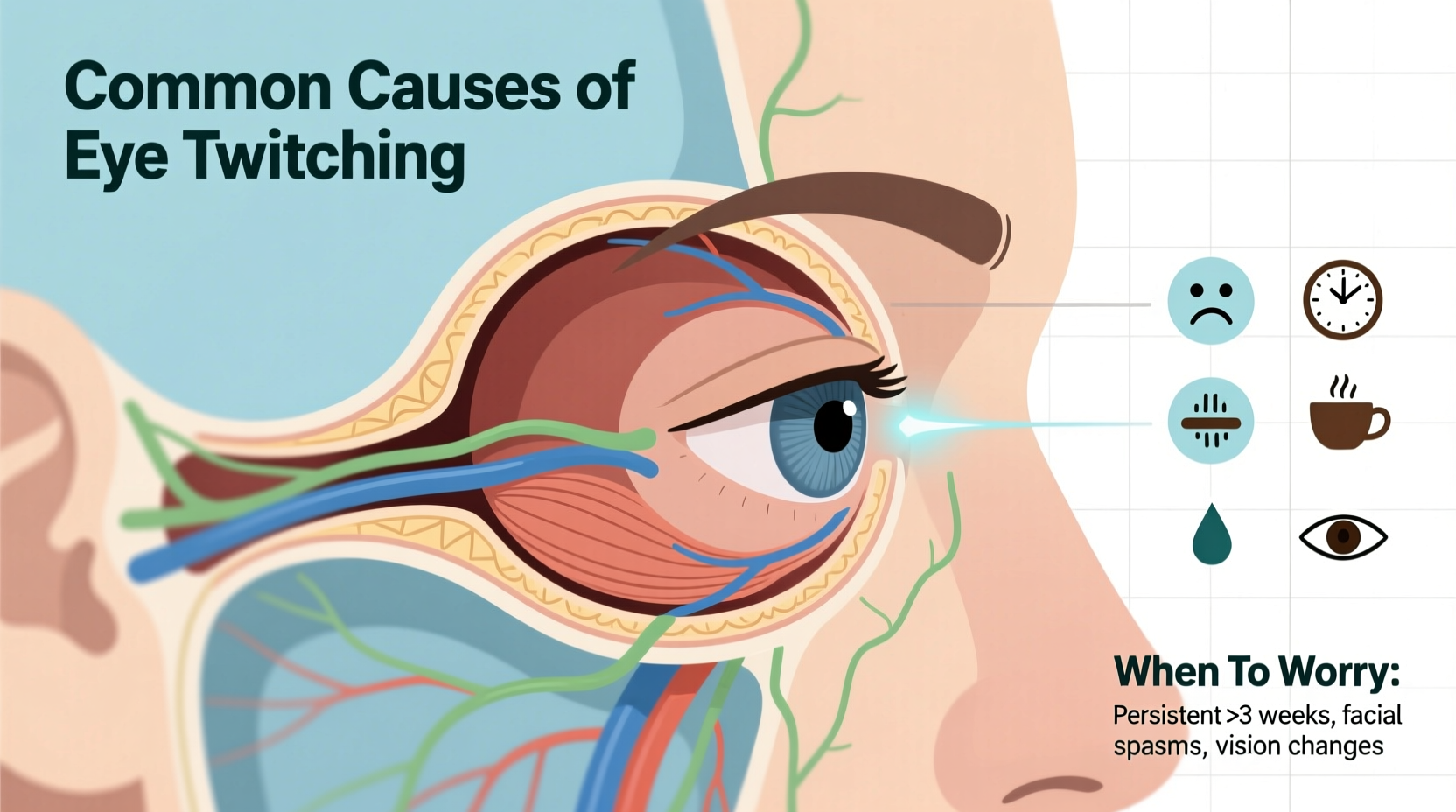
Most cases of random eye twitching stem from lifestyle factors or minor physiological imbalances. The nervous system controls muscle movement, and small disruptions can lead to temporary misfiring in the facial nerves, particularly the seventh cranial nerve (facial nerve), which innervates the eyelid muscles.
- Stress and Anxiety: Elevated cortisol levels from chronic stress can overstimulate the nervous system, leading to muscle twitches anywhere in the body, including the eyes.
- Eye Strain: Prolonged screen time, reading in poor light, or uncorrected vision problems force the eye muscles to work harder, increasing the likelihood of fatigue-induced twitching.
- Caffeine and Stimulants: Excessive coffee, energy drinks, or certain medications can overexcite nerve signals, triggering muscle spasms.
- Sleep Deprivation: Lack of quality sleep disrupts neurological regulation, making the body more prone to involuntary movements.
- Dry Eyes: Particularly common with aging or extended digital device use, dry eyes cause irritation that may manifest as twitching.
- Nutritional Deficiencies: Low levels of magnesium, calcium, or vitamin B12 can impair nerve function and muscle control.
When Eye Twitching Is Not Harmless: Warning Signs
In most cases, eyelid twitching disappears within a few days without treatment. However, certain symptoms suggest a more serious neurological condition requiring medical evaluation. These include:
- Twitching that spreads to other areas of the face or body
- Facial weakness, drooping, or difficulty closing the eye
- Redness, swelling, or discharge from the eye
- Twitching lasting longer than three weeks
- Complete closure of the eyelid with each spasm (blepharospasm)
“While benign myokymia is extremely common, persistent or asymmetric facial twitching should prompt a neurologic assessment to rule out conditions like hemifacial spasm or even early signs of multiple sclerosis.” — Dr. Lena Torres, Neurologist at Boston Neurological Institute
Conditions That May Cause Chronic Eye Twitching
Beyond everyday triggers, several medical conditions are associated with prolonged or severe eye twitching:
- Blepharospasm: A rare form of dystonia causing uncontrollable blinking or eye closure, often triggered by light or stress.
- Hemifacial Spasm: Involves involuntary contractions on one side of the face due to compression of the facial nerve, often by a blood vessel.
- Multiple Sclerosis (MS): Nerve damage from MS can result in muscle spasms, including in the eye area.
- Parkinson’s Disease: While tremors are more typical, some patients experience eyelid myoclonus as part of their symptom profile.
- Medication Side Effects: Certain antipsychotics, antidepressants, or asthma medications list muscle twitching as a potential side effect.
Practical Steps to Reduce and Prevent Eye Twitching
For most people, simple lifestyle modifications can significantly reduce or eliminate eye twitching. Addressing root causes is more effective than waiting for symptoms to pass.
Step-by-Step Guide to Managing Eye Twitching
- Reduce Caffeine and Alcohol: Gradually cut back on coffee, tea, soda, and alcohol to see if symptoms improve.
- Improve Sleep Hygiene: Aim for 7–9 hours per night. Establish a regular bedtime, avoid screens before sleep, and create a dark, quiet environment.
- Manage Stress: Incorporate relaxation techniques such as deep breathing, meditation, or yoga into your daily routine.
- Use Artificial Tears: If you have dry or irritated eyes, over-the-counter lubricating drops can provide relief.
- Take Screen Breaks: Follow the 20-20-20 rule: every 20 minutes, look at something 20 feet away for 20 seconds.
- Check Your Vision: Visit an optometrist to ensure your prescription is up to date and you’re not straining unnecessarily.
- Review Medications: Consult your doctor about whether any current medications could contribute to twitching.
Do’s and Don’ts: Quick Reference Table
| Do | Don’t |
|---|---|
| Get adequate sleep (7–9 hours) | Consume excessive caffeine or stimulants |
| Use lubricating eye drops if eyes feel dry | Rub your eyes aggressively |
| Practice stress-reduction techniques | Ignore twitching that lasts more than three weeks |
| Visit an eye specialist if symptoms persist | Self-diagnose serious neurological conditions |
Real-Life Example: When Lifestyle Changes Made a Difference
Sarah, a 34-year-old graphic designer, began experiencing frequent left-eye twitching after transitioning to remote work. She was spending 10–12 hours daily in front of screens, drinking four cups of coffee to stay alert, and sleeping only 5–6 hours per night. The twitching persisted for nearly two weeks and started affecting her concentration.
After reading about potential causes, she decided to make changes: she reduced her coffee intake to one cup in the morning, used blue-light filters on her devices, took scheduled breaks using the 20-20-20 rule, and prioritized sleep by setting a phone curfew at 10 p.m. Within ten days, the twitching stopped completely. A follow-up with her optometrist confirmed mild eye strain but no underlying pathology.
Sarah’s case illustrates how modern work habits can trigger physical symptoms—and how targeted adjustments can restore balance without medical intervention.
Frequently Asked Questions
Can dehydration cause eye twitching?
Yes. Dehydration affects electrolyte balance, including sodium, potassium, and magnesium, all of which are critical for proper nerve and muscle function. Even mild dehydration can trigger muscle spasms, including in the eyelid. Drinking enough water throughout the day may help prevent twitching.
Is eye twitching a sign of a stroke?
Not typically. Isolated eyelid twitching is not a common stroke symptom. However, if twitching is accompanied by facial drooping, slurred speech, arm weakness, or confusion, seek emergency care immediately, as these could indicate a stroke.
Should I see a doctor if my eye keeps twitching?
If the twitching lasts more than three weeks, spreads to other facial areas, or is accompanied by redness, swelling, or vision changes, consult a healthcare provider. An ophthalmologist or neurologist can evaluate for underlying conditions.
Conclusion: Listen to Your Body, But Stay Calm
Random eye twitching is overwhelmingly benign and often linked to modifiable lifestyle factors. Stress, screen fatigue, poor sleep, and diet play major roles—and addressing them can bring quick relief. However, persistence or progression of symptoms should never be ignored. Knowing when to act ensures you protect both your comfort and long-term health.




 浙公网安备
33010002000092号
浙公网安备
33010002000092号 浙B2-20120091-4
Comments
No comments yet. Why don't you start the discussion?