
Cats are obligate carnivores—biologically designed to thrive on animal-based proteins. This biological fact has fueled a growing debate among pet owners: should cats eat raw diets or stick with commercial kibble? Advocates of raw feeding point to gleaming coats, improved digestion, and increased energy. Critics warn of salmonella, E. coli, and nutritional imbalances. The glossy fur might catch your eye, but is it worth potentially exposing your home—and your cat—to harmful bacteria?
This question isn’t just about aesthetics. It’s about health, safety, and long-term well-being. As raw feeding gains popularity, so do concerns from veterinary organizations. To help you navigate this complex decision, we’ll examine both sides in depth, compare their nutritional profiles, assess real-world risks, and offer practical guidance grounded in science and experience.
The Allure of the Raw Diet: What Proponents Claim
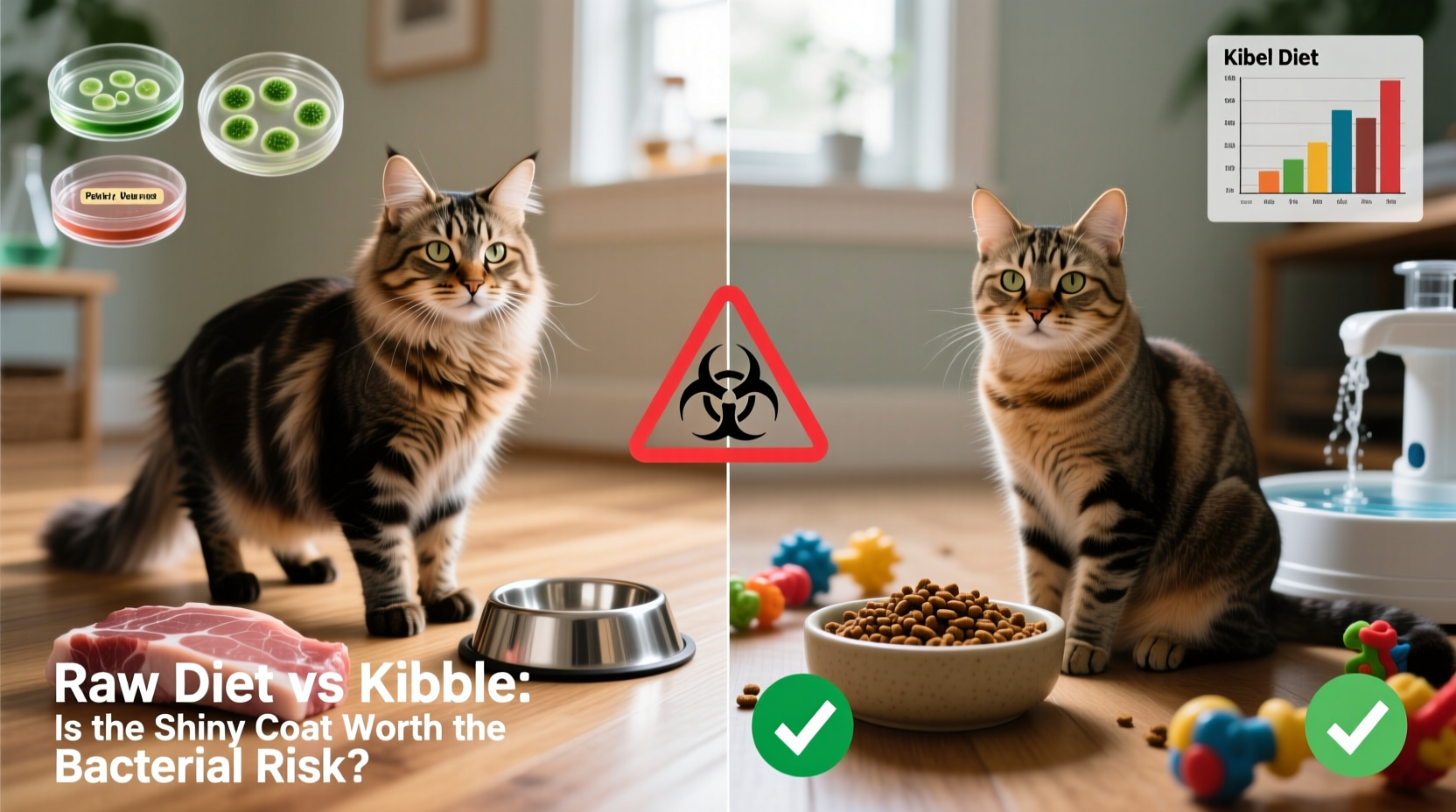
Raw diets typically consist of uncooked muscle meat, organs, bones, and sometimes eggs or small amounts of vegetables. These meals aim to mimic what a wild feline would consume—prey animals like birds, rodents, and rabbits. Supporters argue that cooking destroys essential nutrients and enzymes, making kibble biologically inappropriate for cats.
Many cat owners who switch to raw report visible improvements within weeks: shinier coats, cleaner teeth, reduced stool volume, and more consistent energy levels. Some even claim reductions in chronic conditions like inflammatory bowel disease or urinary tract issues. While anecdotal, these testimonials carry weight when shared across online communities and social media groups.
The logic behind these changes is straightforward. High-quality animal protein supports keratin production, which strengthens hair and nails. Natural moisture content in raw food (typically 70–75%) contrasts sharply with dry kibble (around 10%), potentially improving hydration—a known factor in skin and coat health.
Kibble: Convenience, Consistency, and Controversy
Commercial kibble has dominated the pet food market for decades due to its affordability, shelf stability, and ease of use. Reputable brands formulate their products to meet AAFCO (Association of American Feed Control Officials) standards, ensuring balanced nutrition for life stages.
However, kibble often contains plant-based fillers like corn, wheat, or soy—ingredients foreign to a cat’s natural diet. High-heat processing can degrade taurine and other heat-sensitive nutrients, requiring synthetic supplementation. Additionally, low moisture content may contribute to chronic dehydration, increasing the risk of kidney disease and lower urinary tract issues over time.
Despite these drawbacks, kibble offers consistency. Each batch is tested for nutrient levels, minimizing the risk of deficiencies or excesses. For busy households or multi-cat homes, it remains a practical solution. Yet, as pet owners become more ingredient-conscious, many are questioning whether convenience comes at too high a cost.
Bacterial Risk: A Real Threat or Manageable Hazard?
The most serious concern with raw feeding is contamination. Studies have consistently shown that raw pet foods—especially those containing poultry—are frequently contaminated with pathogens such as Salmonella, Listeria monocytogenes, and pathogenic strains of E. coli.
A 2018 FDA study found that nearly 10% of raw pet food samples tested positive for Salmonella, compared to less than 1% of dry kibble. Even more alarming, pets don’t always show symptoms when carrying these bacteria, turning them into silent vectors capable of infecting humans—particularly infants, elderly individuals, and immunocompromised family members.
But risk doesn’t mean inevitability. With proper handling, storage, and hygiene practices, many of these dangers can be significantly reduced. Freezing raw meat for at least 72 hours can kill certain parasites like Toxoplasma gondii. Thorough handwashing, disinfecting surfaces, and avoiding cross-contamination between human and pet food prep areas are non-negotiable steps.
“While raw diets can offer benefits, they also pose public health risks that cannot be ignored. Owners must understand they’re not just feeding their pet—they’re managing a potential biohazard.” — Dr. Jennifer Leeds, DVM, Veterinary Public Health Specialist
Nutritional Balance: Can You Get It Right at Home?
One of the biggest pitfalls of homemade raw diets is nutritional imbalance. Cats require precise ratios of calcium to phosphorus, adequate taurine, arachidonic acid, vitamin A, and other nutrients only found in sufficient quantities in animal tissues.
Feeding only muscle meat without bone or organ inclusion leads to severe deficiencies. For example, lack of calcium causes fibrous osteodystrophy, while insufficient taurine results in irreversible heart and vision damage. Even experienced raw feeders sometimes overlook micronutrient needs unless using formulated recipes or supplements.
In contrast, commercial kibbles undergo rigorous testing to ensure compliance with nutritional standards. However, quality varies widely. Premium brands invest in research and sourcing; budget options may rely heavily on by-products and artificial additives.
| Nutrient | Raw Diet Challenge | Kibble Advantage |
|---|---|---|
| Taurine | Degrades over time if not supplemented; especially low in cooked or aged meat | Synthetic taurine added in controlled amounts |
| Calcium | Must come from ground bone or supplements; improper ratios cause skeletal issues | Precisely balanced in formulation |
| Moisture | Naturally high (~70–75%) | Very low (~10%); increases dehydration risk |
| Vitamin A | Found in liver—but too much causes toxicity | Controlled addition prevents overdose |
| Pathogens | Common in unprocessed meat | Rare due to high-heat processing |
Real-World Example: One Family's Journey Through Raw Feeding
Sarah Thompson, a registered nurse from Portland, switched her two cats, Milo and Luna, to a raw diet after Luna was diagnosed with chronic cystitis. Conventional treatment provided temporary relief, but flare-ups persisted. After researching feline urinary health, Sarah learned that chronic dehydration from dry food could be a contributing factor.
She began preparing a balanced raw diet using a veterinarian-approved recipe, incorporating chicken, turkey, beef, ground bone, liver, kidneys, and taurine supplement. Within six weeks, both cats had noticeably softer, shinier coats. More importantly, Luna’s urinary episodes decreased dramatically.
But challenges arose. One batch of commercially sourced frozen rabbit tested positive for Salmonella during routine lab screening (Sarah works in infection control and occasionally submits samples out of caution). Though neither cat showed symptoms, she temporarily halted feeding and deep-cleaned all kitchen tools. The incident prompted her to switch to flash-frozen, lab-tested commercial raw brands instead of DIY prep.
“I still believe raw was right for us,” Sarah said. “But I underestimated how strict the hygiene protocols needed to be. Now I treat raw meat like I’d handle sterile surgical supplies.”
Step-by-Step Guide: How to Safely Introduce a Raw Diet (If You Choose To)
If you're considering raw feeding, follow this evidence-based sequence to minimize risk and support a smooth transition:
- Consult Your Veterinarian: Discuss your cat’s health status, nutritional needs, and any contraindications (e.g., immune disorders).
- Choose a Balanced Approach: Use a recipe formulated by a veterinary nutritionist or select a commercially prepared, frozen raw product that meets AAFCO standards.
- Start Small: Replace 10–15% of your cat’s current meal with raw food. Monitor stool quality and appetite.
- Gradually Increase Over 7–10 Days: Slowly raise the proportion of raw food while decreasing kibble to avoid digestive upset.
- Practice Strict Hygiene: Wash hands, utensils, bowls, and prep surfaces with hot, soapy water after every use. Store raw food separately from human food.
- Monitor Long-Term: Schedule regular checkups, including bloodwork and urinalysis, to detect early signs of deficiency or organ stress.
- Have a Backup Plan: Keep a bag of high-quality wet food or kibble on hand in case supply issues or illness arise.
Checklist: Before You Switch to Raw
- ☐ Reviewed my cat’s medical history with a vet
- ☐ Researched reputable raw diet formulations or brands
- ☐ Confirmed access to reliable sources of safe, fresh, or frozen raw food
- ☐ Designated separate cutting boards, bowls, and storage containers for pet food
- ☐ Committed to daily cleaning and disinfection routines
- ☐ Understood key nutrients (taurine, calcium, vitamins) and how they’re supplied
- ☐ Prepared emergency plan for illness or supply disruption
Frequently Asked Questions
Can kittens eat raw diets?
Yes, but only under strict supervision and with formulas specifically designed for growth. Kittens have higher demands for calcium, phosphorus, and calories. Improperly balanced raw diets can impair development.
Is freeze-dried raw safer than fresh raw?
Freeze-dried raw reduces bacterial load through sublimation but does not eliminate pathogens entirely. Rehydrating it reintroduces moisture where bacteria can grow. Always handle rehydrated freeze-dried food as you would fresh raw—with full hygiene precautions.
Do veterinarians recommend raw diets?
Most veterinary associations—including the AVMA and CDC—do not recommend raw feeding due to zoonotic risks. However, some integrative or holistic vets support it when properly managed. Always seek advice from a licensed professional familiar with feline nutrition.
Weighing the Shiny Coat Against the Bacterial Risk
The promise of a lustrous coat is compelling. Healthy fur reflects internal wellness—adequate protein, essential fatty acids, and hydration. Raw diets often deliver these elements more naturally than processed kibble. But appearance alone shouldn’t dictate feeding choices.
The bacterial risk is real and extends beyond your cat. Humans in the household—especially children, seniors, or those undergoing chemotherapy—are vulnerable to opportunistic infections. Even asymptomatic pets can shed dangerous pathogens in litter boxes or through grooming.
That said, not all kibble is created equal. Many health benefits attributed to raw—such as improved coat condition—can also be achieved through high-moisture, grain-free canned foods rich in named animal proteins. In fact, switching from dry kibble to premium wet food often produces similar improvements in coat shine and digestion, without the biosecurity concerns.
The truth lies in balance. For highly motivated owners willing to commit to rigorous safety protocols and nutritional oversight, raw feeding can be a viable option. For most families, however, a combination of high-quality wet food and limited, safely handled raw treats may offer the best compromise—delivering many benefits with far less risk.
Conclusion: Make an Informed Choice That Fits Your Life
There’s no universal answer to whether raw diets are better than kibble. The decision depends on your cat’s individual health, your household dynamics, and your ability to manage risk. A shiny coat is a beautiful thing—but not worth compromising the health of your family or pet.
If you choose raw, do it right: use tested recipes, practice hospital-grade hygiene, and maintain open communication with your veterinarian. If you stick with kibble, upgrade to moisture-rich alternatives and prioritize ingredient quality. Either way, stay informed, observe your cat closely, and adjust based on results—not trends.




 浙公网安备
33010002000092号
浙公网安备
33010002000092号 浙B2-20120091-4
Comments
No comments yet. Why don't you start the discussion?