
Dogs love to chew—it’s instinctual, stress-relieving, and essential for dental health. But for powerful chewers, especially large or aggressive breeds like German Shepherds, Pit Bulls, or Rottweilers, not all chews are created equal. Rawhide has long been a go-to option, but it comes with serious risks: choking hazards, intestinal blockages, and digestive upset from chemical processing. In 2025, pet owners are increasingly seeking safer, more digestible, and longer-lasting alternatives that can withstand even the most determined chewers.
This guide explores the best rawhide-free chews engineered specifically for heavy chewers. From natural tendons to advanced composite bones, we’ll break down what makes a chew truly safe and durable, highlight top-rated products backed by veterinarians, and help you make informed decisions that support your dog’s health and happiness.
Why Rawhide Is Falling Out of Favor
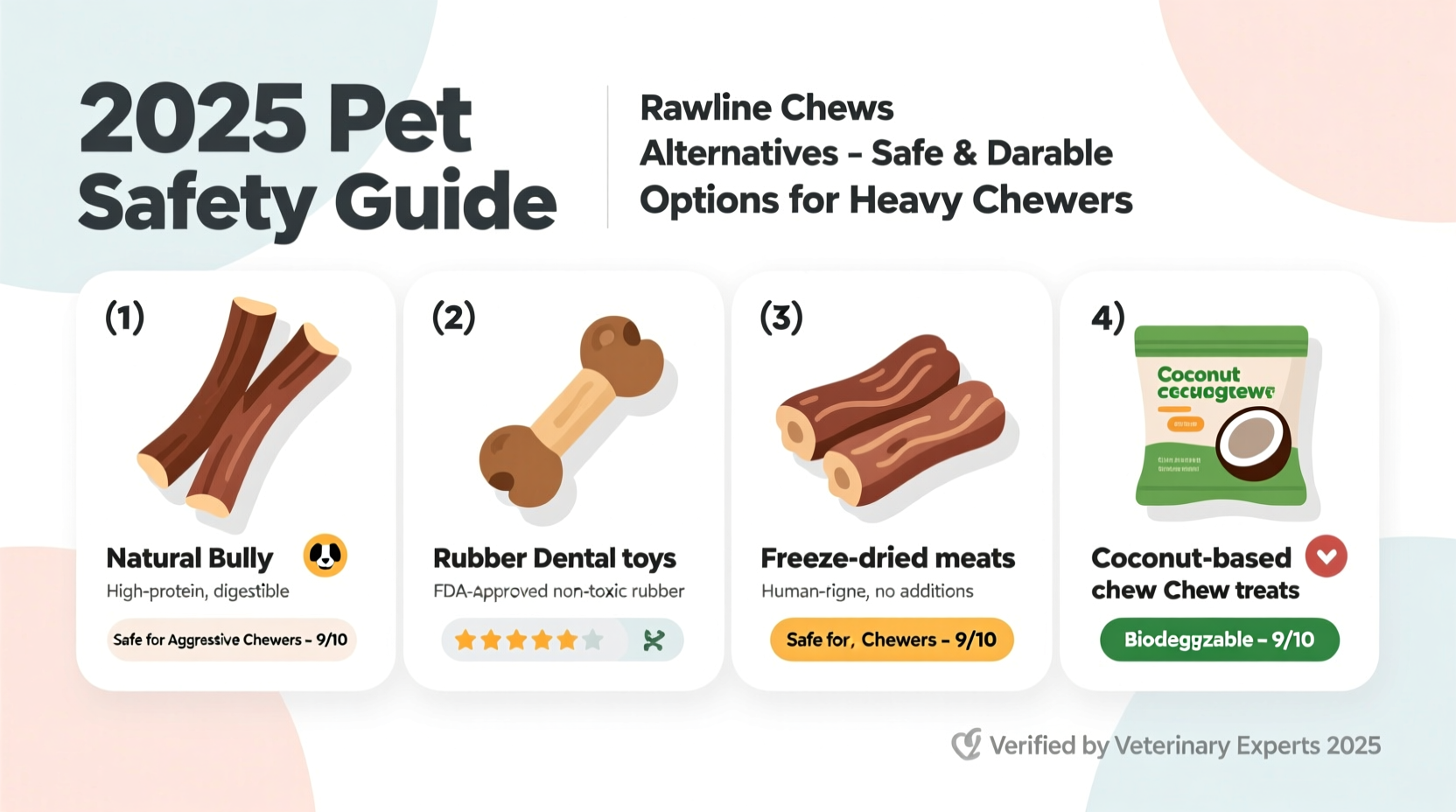
Rawhide is made from the inner layer of cow or horse hides, processed with chemicals to remove hair and prevent decay. While it’s tough enough to challenge many dogs, it poses multiple dangers:
- Digestive Risks: Rawhide doesn’t fully break down in the stomach. Large chunks can cause obstructions requiring emergency surgery.
- Choking Hazard: As rawhide softens, pieces can break off and become lodged in the throat.
- Chemical Exposure: Some imported rawhide contains residues of toxic substances like formaldehyde or arsenic.
- Bacterial Contamination: Poor manufacturing practices may introduce Salmonella or E. coli.
Veterinarians and pet safety organizations now recommend avoiding rawhide entirely, especially for dogs that consume treats quickly or have sensitive stomachs. The good news? A new generation of safer, smarter chews is emerging—designed with both durability and digestibility in mind.
Top 5 Safe & Durable Rawhide Alternatives for Heavy Chewers
When evaluating alternatives, consider three key factors: tensile strength, digestibility, and ingredient quality. The following options meet rigorous standards for safety and performance in 2025.
1. Bully Sticks (Pizzle Sticks)
Made from dried bull penises, bully sticks are 100% natural, highly digestible, and rich in protein. They vary in thickness, making them suitable for small to giant breeds. Unlike rawhide, they break down smoothly in the digestive tract.
Pros: Natural, single-ingredient, odor-minimized versions available.
Cons: Can be pungent; lower-density types may not last long for extreme chewers.
2. Beef Tendons
One of the strongest natural chews available, beef tendons are sterilized and dried to create a rock-hard texture that resists fracturing. They’re up to five times tougher than rawhide and fully digestible.
Pros: High collagen content supports joint health; no artificial additives.
Cons: More expensive than rawhide; requires supervision until fully consumed.
3. Antlers (Elk or Deer)
Naturally shed antlers are among the longest-lasting chews on the market. Odorless, non-splintering, and rich in minerals like calcium and phosphorus, they’re ideal for power chewers.
Pros: Last months or even years; no waste; naturally renewable.
Cons: Very hard—may damage teeth in dogs with pre-existing dental issues.
“Antlers are excellent for dogs that need a long-term chew, but I always advise checking for sharp edges and limiting use to supervised sessions.” — Dr. Laura Huang, DVM, Canine Dental Specialist
4. Rubber Chew Toys (Food-Grade, Treat-Dispensing)
While not edible, high-quality rubber toys like those from Kong or West Paw offer a sustainable chewing outlet. Fill them with peanut butter or kibble to extend engagement.
Pros: Indestructible for most dogs; promotes mental stimulation.
Cons: Not a consumable chew; must be cleaned regularly.
5. Composite Chews (Plant-Based Blends)
Brands like Planet Dog and Ruffwear now produce ultra-durable chews made from plant fibers, natural binders, and flavorings. These are designed to mimic the toughness of rawhide without the risks.
Pros: Vegan-friendly, biodegradable, and often flavored naturally.
Cons: May contain fillers; verify ingredient lists carefully.
Comparison Table: Rawhide vs. Top Alternatives (2025)
| Chew Type | Durability (Heavy Chewers) | Digestibility | Safety Risk | Best For |
|---|---|---|---|---|
| Rawhide | Moderate | Low – risk of blockage | High | Casual chewers, short sessions |
| Bully Sticks | Low-Moderate | High | Low | Dogs needing digestible protein |
| Beef Tendons | High | High | Low-Moderate | Power chewers, joint support |
| Antlers | Very High | N/A (non-edible) | Low (dental caution) | Long-term chewers, outdoor use |
| Rubber Toys | Extreme | N/A | Very Low | Mental enrichment, indoor use |
| Composite Plant Chews | High | Moderate-High | Low | Eco-conscious owners, flavor seekers |
How to Choose the Right Chew: A Step-by-Step Guide
Selecting a safe, satisfying chew involves more than just toughness. Follow this vet-recommended process to match the right option to your dog’s needs.
- Assess Your Dog’s Chewing Style: Does your dog gnaw slowly or rip chunks off? Gentle chewers can handle bully sticks; aggressive ones need tendons or antlers.
- Check Dental Health: Dogs with cracked teeth or gum disease should avoid extremely hard chews like antlers.
- Review Ingredients: Opt for single-source, minimally processed chews. Avoid artificial preservatives, colors, or renderings.
- Start Small: Introduce a new chew in a 10–15 minute trial. Watch for signs of distress, choking, or rapid consumption.
- Supervise Always: No chew is 100% safe unattended. Remove any piece small enough to swallow whole.
- Rotate Options: Variety prevents boredom and reduces wear on teeth from repetitive motion.
Real Example: Max the Rottweiler’s Chew Transformation
Max, a 4-year-old Rottweiler from Denver, had a history of destroying rawhide chews in under ten minutes—and once required surgery after swallowing a large piece. His owner, Sarah, switched to a structured chew plan in early 2024:
- Replaced rawhide with thick, premium beef tendons sourced from a U.S. supplier.
- Introduced a Kong Extreme filled with frozen yogurt and blueberries for mental stimulation.
- Added a split elk antler for weekend backyard chewing.
The result? Max now spends over 30 minutes focused on each chew, shows less destructive behavior at home, and has improved breath and reduced tartar buildup. His vet noted “noticeable improvement in oral hygiene” during his annual checkup.
“I was skeptical about spending more on chews,” Sarah said, “but when I saw how much calmer and healthier Max became, it was worth every penny.”
Checklist: Safe Chew Selection for Heavy Chewers
Use this quick-reference checklist before purchasing any chew:
- ✅ Made from natural, digestible materials (e.g., tendon, meat, hide)
- ✅ Free from BHA, BHT, artificial dyes, and chemical preservatives
- ✅ Appropriately sized—longer than your dog’s muzzle to prevent gulping
- ✅ Firm enough to resist breaking into small fragments
- ✅ Sourced from reputable manufacturers (U.S., Canada, New Zealand preferred)
- ✅ Supervised during use—never left alone with a chew
- ✅ Removed when reduced to a small, swallowable size
Frequently Asked Questions
Are there any completely indestructible chews?
No chew is truly indestructible. Even antlers and rubber toys can fracture under extreme force. The goal isn’t destruction-proofing but providing a long-lasting, safe outlet. Rotate chews and inspect them regularly for wear.
Can puppies have these alternatives?
Yes, but with modifications. Puppies need softer chews to protect developing teeth. Opt for smaller bully sticks, puppy-specific tendons, or soft rubber toys. Avoid antlers and very dense chews until adulthood.
How often should I give my dog a chew?
Most experts recommend one chew session per day, lasting 10–30 minutes. This supports dental health without overloading digestion. Use chews as part of a balanced routine—not a substitute for meals.
Expert Insight: What Veterinarians Recommend in 2025
Dr. Nadia Patel, a board-certified veterinary behaviorist, emphasizes functional benefits beyond durability:
“The best chew does more than survive a dog’s jaws—it engages the mind, cleans the teeth, and satisfies the instinct to gnaw. We’re moving toward holistic chew solutions: durable, nutritious, and mentally enriching. That’s the future of canine wellness.” — Dr. Nadia Patel, DVM, ACVB
This shift explains the rise of multi-functional chews—like rubber toys that double as puzzle feeders or tendons infused with glucosamine. The trend in 2025 is not just safety, but value: what does the chew *do* for the dog beyond lasting a few extra minutes?
Final Thoughts and Action Steps
Rawhide may have dominated the chew market for decades, but in 2025, safer, smarter alternatives are setting a new standard—especially for heavy chewers. By choosing digestible, durable, and responsibly sourced options like beef tendons, antlers, or advanced rubber toys, you protect your dog from preventable health risks while supporting their natural behaviors.
Start today: review your current chew lineup, eliminate any rawhide products, and replace them with at least one vet-recommended alternative. Monitor your dog’s response, prioritize supervision, and don’t hesitate to experiment until you find the perfect fit.




 浙公网安备
33010002000092号
浙公网安备
33010002000092号 浙B2-20120091-4
Comments
No comments yet. Why don't you start the discussion?