
Razor bumps — those small, red, sometimes painful bumps that appear after shaving — are more than just a cosmetic nuisance. For many, they're a recurring issue that affects confidence, comfort, and daily grooming routines. While commonly associated with facial hair removal, razor bumps can occur anywhere on the body: legs, underarms, bikini line, or chest. Understanding why they form and how to stop them is key to achieving smooth, healthy skin without irritation.
The root cause lies not in poor hygiene but in how hair grows back into the skin. Known medically as pseudofolliculitis barbae, razor bumps happen when shaved hairs curl back and re-enter the skin instead of growing outward. This triggers inflammation, redness, and discomfort. Some people are more prone due to genetics, hair texture, or shaving habits. But regardless of your skin type or grooming routine, effective prevention is possible with the right knowledge and consistency.
Why You Always Get Razor Bumps
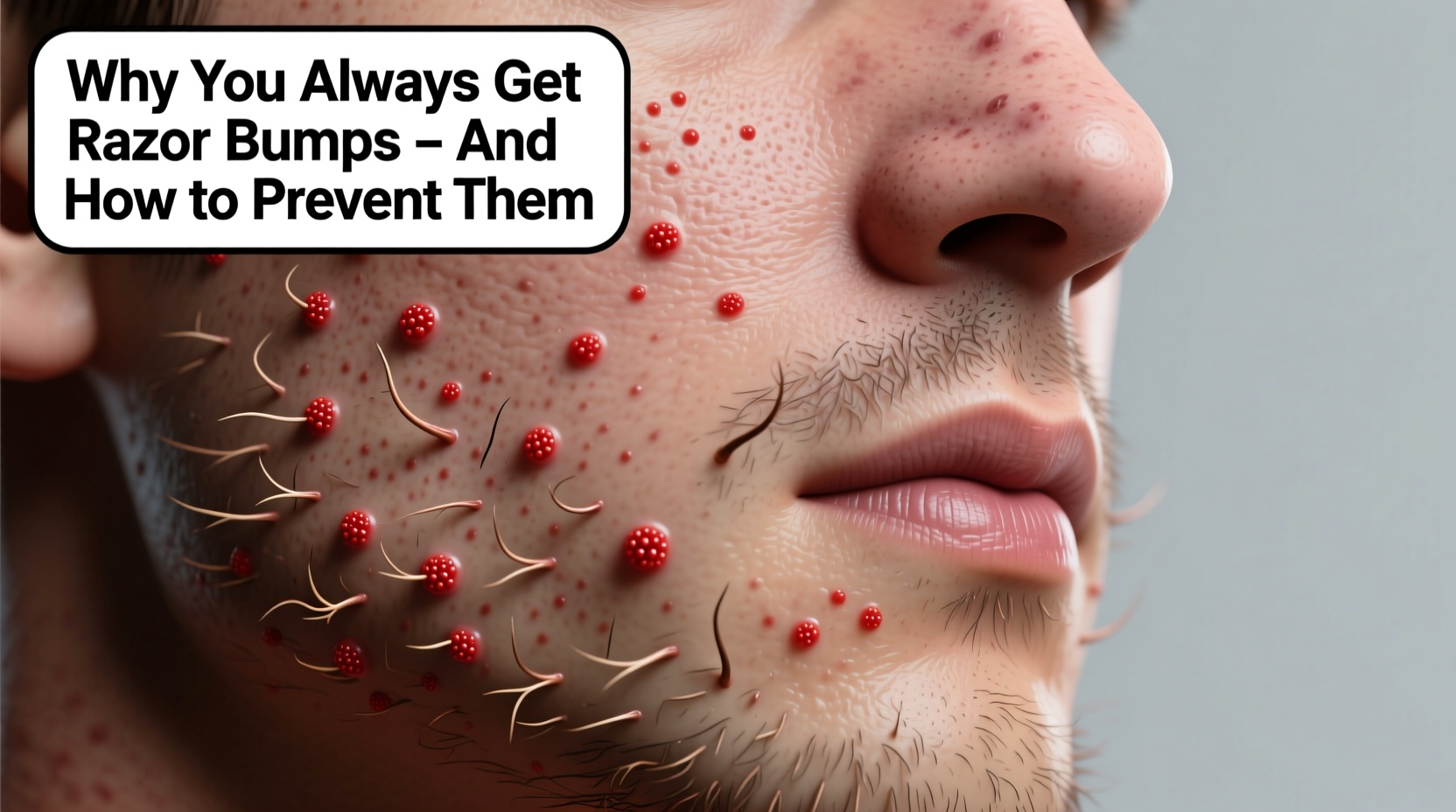
Repeated razor bumps aren’t random — they stem from specific biological and behavioral factors. The most common reason is tightly coiled or curly hair. When such hair is cut short, the sharp tip can easily curl back and pierce the skin as it regrows. This is especially prevalent among individuals with coarse, curly, or Afro-textured hair, though anyone can experience it.
Shaving technique plays a major role. Shaving too closely, using dull blades, or pulling the skin taut stretches hair below the surface level. Once released, the hair snaps back beneath the skin, leading to ingrown hairs and subsequent bumps. Dry shaving, skipping exfoliation, and improper pre-shave prep further increase risk.
Skin sensitivity and clogged pores also contribute. Dead skin cells can trap emerging hairs, forcing them to grow sideways. Without regular exfoliation, this cycle repeats with every shave, making razor bumps seem inevitable.
“Pseudofolliculitis barbae is one of the most common dermatological conditions linked to shaving, particularly in men of African descent. But with proper technique and skincare, it’s largely preventable.” — Dr. Lena Torres, Board-Certified Dermatologist
How to Prevent Razor Bumps: A Step-by-Step Guide
Preventing razor bumps isn’t about eliminating shaving — it’s about optimizing each step of your routine. Follow this timeline before, during, and after shaving for lasting results.
- Prepare Your Skin (5–10 minutes before shaving): Wash the area with warm water to soften hair and open pores. Use a gentle cleanser to remove oil and debris.
- Exfoliate Gently: Use a chemical exfoliant (like salicylic acid) or soft physical scrub 2–3 times per week to clear dead skin and prevent clogged follicles. Avoid over-scrubbing, which can worsen irritation.
- Apply Pre-Shave Oil or Cream: Lubrication reduces friction. Choose alcohol-free products that hydrate rather than strip the skin.
- Use a Sharp, Clean Razor: Replace blades every 5–7 shaves. Dull razors tug at hair and increase ingrown risk.
- Shave With the Grain: Always follow the direction of hair growth, especially on sensitive areas. Going against the grain may give a closer shave but significantly raises bump formation.
- Rinse with Cool Water: After shaving, close pores and soothe skin by rinsing with cool water.
- Apply an Alcohol-Free Aftershave or Moisturizer: Look for ingredients like witch hazel, aloe vera, or ceramides to calm inflammation and maintain barrier health.
- Moisturize Daily: Keep skin hydrated to reduce flakiness and support healthy hair emergence.
Do’s and Don’ts of Razor Bump Prevention
| Do | Don't |
|---|---|
| Shave with a single-blade or safety razor for less irritation | Use multi-blade razors that pull and cut hair below skin level |
| Exfoliate 2–3 times weekly with beta-hydroxy acids (BHA) | Scrub aggressively every day — this damages the skin barrier |
| Let new hair grow for a few days if bumps appear | Pick or pop bumps — this leads to scarring and infection |
| Wear loose clothing post-shave to reduce friction | Wear tight synthetics that trap sweat and irritate skin |
| Use non-comedogenic moisturizers daily | Apply heavy oils or greasy creams that clog pores |
Real Example: Breaking the Cycle
James, a 28-year-old professional, struggled with persistent neck bumps for years. Each morning shave left him with red, itchy spots along his jawline. He assumed it was just part of having thick beard growth. After avoiding social events due to visible irritation, he consulted a dermatologist.
He learned he was shaving against the grain for a “cleaner” look and using a four-blade razor that pulled hair before cutting it. His aftershave contained alcohol, drying out his skin and worsening inflammation. Under guidance, James switched to a safety razor, began pre-soaking his face, and adopted a post-shave routine with aloe-based balm.
Within three weeks, his bumps decreased significantly. By six weeks, his skin was nearly bump-free. The change wasn’t drastic — just consistent, informed adjustments. Today, he maintains smooth skin with bi-weekly exfoliation and mindful shaving.
Essential Prevention Checklist
To stay ahead of razor bumps, integrate these actions into your grooming regimen:
- ✅ Wash skin with warm water before shaving
- ✅ Exfoliate 2–3 times per week (not daily)
- ✅ Use a sharp, clean blade — replace regularly
- ✅ Apply lubricating shaving cream or gel
- ✅ Shave in the direction of hair growth
- ✅ Avoid stretching the skin while shaving
- ✅ Rinse with cool water post-shave
- ✅ Apply soothing, fragrance-free moisturizer
- ✅ Skip shaving temporarily if active bumps are present
- ✅ Wear breathable, loose-fitting clothes after body shaving
Frequently Asked Questions
Can women get razor bumps too?
Absolutely. Women commonly experience razor bumps on legs, underarms, and the bikini area. The causes and prevention methods are identical to those for men. Gentle exfoliation and proper shaving technique are equally important regardless of gender.
Are there long-term solutions beyond shaving adjustments?
Yes. For chronic cases, consider alternative hair removal methods such as laser hair reduction or electrolysis. These target the hair follicle and reduce regrowth over time, significantly lowering the chance of ingrown hairs. Consult a licensed dermatologist to determine suitability based on skin tone and hair color.
Should I pop a razor bump to relieve it?
No. Popping or picking at razor bumps can introduce bacteria, lead to infection, and cause hyperpigmentation or scarring — especially in darker skin tones. Instead, apply a warm compress to help the hair emerge naturally, and use topical treatments containing benzoyl peroxide or tea tree oil to reduce swelling.
Conclusion: Take Control of Your Skin Health
Razor bumps don’t have to be a permanent part of your grooming reality. They’re not a sign of uncleanliness or bad luck — they’re the result of predictable patterns that can be corrected. From adjusting your shave direction to adopting smarter skincare habits, every small change adds up to smoother, healthier skin.
You don’t need expensive gadgets or extreme measures. What works is consistency, awareness, and respect for your skin’s needs. Whether you shave daily or occasionally, applying these proven strategies will reduce irritation, prevent recurrence, and restore confidence in your appearance.




 浙公网安备
33010002000092号
浙公网安备
33010002000092号 浙B2-20120091-4
Comments
No comments yet. Why don't you start the discussion?