
Pearl scrunchies have surged from nostalgic accessory to fashion staple, gracing celebrity hairdos, influencer reels, and everyday wardrobes. What was once a simple hair tie has evolved into a statement piece—often adorned with real or faux pearls. But as prices climb from $5 to $50 per scrunchy, a critical question arises: Is the upgrade to real pearl scrunchies truly worth it, or are consumers simply overpaying for branding?
The answer isn’t straightforward. It depends on how you use the scrunchie, your personal values around sustainability and craftsmanship, and what you’re willing to invest in long-term accessories. This article dissects the differences between real and fake pearl scrunchies, evaluates their performance, and helps you make an informed decision without falling for marketing hype.
Understanding the Materials: Real Pearls vs. Imitations
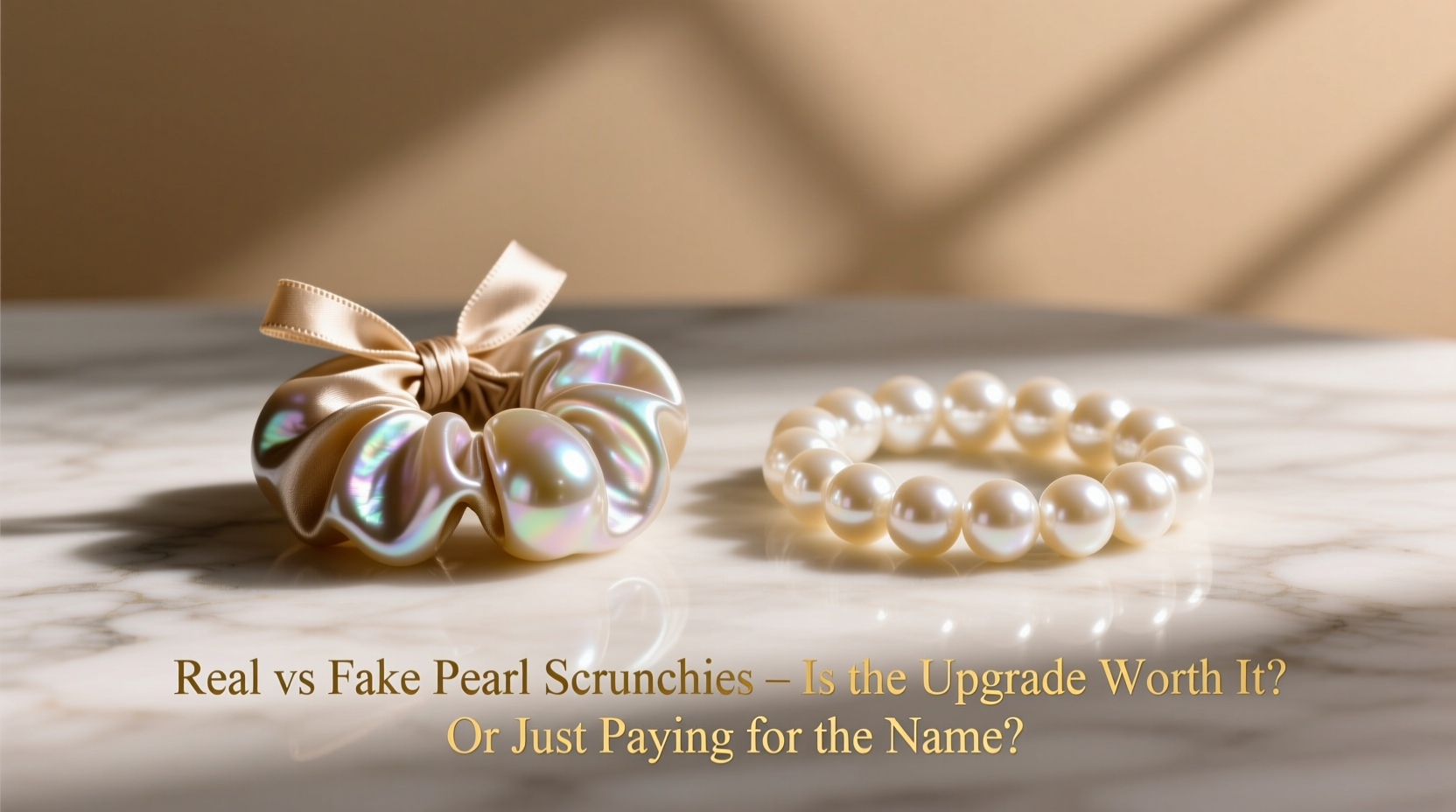
The core distinction lies in the materials used. Real pearl scrunchies typically feature genuine freshwater or cultured pearls, carefully selected and hand-set onto silk or satin fabric bands. These pearls are organic gemstones formed within mollusks, prized for their luster, iridescence, and natural imperfections that add character.
Fake pearl scrunchies, on the other hand, use synthetic alternatives—usually made from glass, plastic, or resin coated with a pearly finish (often called \"lustre\" coating). While modern imitations can mimic the shine of real pearls remarkably well, they lack the depth, weight, and subtle variation found in authentic ones.
From a tactile perspective, real pearls feel cooler and heavier. When tapped gently, they produce a soft, solid sound. Fake pearls often feel lightweight and may have a slightly hollow or plasticky texture. Over time, imitation coatings can chip or fade, especially when exposed to moisture, oils, or friction.
Performance Comparison: Durability, Comfort, and Longevity
Beyond aesthetics, performance matters. A scrunchy isn’t just decorative—it’s functional. It needs to hold hair securely without causing damage, maintain its shape after repeated use, and resist wear from daily exposure to hair products, sweat, and styling tools.
Real pearl scrunchies often come with higher-quality bases—silk or high-thread-count satin—that glide smoothly through hair, reducing friction and breakage. The elastic inside tends to be more durable, and the pearls are set with secure knots or metal clasps, minimizing the risk of losing embellishments.
Fake pearl versions frequently use lower-grade polyester satin and thin elastics. The imitation pearls are often glued or loosely threaded, making them prone to falling off after a few uses. Sweat and humidity can degrade the coating, leading to discoloration or flaking—especially if worn during workouts or humid weather.
“Luxury hair accessories aren’t just about looks—they reflect craftsmanship. A well-made scrunchie should last over a year with regular use.” — Lena Torres, Accessory Designer & Textile Specialist
Price vs. Value: Breaking Down the Cost
A typical fake pearl scrunchie costs between $3 and $12, while real pearl versions range from $25 to $60. At first glance, this seems like a steep markup. But cost-per-wear analysis reveals a different story.
If you wear a $40 real pearl scrunchy twice a week for a full year (104 uses), the cost per wear is less than $0.39. Compare that to a $6 fake version that starts fraying or loses pearls after 10 uses—its effective cost per wear jumps to $0.60, not to mention the environmental cost of disposal and replacement.
| Feature | Real Pearl Scrunchy | Fake Pearl Scrunchy |
|---|---|---|
| Average Price | $35–$60 | $3–$12 |
| Lifespan (Uses) | 80–120+ | 5–15 |
| Cost Per Wear (100 uses) | $0.35–$0.60 | $0.40–$2.40 |
| Pearl Durability | High (resists chipping) | Low (coating wears off) |
| Hair-Friendliness | Excellent (silk base) | Fair to Poor (polyester) |
The data suggests that real pearl scrunchies offer better long-term value, particularly for those who wear them regularly. They also align more closely with slow fashion principles—investing in fewer, higher-quality pieces that last.
Mini Case Study: Emma’s Morning Routine
Emma, a 32-year-old graphic designer from Portland, bought two scrunchies at the start of the year: a $7 faux pearl version from a fast-fashion site and a $42 real pearl scrunchy from a small sustainable brand. She wore each about three times a week.
By March, the fake scrunchy had lost two pearls, the elastic snapped during a workout, and the fabric began pilling. She replaced it twice, spending $21 total. Meanwhile, the real pearl scrunchy showed no signs of wear. The silk remained smooth, the pearls intact, and the elastic strong. After six months, she was still using it daily.
“I thought I was saving money with the cheap ones,” Emma said. “But I ended up spending more and feeling frustrated every time one broke. The real one feels luxurious and actually works better in my thick hair.”
Her experience reflects a broader trend: short-term savings often lead to long-term waste—both financial and environmental.
How to Spot Quality, Regardless of Pearl Type
Not all real pearl scrunchies are created equal, and some high-end fakes are surprisingly well-made. Focus on construction, not just materials. Use this checklist before purchasing:
- Elastic Quality: Should be thick, seamless, and sewn-in—not glued.
- Fabric Base: Look for silk, mulberry silk, or high-density satin. Avoid shiny polyester.
- Pearl Attachment: Pearls should be knotted between beads or secured with metal findings, not just strung loosely.
- Seam Finish: Inspect stitching—tight, even seams indicate care in production.
- Weight: A heavier scrunchy often means denser materials and real pearls.
FAQ: Common Questions About Pearl Scrunchies
Do real pearl scrunchies damage hair?
No—in fact, they’re often gentler than fake versions. Silk or satin bases reduce friction, preventing breakage and frizz. The key is avoiding tight styles and removing the scrunchy carefully.
Can I wash a real pearl scrunchy?
Hand wash only, in cool water with mild detergent. Do not soak. Gently pat dry and air-dry flat. Avoid submerging the pearls, as prolonged moisture can weaken the silk thread or damage nacre.
Are fake pearl scrunchies unethical?
Not inherently, but many are mass-produced with synthetic materials derived from petroleum. They contribute to microplastic pollution when discarded. In contrast, real pearls are biodegradable (though ethical sourcing matters—look for brands that support sustainable pearl farming).
Making the Right Choice for Your Lifestyle
The decision between real and fake pearl scrunchies ultimately hinges on usage and priorities. If you want a temporary accessory for a photoshoot or occasional wear, a well-made imitation may suffice. But if you plan to use the scrunchy daily, value hair health, and prefer sustainable consumption, a real pearl version is a smarter investment.
Consider starting with one high-quality scrunchy in a neutral color—ivory, black, or champagne. Pair it with multiple outfits and test its durability. If it performs well, gradually build a small collection rather than buying several low-cost options.
Brands like Lele Sadoughi, Kitsch, and independent artisans on Etsy offer transparent sourcing and craftsmanship. Read reviews, check return policies, and prioritize companies that disclose material origins and production methods.
Conclusion: Upgrade Wisely, Not Just Expensively
The rise of the pearl scrunchy reflects a cultural shift toward treating small accessories as meaningful expressions of style and self-care. But luxury shouldn’t be confused with branding alone. A $50 scrunchy isn’t automatically better than a $5 one—unless it delivers superior materials, construction, and longevity.
The real upgrade isn’t just about owning a real pearl scrunchy—it’s about choosing accessories that align with your values: durability over disposability, craftsmanship over clutter, and function alongside fashion.




 浙公网安备
33010002000092号
浙公网安备
33010002000092号 浙B2-20120091-4
Comments
No comments yet. Why don't you start the discussion?