
The rearview mirror is more than a convenience—it’s a critical safety component of your vehicle. When damage occurs, whether from impact, wear, or sun degradation, drivers face a choice: replace just the cover or invest in a full mirror replacement? The decision impacts visibility, safety, cost, and long-term durability. While a cover may seem like a quick fix, understanding the structural, functional, and economic differences between these options is essential for making an informed decision.
Understanding the Rearview Mirror Components
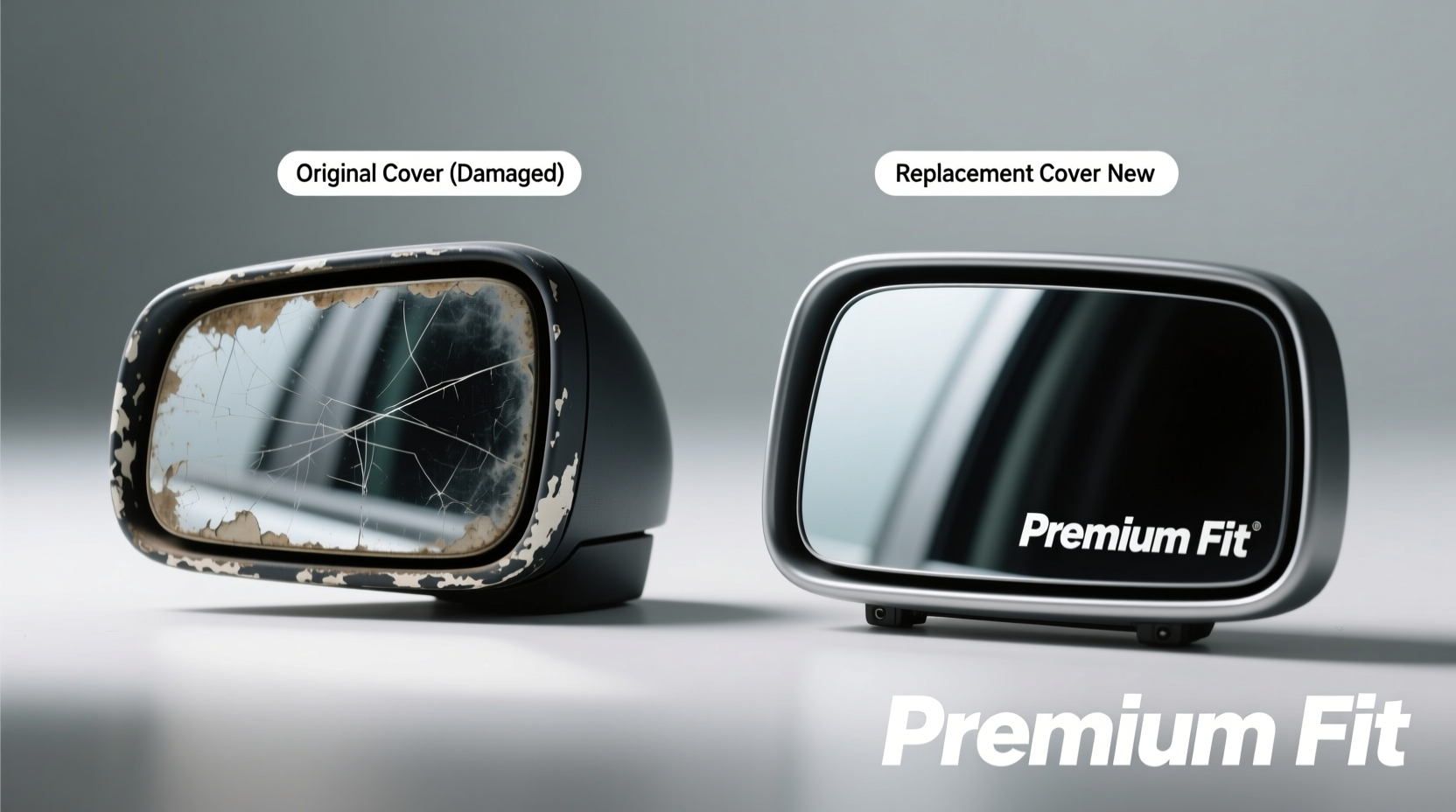
A rearview mirror consists of several parts: the glass, housing (or cover), mounting arm, base, and internal mechanisms (in models with auto-dimming, compass, or camera features). The \"cover\" typically refers to the outer plastic or rubber housing that protects the mirror assembly and attaches it to the windshield. The mirror itself is usually mounted behind this cover.
In many cases, only the cover becomes cracked, discolored, or loose due to age or impact. However, damage to the internal components—such as a broken mounting bracket or shattered glass—may necessitate a complete replacement. Knowing which part is affected determines whether a cover swap suffices or if full replacement is unavoidable.
When a Cover Replacement Makes Sense
Replacing just the cover is often the most economical and practical solution when the internal mechanism and mirror glass remain intact. Common scenarios include:
- Faded or yellowed plastic due to prolonged UV exposure
- Cosmetic cracks or splits in the housing
- Loose fit where the mirror wobbles but still functions
- Outdated design that you want to upgrade for aesthetic reasons
Aftermarket covers are widely available, often costing between $15 and $40. Installation is typically straightforward—many snap on without tools. This makes cover replacement ideal for DIYers looking for a fast, low-cost refresh.
However, compatibility is crucial. Not all covers fit every mirror model. Always verify your vehicle’s make, model, and mirror type before ordering. Some modern mirrors integrate electronics like Bluetooth, rain sensors, or lane departure warnings, which require precise alignment and connection.
When Full Replacement Is Necessary
There are clear indicators that a full rearview mirror replacement is not just advisable—but necessary. These include:
- Shattered or deeply scratched mirror glass – Even minor distortions impair depth perception and increase driver fatigue.
- Broken mounting base or adhesive failure – If the mirror no longer stays in position, structural integrity is compromised.
- Internal electronic failure – Mirrors with auto-dimming, backup camera feeds, or blind-spot detection rely on integrated circuitry. A faulty system cannot be fixed by changing the cover.
- Water intrusion or fogging inside the housing – This suggests a seal failure, which a new cover alone won’t resolve.
Full replacements range from $50 for basic units to over $200 for advanced models with digital displays or adaptive features. Labor costs at a dealership or auto shop can add another $30–$80, though many are designed for DIY installation using peel-and-stick adhesives.
“Replacing only the cover on a structurally compromised mirror is a false economy. Safety should never be secondary to cost.” — Marcus Tran, ASE-Certified Auto Technician
Cost and Long-Term Value Comparison
To help evaluate the best option, consider the following comparison:
| Factor | Cover Replacement | Full Mirror Replacement |
|---|---|---|
| Average Cost | $15–$40 | $50–$250+ |
| Labor Time | 10–20 minutes | 30–60 minutes |
| Safety Impact | Low (if internal structure is sound) | High (ensures full functionality) |
| Durability | Moderate (plastic may degrade again) | High (new assembly with warranty) |
| Compatibility Risk | Medium (aftermarket fit issues) | Low (OEM or exact-match models) |
| Electronic Integration | None (covers don’t restore function) | Full support for smart features |
While cover replacements offer immediate savings, they may lead to recurring issues if the underlying problem isn’t addressed. A full replacement, though pricier upfront, often provides better long-term value—especially for vehicles with advanced driver assistance systems (ADAS).
Step-by-Step: How to Decide Which Option You Need
Follow this logical process to determine the right path:
- Inspect the mirror – Check for cracks in the glass, looseness in the base, and signs of internal damage.
- Test functionality – If your mirror has auto-dimming, compass, or camera features, confirm they work properly.
- Evaluate stability – Gently move the mirror. If it flops or detaches easily, the mount is likely damaged.
- Check for moisture – Fog or condensation inside the housing indicates a failed seal—requires full replacement.
- Research part availability – Look up both cover-only and full mirror options for your vehicle. Compare prices and reviews.
- Assess your skills – If you’re uncomfortable handling wiring or adhesives, professional installation may be needed regardless of choice.
- Make the decision – Choose the cover if only cosmetic; opt for full replacement if structural or electronic issues exist.
Real-World Example: Sarah’s SUV Dilemma
Sarah noticed her 2018 Honda CR-V’s rearview mirror was vibrating excessively on rough roads. The glass was intact, but the plastic housing had a visible crack near the base. She found a $22 aftermarket cover and installed it in under 15 minutes. Initially satisfied, she soon realized the wobble persisted. Upon closer inspection, the mounting arm was bent—a flaw hidden beneath the old cover.
She returned to the auto parts store and invested $130 in a full OEM-style replacement with a new adhesive mount. After proper installation, the mirror stayed stable, and her lane assist feature recalibrated correctly. “I thought I was saving money,” she said, “but I ended up paying more because I didn’t fix the real issue the first time.”
Sarah’s experience highlights a common pitfall: treating symptoms instead of root causes. A cover replaced a symptom; a full unit addressed the problem.
FAQ
Can I replace the rearview mirror cover myself?
Yes, most covers are designed for easy removal and snap-on installation. Just ensure you don’t damage the internal wiring or mirror glass during the process. Watch tutorial videos specific to your vehicle model for guidance.
Will a new cover stop my mirror from vibrating?
Only if the vibration is caused by a loose or cracked housing. If the mirror base or mounting arm is damaged, a new cover won’t solve the issue. Stability comes from the internal structure, not the outer shell.
Do I need to recalibrate anything after replacement?
If your mirror includes ADAS features like lane departure warning or forward collision alert, yes. Many vehicles require software recalibration after mirror replacement. Consult your owner’s manual or a certified technician to ensure systems function correctly.
Final Recommendation: Prioritize Safety and Function
The answer to “cover vs replacement” depends entirely on what’s broken—not just what’s visible. For purely cosmetic issues, a new cover is a smart, budget-friendly upgrade. But when performance, stability, or safety is compromised, investing in a full mirror replacement is not just worthwhile—it’s responsible.
Modern rearview mirrors do more than reflect—they monitor, warn, assist, and protect. Treating them as disposable accessories undermines their role in safe driving. Whether you choose to replace the cover or the entire unit, make the decision based on function, compatibility, and long-term reliability.




 浙公网安备
33010002000092号
浙公网安备
33010002000092号 浙B2-20120091-4
Comments
No comments yet. Why don't you start the discussion?