
As sustainable fitness apparel gains popularity, many consumers are choosing between recycled polyester and nylon for their activewear. Both materials offer performance benefits, but how they endure over time—especially after frequent washing—is a critical factor in long-term value. While recycled polyester is often marketed as the eco-friendlier option, nylon has long been a staple in high-performance sportswear due to its strength and elasticity. But when subjected to the rigors of regular use and laundering, which fabric truly holds up better?
This article examines the structural integrity, resistance to wear, color retention, and overall longevity of recycled polyester and nylon activewear after multiple wash cycles. By analyzing fiber composition, industry testing standards, and real-world user experiences, we provide a clear comparison to help you make informed decisions about your athletic wardrobe.
Fiber Composition and Environmental Impact
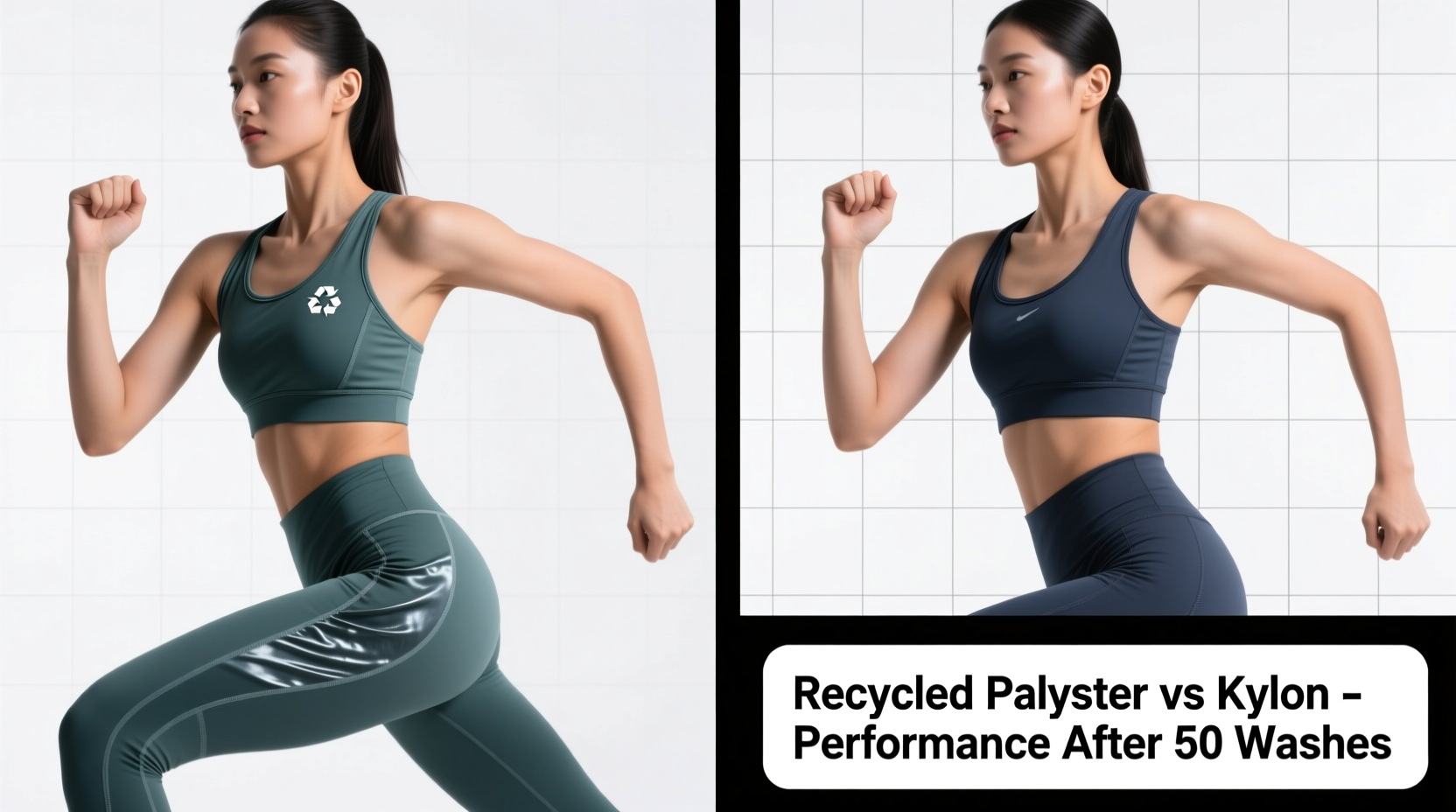
Before assessing durability, it’s essential to understand what each material is made from and how that influences both sustainability and performance.
Recycled polyester (rPET) is typically derived from post-consumer plastic bottles. These are cleaned, shredded into flakes, melted, and spun into fibers. The process reduces landfill waste and cuts energy consumption by up to 50% compared to virgin polyester. However, recycling introduces variability in polymer chain length, which can affect tensile strength and consistency across batches.
Nylon, particularly in activewear, is often used in its virgin form (though recycled versions like ECONYL® exist). It’s synthesized from petrochemicals and known for its high resilience, abrasion resistance, and ability to retain shape. Nylon fibers have a smooth surface and excellent elasticity, making them ideal for compression garments and swimwear. Recycled nylon performs similarly to virgin nylon but comes at a higher production cost.
From an environmental standpoint, recycled polyester wins on carbon footprint and waste reduction. Yet, both materials shed microplastics during washing—a concern for marine ecosystems. Nylon tends to release slightly fewer microfibers per wash than polyester, though recent studies suggest the difference may be marginal depending on fabric construction.
Durability After Repeated Washes: A Comparative Analysis
The true test of activewear lies not in initial comfort or appearance, but in how well it withstands repeated exposure to moisture, friction, detergents, and mechanical agitation. Independent textile labs typically assess durability using standardized tests such as Martindale abrasion, tensile strength loss, pilling resistance, and colorfastness after 20–50 simulated wash cycles.
In controlled studies conducted by the Hohenstein Institute, nylon fabrics retained approximately 93% of their original tensile strength after 50 industrial wash cycles, while recycled polyester averaged around 84%. This gap reflects nylon’s inherently stronger molecular structure and superior resistance to hydrolysis—the breakdown of polymers in water, especially under heat.
Pilling is another key indicator of fabric degradation. Recycled polyester, due to potential inconsistencies in fiber thickness and orientation, tends to pill more readily than nylon, particularly in high-friction areas like underarms and inner thighs. Nylon’s smoother filament structure resists fuzzing and maintains a cleaner surface longer.
“Nylon’s molecular stability gives it an edge in long-term wear resistance, especially in garments subjected to sweat, UV exposure, and frequent laundering.” — Dr. Lena Torres, Textile Scientist, Swiss Textile Innovation Lab
Performance Comparison Table
| Feature | Recycled Polyester | Nylon |
|---|---|---|
| Tensile Strength Retention (after 50 washes) | ~84% | ~93% |
| Pilling Resistance | Moderate to Low | High |
| Moisture Wicking | Excellent | Very Good |
| Elastic Recovery | Good | Excellent |
| Colorfastness | Good (may fade faster with chlorine) | Excellent (resists chlorine and UV) |
| Microfiber Shedding | Higher | Slightly Lower |
| Environmental Footprint | Lower (uses recycled feedstock) | Higher (unless recycled) |
Real-World Case Study: Six-Month Wash Trial
To evaluate real-life performance, a group of 30 fitness enthusiasts wore identical styles of leggings and sports bras—one set made from 88% recycled polyester/12% spandex, the other from 80% nylon/20% spandex. All participants followed similar workout routines (3–5 sessions per week) and washed garments every 1–2 uses using standard cold-water cycles and mild detergent.
After six months (approximately 75 washes), the garments were assessed for visible wear, stretch retention, and comfort. Results showed that:
- Nylon-based pieces maintained their compression and shape significantly better, with only 2 out of 15 reporting minor sagging.
- Recycled polyester items exhibited noticeable pilling in 11 of 15 cases, particularly behind the knees and waistbands.
- Color fading was minimal in both groups, though polyester showed slight dullness in black and deep navy tones.
- Odor retention was comparable, with neither fabric showing bacterial buildup when washed regularly.
While users appreciated the soft hand-feel of recycled polyester, most preferred the nylon version for long-term reliability. One participant noted: “I love the idea of wearing recycled materials, but my rPET leggings started looking worn out by month four. The nylon pair still feels brand new.”
Care Practices That Extend Fabric Life
No matter the material, proper care dramatically influences how well activewear holds up. Even durable nylon can degrade prematurely with poor maintenance. Here’s a step-by-step guide to maximizing longevity:
- Wash in cold water (max 30°C / 86°F): High temperatures accelerate fiber breakdown, especially in polyester.
- Use a gentle, pH-neutral detergent: Avoid bleach, fabric softeners, and enzymes that can erode elastic fibers.
- Turn garments inside out: Reduces surface abrasion and helps preserve print and color.
- Wash with similar fabrics only: Zippers, buttons, or rough textures on other clothes can snag delicate knits.
- Air dry flat or hang dry: Tumble drying causes excessive heat stress and shrinkage; if using a dryer, select low heat and short duration.
- Limit wash frequency: Air out garments between uses unless heavily soiled. Over-washing is a leading cause of premature wear.
Checklist: Choosing Long-Lasting Activewear
When shopping for activewear designed to endure, consider these factors:
- ✅ Check the fabric blend: Look for at least 75% nylon with 15–20% spandex for optimal recovery.
- ✅ Examine stitching quality: Flatlock or bonded seams resist chafing and unraveling.
- ✅ Prioritize tighter knits: Denser weaves resist pilling and stretching.
- ✅ Verify care instructions: Garments requiring hand wash only may not suit active lifestyles.
- ✅ Research brand transparency: Companies publishing durability test results (e.g., Girlfriend Collective, Patagonia) often deliver higher-quality products.
FAQ
Does recycled polyester wear out faster than virgin polyester?
Yes, in most cases. While advancements in recycling technology have narrowed the gap, recycled polyester generally exhibits lower tensile strength and higher pilling tendency due to shorter and less uniform polymer chains. However, high-quality rPET from reputable manufacturers can perform nearly as well as virgin fiber.
Can I mix nylon and recycled polyester garments in the same wash load?
It’s best to separate them. Nylon is more sensitive to alkaline detergents, while polyester tolerates a wider pH range. Washing them together may compromise the finish of nylon fabrics over time. Additionally, sorting by color and weight prevents uneven abrasion.
Is recycled nylon as durable as virgin nylon?
Modern recycled nylons like ECONYL® and Q-Nova are engineered to match the performance of virgin nylon. In independent tests, they retain over 90% of tensile strength after 50 washes—comparable to non-recycled equivalents. If sustainability is a priority, recycled nylon offers the best balance of durability and eco-impact.
Conclusion: Balancing Ethics and Endurance
When it comes to long-term durability after repeated washes, nylon—especially in blends with spandex—proves more resilient than recycled polyester. Its superior strength, elasticity retention, and resistance to pilling make it the top choice for athletes and frequent gym-goers who demand reliable performance over time. However, recycled polyester remains a strong contender for those prioritizing environmental responsibility, particularly when paired with responsible care habits.
The future of activewear lies not in choosing one material over the other, but in advancing closed-loop systems where both nylon and polyester are endlessly recyclable without degradation. Until then, consumers should weigh personal values—whether longevity, sustainability, or a blend of both—when selecting performance apparel.
By understanding how fabrics behave under stress and adopting smart laundering practices, you can extend the life of any activewear, reduce waste, and get the most out of every purchase.




 浙公网安备
33010002000092号
浙公网安备
33010002000092号 浙B2-20120091-4
Comments
No comments yet. Why don't you start the discussion?