
Seeing red cheeks on your child can be concerning, especially when the cause isn’t immediately clear. While flushed cheeks are often harmless and temporary, they can sometimes signal an underlying condition that needs attention. Understanding the range of possible causes—from environmental factors to medical issues—helps parents respond appropriately and know when to seek professional care.
Facial redness in children is more than just a cosmetic issue; it may reflect changes in body temperature, immune response, or skin sensitivity. This article explores the most common reasons behind red cheeks, associated symptoms, and practical steps caregivers can take to support their child’s comfort and health.
Common Causes of Red Cheeks in Children
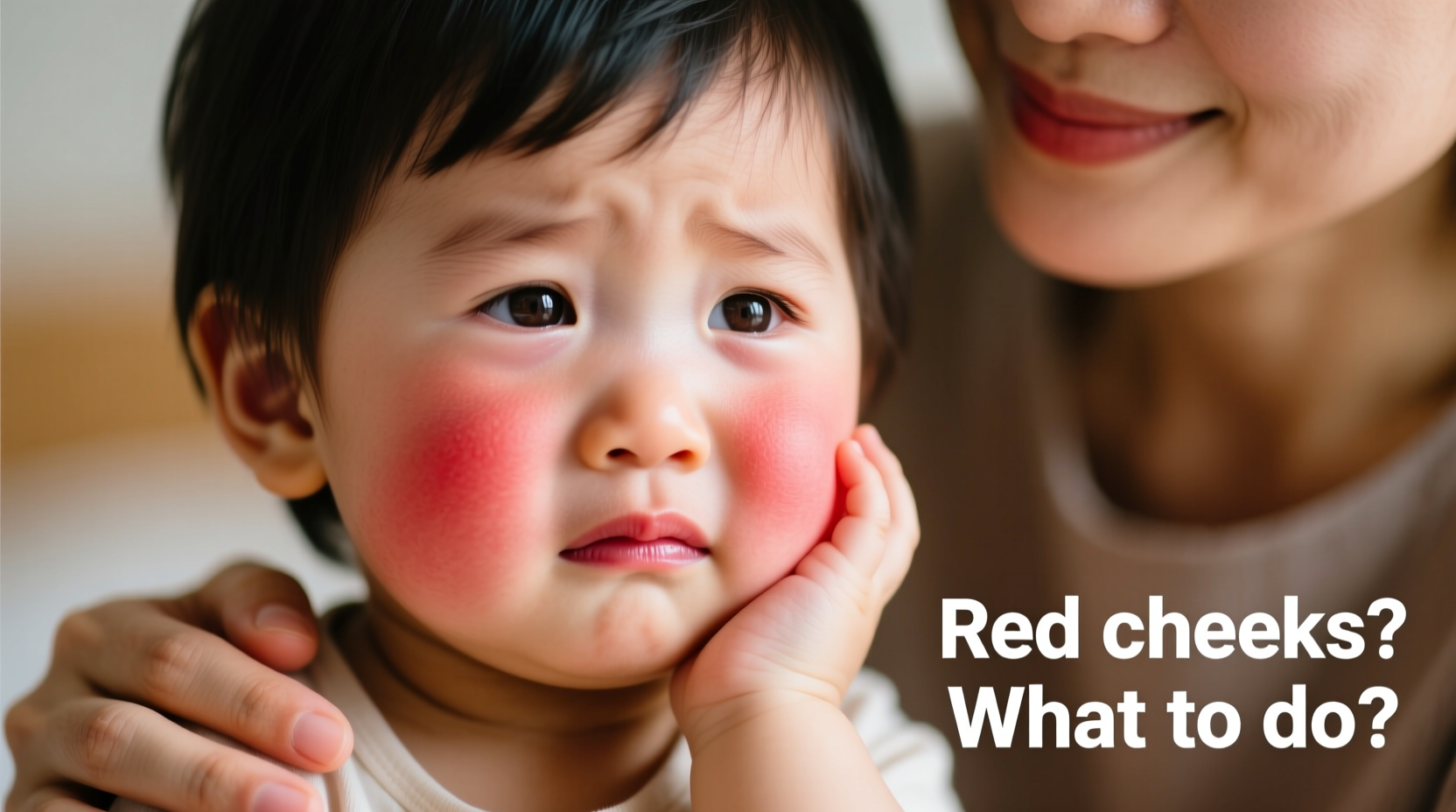
Red cheeks in children can stem from a variety of sources, ranging from benign reactions to more serious conditions. Recognizing these causes is essential for determining whether home care is sufficient or if medical evaluation is needed.
- Environmental exposure: Cold weather, wind, or sunburn can irritate delicate facial skin, leading to temporary redness.
- Emotional responses: Crying, excitement, or embarrassment can increase blood flow to the face, causing transient flushing.
- Teething: Many infants develop rosy cheeks during teething due to increased saliva production and drooling, which can irritate the skin.
- Allergic reactions: Food allergies, contact with irritants (like soaps or detergents), or airborne allergens may trigger facial redness, often accompanied by other symptoms.
- Infections: Viral illnesses such as fifth disease (erythema infectiosum) present with bright red “slapped cheek” appearance.
- Skin conditions: Eczema, rosacea (rare in young children), and heat rash frequently affect the cheeks.
- Dietary factors: Consumption of spicy foods, citrus, or hot liquids may cause temporary flushing in sensitive children.
Symptoms That Accompany Red Cheeks
The presence of additional symptoms often provides critical clues about the underlying cause. Not all red cheeks require urgent intervention, but certain signs warrant closer monitoring.
| Cause | Associated Symptoms | Duration |
|---|---|---|
| Teething | Drooling, gum swelling, mild irritability, chewing on objects | Days to weeks, recurring |
| Fifth Disease | Fever, runny nose, headache, lacy rash on body after facial redness | 5–7 days |
| Eczema | Dry, itchy patches, flaking skin, possible oozing or crusting | Chronic, with flare-ups |
| Allergic Reaction | Hives, swelling, difficulty breathing, vomiting | Minutes to hours (urgent) |
| Heat Rash | Small bumps, sweating, discomfort in warm environments | Hours to days with cooling |
“Facial flushing in children should always be interpreted in context. A fever plus red cheeks likely indicates infection, while persistent dryness suggests dermatological involvement.” — Dr. Lena Patel, Pediatric Dermatologist
What to Do When Your Child Has Red Cheeks
In most cases, red cheeks resolve on their own with simple care. However, knowing how to respond based on the suspected cause ensures timely relief and prevents complications.
Step-by-Step Guide to Managing Red Cheeks
- Assess the situation: Note when the redness started, any recent activities, diet changes, or illness symptoms.
- Check for fever: Use a thermometer to rule out infection-related causes.
- Inspect the skin: Look for dryness, rash, swelling, or warmth to the touch.
- Remove potential irritants: Switch to fragrance-free laundry detergent, avoid new skincare products, and ensure clothing is soft and non-abrasive.
- Moisturize gently: Apply a hypoallergenic, pediatrician-approved moisturizer if skin appears dry or irritated.
- Cool the area: Use a soft, damp cloth to soothe overheated or inflamed cheeks—avoid ice directly on skin.
- Monitor progression: Track whether redness improves or spreads over 24–48 hours.
When to Seek Medical Attention
While many cases of red cheeks are self-limiting, some situations demand prompt medical evaluation. Parents should act quickly if any of the following occur:
- Bright red cheeks combined with high fever or lethargy
- Swelling of the lips, eyes, or tongue
- Difficulty breathing, wheezing, or hives spreading beyond the face
- A lacy, red rash appearing on the torso and limbs after facial redness (possible fifth disease)
- Persistent redness lasting more than a week without improvement
- Open sores, oozing, or signs of infection (yellow crusting, pus)
Fifth disease, caused by parvovirus B19, typically begins with bright red cheeks resembling a \"slapped face,\" followed by a net-like rash on the arms and legs. It is usually mild in healthy children but can pose risks for pregnant women or those with certain blood disorders.
Mini Case Study: Emma, Age 18 Months
Emma’s parents noticed her cheeks were unusually red one morning. She had been drooling heavily and gnawing on toys for days. There was no fever, rash, or change in behavior. They reviewed her routine and realized she was cutting two molars simultaneously. After applying a thin layer of petroleum jelly to protect her skin and wiping drool gently with a soft cloth, the redness subsided within three days. No medication was needed—just consistent hygiene and comfort measures.
Prevention and Long-Term Skin Care Tips
For children prone to facial redness, preventive strategies can reduce frequency and severity. These practices are especially helpful for kids with sensitive skin or chronic conditions like eczema.
📋 **Checklist: Daily Care for Sensitive Cheeks**- Use fragrance-free, dye-free baby wash and lotion
- Dress child in breathable, cotton layers during temperature extremes
- Apply sunscreen (SPF 30+) on exposed skin when outdoors
- Keep indoor humidity between 40–60% to prevent dry air irritation
- Avoid known food or environmental allergens if previously identified
- Trim fingernails regularly to minimize skin damage from scratching
During winter months, shield your child’s face from cold winds using a scarf or balaclava, but avoid wool directly against the skin. In summer, limit midday sun exposure and reapply sunscreen every two hours if outside.
FAQ
Can teething cause only one red cheek?
Yes, though less common. If redness is localized to one side, it may correlate with the location of emerging teeth. However, unilateral redness with fever could also indicate an ear infection—consult your pediatrician if in doubt.
Is it safe to use hydrocortisone cream on my child’s red cheeks?
Low-dose (1%) hydrocortisone can be used short-term for inflamed eczema under a doctor’s guidance. Never use it for undiagnosed rashes or viral infections like fifth disease, as it may worsen symptoms.
How long does fifth disease last in children?
The facial rash typically lasts 1–3 days, followed by a body rash that may come and go for up to three weeks, especially after baths or physical activity. Most children recover fully without treatment.
Conclusion
Red cheeks on your child are often a passing phase linked to growth, environment, or minor illness. By learning to distinguish between harmless flushing and signs of concern, caregivers can provide effective, calm responses. Simple actions—like gentle cleansing, moisturizing, and monitoring symptoms—go a long way in supporting your child’s comfort and skin health.




 浙公网安备
33010002000092号
浙公网安备
33010002000092号 浙B2-20120091-4
Comments
No comments yet. Why don't you start the discussion?