
Waking up to red, itchy bumps on your skin can be alarming and uncomfortable. Whether they appear suddenly or develop over time, these bumps can stem from a wide range of causes—from harmless insect bites to chronic skin conditions. Understanding the root cause is essential for effective treatment and long-term relief. This guide explores the most common reasons behind red itchy bumps, how to identify them, and practical steps you can take to soothe symptoms and prevent recurrence.
Common Causes of Red Itchy Bumps
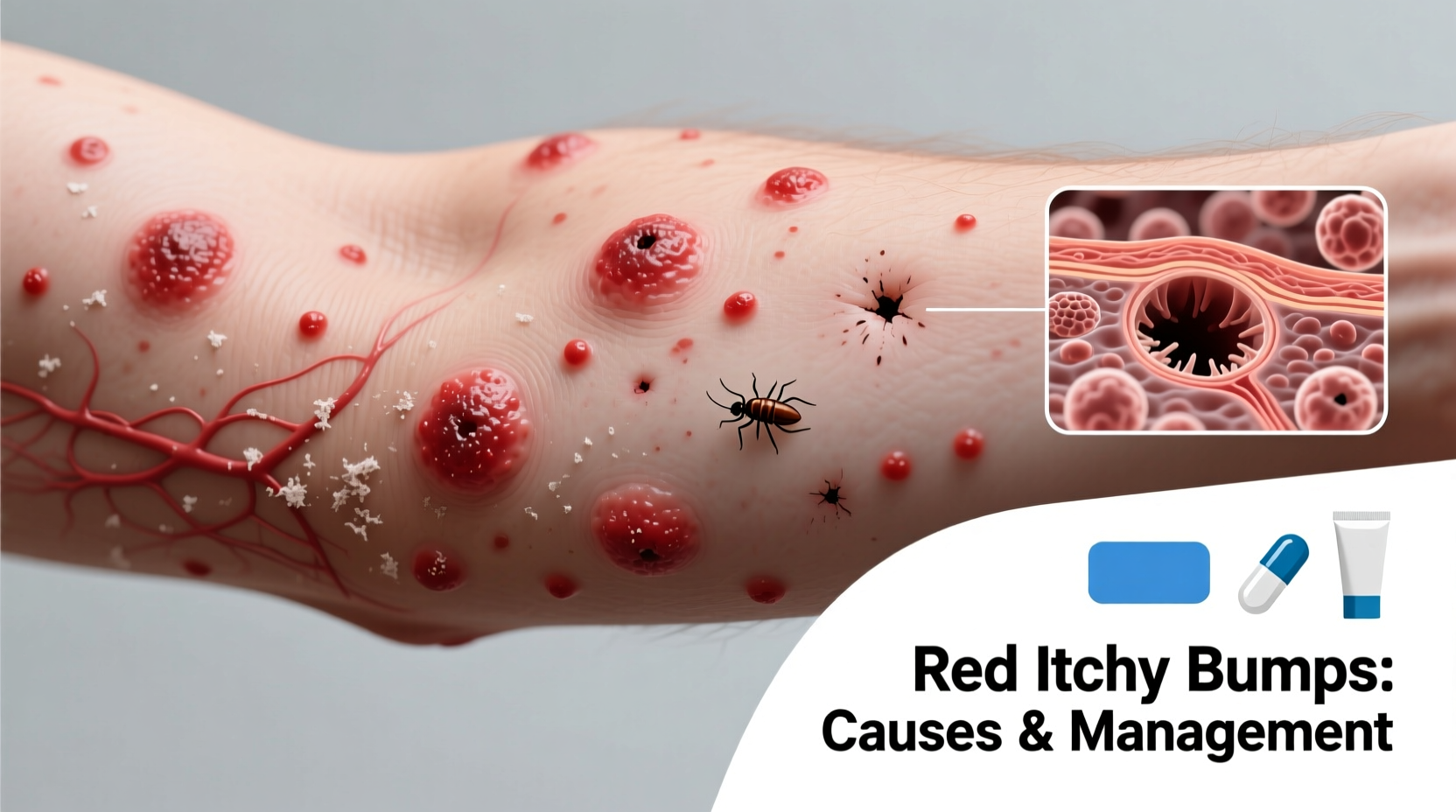
Itchy red bumps are rarely random. They usually signal an underlying reaction or condition. Below are some of the most frequent culprits:
- Insect bites: Mosquitoes, fleas, bed bugs, and mites can all leave behind raised, itchy welts. These often appear in clusters or linear patterns, especially at night.
- Allergic reactions: Contact with allergens such as poison ivy, certain soaps, detergents, or metals (like nickel) can trigger contact dermatitis—characterized by red, inflamed, itchy patches.
- Eczema (atopic dermatitis): A chronic condition causing dry, itchy skin with small red bumps that may ooze or crust when scratched.
- Hives (urticaria): Raised, pale-centered red welts that come and go rapidly, often due to food, medication, or stress-induced allergic responses.
- Fungal infections: Ringworm or candidiasis can cause circular, scaly, itchy rashes that spread if untreated.
- Heat rash (miliaria): Blocked sweat ducts lead to tiny red bumps, commonly in skin folds or areas covered by clothing during hot weather.
- Viral infections: Conditions like chickenpox, shingles, or molluscum contagiosum present with distinctive itchy bumps accompanied by other systemic symptoms.
How to Identify the Cause
Accurate identification starts with observation. Pay attention to the appearance, location, timing, and associated symptoms of the bumps:
| Cause | Appearance | Location | Other Clues |
|---|---|---|---|
| Insect bites | Small, round, swollen, sometimes with a central puncture | Exposed areas (arms, legs), or along waistbands/sock lines | Appear overnight; possible spotting of blood on sheets (bed bugs) |
| Contact dermatitis | Red, patchy, possibly blistering | Where skin touched irritant (hands, neck, wrists) | Recent use of new soap, jewelry, or cosmetic product |
| Eczema | Dry, cracked skin with small red bumps | Elbows, knees, face, hands | History of asthma or seasonal allergies; worsens with dry air |
| Hives | Pale pink or red raised welts | Anywhere on body; migratory | Sudden onset after eating certain foods or taking medication |
| Fungal infection | Ring-shaped, scaly, with clearer center | Armpits, groin, feet | Spreads outward; worsens in moisture |
“Skin reactions are often clues, not just symptoms. Mapping the pattern helps differentiate between allergy, infection, and chronic conditions.” — Dr. Lena Patel, Board-Certified Dermatologist
What You Can Do: Immediate Relief and Home Care
While identifying the cause takes time, immediate care can reduce discomfort and prevent complications like infection from scratching.
- Clean the area: Wash gently with lukewarm water and mild, fragrance-free soap to remove potential irritants.
- Apply a cold compress: Wrap ice in a cloth and hold it on the affected area for 10–15 minutes to reduce swelling and numb itching.
- Use over-the-counter treatments: Hydrocortisone cream (1%) can calm inflammation from eczema or allergic reactions. Calamine lotion or oral antihistamines (like cetirizine or diphenhydramine) help relieve itching.
- Avoid scratching: Trim nails and wear gloves at night if needed. Scratching breaks the skin, increasing infection risk.
- Maintain moisture: Apply a hypoallergenic moisturizer after bathing to support the skin barrier, especially for eczema-prone individuals.
When to See a Doctor
While many cases resolve at home, seek medical evaluation if you experience any of the following:
- Bumps spreading rapidly or covering large areas
- Signs of infection: pus, increasing pain, warmth, or fever
- No improvement after 7–10 days of self-care
- Difficulty breathing, swelling of the face, or dizziness (signs of anaphylaxis)
- Recurrent outbreaks without clear triggers
A healthcare provider may perform patch testing, blood work, or a skin scraping to confirm diagnoses like fungal infections, autoimmune disorders, or chronic allergies.
Prevention Checklist
Reducing flare-ups requires consistent habits. Use this checklist to minimize future occurrences:
- ✅ Switch to fragrance-free, hypoallergenic skincare and laundry products
- ✅ Wash new clothes before wearing to remove manufacturing residues
- ✅ Use insect repellent and check bedding regularly for signs of pests
- ✅ Keep skin moisturized, especially in winter or dry climates
- ✅ Avoid known allergens (e.g., latex, shellfish, pet dander) if previously reactive
- ✅ Wear loose, breathable clothing made of cotton
- ✅ Shower promptly after sweating or swimming
Real-Life Example: Sarah’s Reaction to New Laundry Detergent
Sarah, a 34-year-old teacher, noticed itchy red bumps appearing on her lower back and thighs two days after switching to a “natural” laundry detergent. At first, she assumed it was bug bites. But when the rash worsened and began peeling, she recalled that her husband—who used different detergent—had no symptoms. She stopped using the new product, washed all clothes again with a sensitive formula, and applied hydrocortisone cream. Within five days, the bumps faded completely. Her dermatologist confirmed it was contact dermatitis triggered by essential oils in the detergent, a common hidden irritant.
This case highlights how seemingly safe products can provoke strong reactions and why tracking product changes matters.
Step-by-Step Guide to Managing Itchy Bumps
Follow this sequence to address red, itchy bumps effectively:
- Document the outbreak: Note when bumps appeared, their location, and any recent changes in products, diet, or environment.
- Stop using potential irritants: Suspend new soaps, lotions, detergents, or medications until the cause is ruled out.
- Start gentle care: Cleanse, moisturize, and apply OTC anti-itch remedies as needed.
- Monitor progression: Track whether the rash improves, spreads, or changes in texture.
- Consult a professional: If unresolved in a week or accompanied by systemic symptoms, schedule a dermatology visit.
Frequently Asked Questions
Can stress cause red itchy bumps?
Yes. Stress doesn’t directly cause rashes but can trigger or worsen conditions like hives, eczema, and psoriasis by activating the immune system and increasing inflammation.
Are red itchy bumps contagious?
It depends on the cause. Infections like scabies, ringworm, or chickenpox are contagious. Allergic reactions, eczema, and hives are not.
Should I pop or drain the bumps?
No. Popping increases the risk of infection and scarring. Let blisters heal naturally, and keep the area clean and protected.
Take Control of Your Skin Health
Red itchy bumps are more than just a nuisance—they’re signals from your body. By learning to interpret them, responding wisely, and adopting preventive habits, you can restore comfort and confidence in your skin. Don’t ignore persistent or recurring rashes; early action prevents escalation. Whether it’s switching a detergent, managing stress, or seeking expert advice, small steps lead to lasting improvements.




 浙公网安备
33010002000092号
浙公网安备
33010002000092号 浙B2-20120091-4
Comments
No comments yet. Why don't you start the discussion?