
At first glance, a keychain might seem like a simple accessory—its sole purpose being to hold keys together. But for many people, it’s more than that. It’s a personal item carried daily, often chosen with care, sometimes gifted, and occasionally imbued with meaning. One of the most noticeable features of any keychain is its color. And among the most eye-catching options is red. But does choosing a red keychain over blue, black, silver, or green actually make a difference? The answer isn’t as straightforward as it seems. While functionally identical, color can influence visibility, perception, emotion, and even safety in subtle but meaningful ways.
The Psychology of Color in Everyday Objects
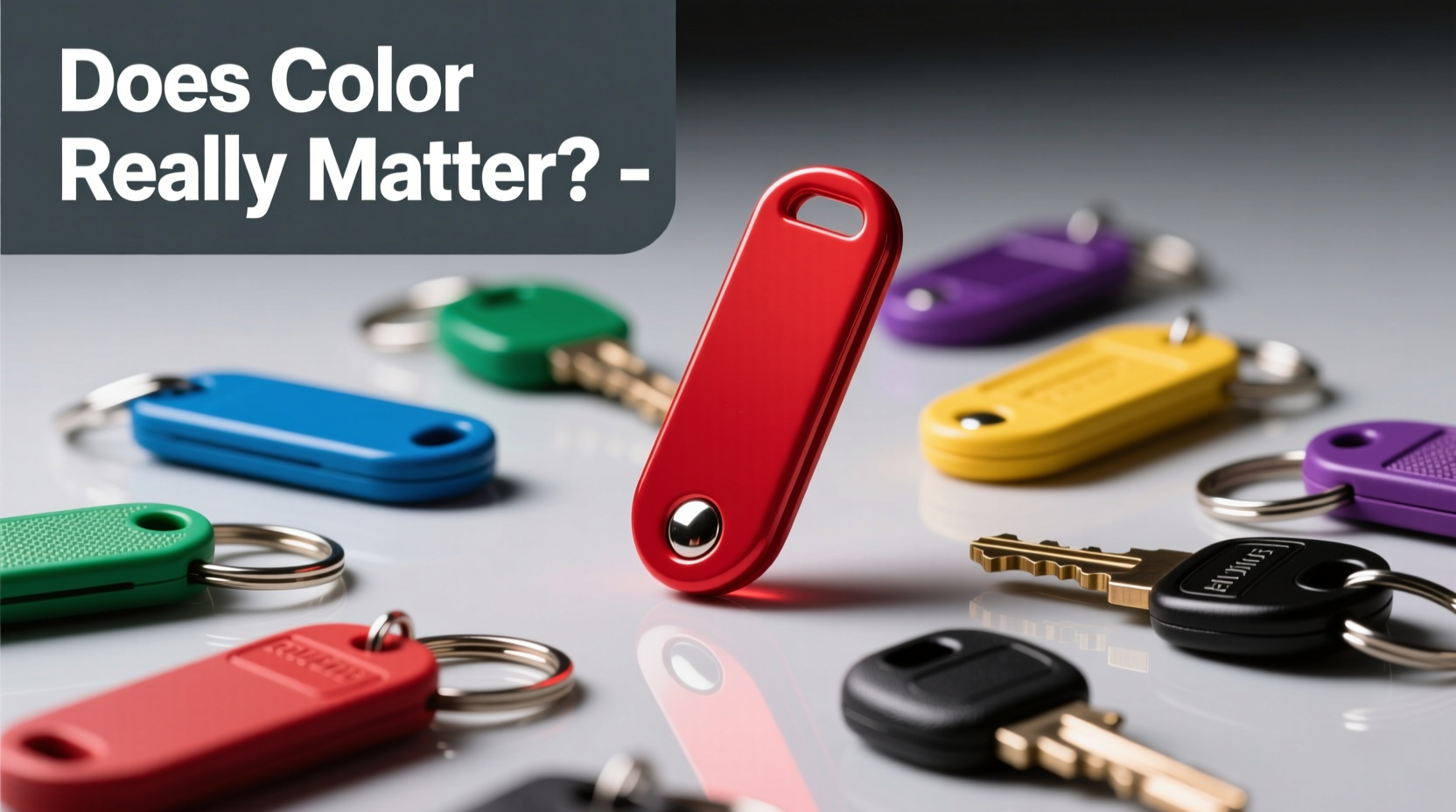
Color psychology studies how hues affect human behavior, mood, and decision-making. Even small items like keychains are not immune to these effects. Red, in particular, is associated with energy, urgency, passion, and attention. It’s the color of stop signs, fire trucks, and emergency alerts—designed to be seen quickly. In contrast, blue evokes calm and trust, black suggests sophistication or neutrality, and yellow signals caution or cheerfulness.
When applied to a keychain, these associations may not dictate performance, but they do shape experience. A red keychain might feel more “present” in your pocket or bag because your brain registers it as important or urgent. This subconscious cue could make you more aware of its location, reducing the chance of misplacing it.
“Color influences perception at a primal level. Even in mundane objects, we respond emotionally and instinctively to hue.” — Dr. Lena Torres, Cognitive Psychologist
Visibility and Practicality: Finding Your Keys Faster
One of the most tangible benefits of a red keychain is visibility. If you’ve ever fumbled through a cluttered bag searching for your keys, you know how frustrating it can be. Bright, warm colors like red, orange, and yellow stand out against neutral backgrounds—think dark pockets, gray backpacks, or beige car seats.
In low-light environments, red also retains better contrast than cooler tones like blue or green, which can blend into shadows. This makes retrieval faster and reduces stress during time-sensitive moments, like rushing to unlock a door in the rain.
Color Visibility Comparison Table
| Color | Visibility in Daylight | Visibility in Low Light | Tendency to Blend With |
|---|---|---|---|
| Red | Excellent | Good | Bright red fabrics, warning labels |
| Blue | Good | Fair | Clothing, denim, sky |
| Black | Poor | Poor | Shadows, dark surfaces |
| Silver/Metallic | Fair | Fair | Keys, zippers, hardware |
| Yellow | Excellent | Good | Highlighters, caution tape |
Symbolism and Personal Meaning
Beyond utility, keychains often carry emotional weight. A red keychain might symbolize love, courage, or national pride (as seen with charity ribbons or sports team gear). Some people choose red to honor a cause—like heart disease awareness—or to represent boldness in their personality.
In contrast, someone might opt for black to project minimalism or professionalism, or green to reflect environmental values. The choice becomes an extension of identity. While no scientific rule says a red keychain means you’re more passionate than someone with a blue one, the self-expression aspect matters. Wearing something that aligns with your mood or values can subtly boost confidence and satisfaction.
Mini Case Study: The Commuter Who Switched to Red
James, a software developer from Chicago, used a plain black keychain for years. He frequently misplaced his keys in his work tote, especially during morning commutes. After reading about color visibility, he switched to a bright red leather key fob. Within a week, he noticed he found his keys 30–50% faster. “It’s like my brain spots it before I even look,” he said. “I didn’t think color mattered until I tested it.”
Durability and Maintenance by Color
While color doesn’t affect structural durability, it can impact long-term appearance. Red dyes, especially on fabric or silicone keychains, may fade faster under UV exposure compared to darker or neutral tones. Black and navy tend to hide dirt well, while white and bright red show scuffs and grime more easily.
Leather keychains, regardless of dye, benefit from conditioning, but red-dyed leather may reveal wear at the edges sooner due to contrast. Metal finishes in red enamel require gentle handling to avoid chipping.
- Red fabric: Prone to fading in sunlight
- Red silicone: Resistant to water but may stain from oils
- Painted metal: Susceptible to scratches revealing base metal
- Leather: Ages beautifully, but red shows edge wear faster than black
When Color Might Actually Matter: Safety and Identification
In specific scenarios, color transcends preference and becomes functional. Emergency responders, for example, often recommend attaching a brightly colored tag to house keys so they can be easily identified if dropped during a crisis. Red is ideal here because it stands out in grass, gravel, or snow.
Parents may assign different colored keychains to children for easy identification. Schools and daycare centers sometimes use color-coded systems for belongings. In group travel, red keychains help members spot each other’s gear quickly on shared tables or airport carousels.
Moreover, some organizations issue red keychains as symbols of membership or support—such as heart health foundations or political campaigns. In those cases, the color is part of the message.
Step-by-Step Guide: Choosing the Right Keychain Color
- Assess your environment: Do you carry a dark bag or wear dark clothing? Choose a contrasting color like red, yellow, or white.
- Consider usage: Frequent travelers may benefit from high-visibility colors; office workers might prefer subtlety.
- Evaluate maintenance: Are you willing to clean or replace a keychain that shows wear?
- Reflect personal meaning: Does a certain color resonate with your values or memories?
- Test it: Borrow or buy a red keychain for two weeks and compare retrieval speed and satisfaction.
Checklist: Is a Red Keychain Right for You?
- ☑ You often lose keys in bags or pockets
- ☑ You value quick access and efficiency
- ☑ You want a pop of personality in your everyday carry
- ☑ You support a cause associated with red (e.g., heart health)
- ☑ You don’t mind occasional cleaning to maintain appearance
- ☑ You spend time outdoors where visibility matters
FAQ
Can the color of a keychain affect how secure it feels?
Not directly in terms of physical security, but psychologically, a visible keychain like red may make you more aware of its presence, reducing the chance of leaving it behind or having it stolen unnoticed.
Are red keychains more popular than other colors?
No definitive data exists, but market trends suggest black and silver dominate due to neutrality. Red remains a niche favorite for those prioritizing visibility or symbolism.
Do certain professions prefer specific keychain colors?
Some do. First responders, outdoor guides, and educators often choose bright colors for quick identification. Corporate professionals may lean toward black or metallic tones for a polished look.
Conclusion
The debate between a red keychain and other colors ultimately comes down to intent. Functionally, all keychains serve the same purpose. But when you factor in visibility, emotion, identity, and situational usefulness, color begins to matter more than expected. Red excels in alertness and recognition, making it a smart choice for anyone who values speed and presence. Other colors offer subtlety, durability, or alignment with personal style. There’s no universal best—only what works best for you.




 浙公网安备
33010002000092号
浙公网安备
33010002000092号 浙B2-20120091-4
Comments
No comments yet. Why don't you start the discussion?