
Finding red in your stool can be alarming. It's easy to jump to worst-case scenarios, but the truth is that red-colored bowel movements have a wide range of causes — many of which are harmless. From eating a beet salad to more serious gastrointestinal issues, understanding what might be behind red stool is key to knowing when to relax and when to seek medical help.
This guide breaks down the most common reasons for red poop, how to distinguish between benign and dangerous causes, and what steps to take next. Whether you're dealing with a one-time occurrence or recurring discoloration, this information will help you make informed decisions about your health.
Dietary Causes of Red Stool
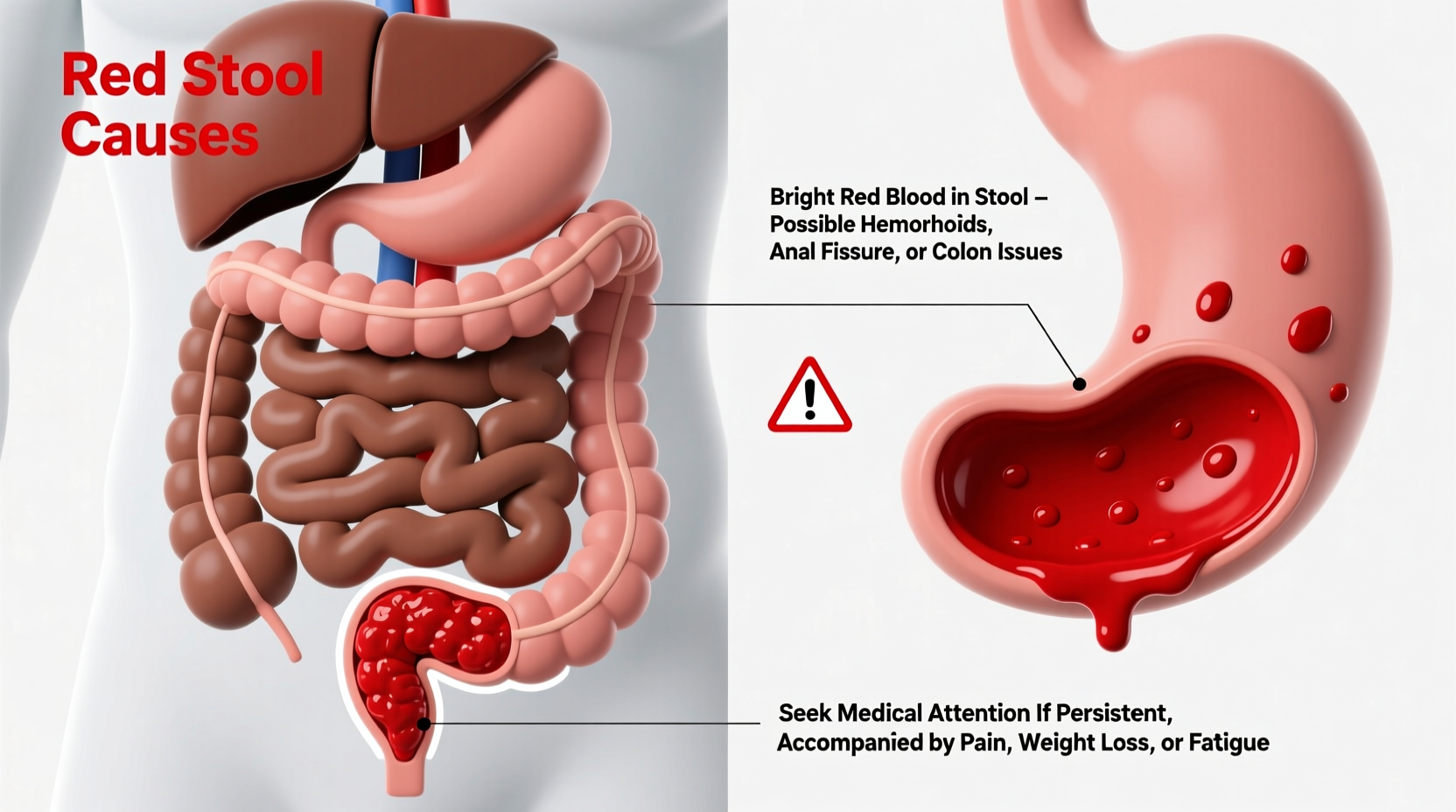
One of the most frequent—and least concerning—reasons for red stool is food. Certain pigments in what you eat can pass through your digestive tract without being fully broken down, resulting in temporary color changes.
- Beets: Known for causing \"beeturia,\" beets contain betacyanin, a pigment that can turn urine and stool pink or red.
- Tomato-based sauces: Large quantities of tomato paste or juice may tint stool due to their deep red color.
- Red gelatin, candies, or drinks: Artificial dyes like Red 40 are notorious for altering stool color.
- Cherries, cranberries, and red peppers: These foods may contribute to reddish hues, especially if consumed in excess.
The key indicator that food is the culprit? The change is temporary and resolves within a day or two after eliminating the food from your diet. Additionally, the red color tends to be evenly mixed throughout the stool rather than appearing as bright streaks or clots.
Medications and Supplements That May Cause Reddish Stool
Some over-the-counter and prescription medications contain dyes or compounds that affect stool color. While not harmful themselves, they can mimic signs of bleeding.
“Many patients come in worried about blood in their stool, only to find it was caused by a supplement they didn’t think twice about.” — Dr. Lena Torres, Gastroenterologist
Common examples include:
- Bismuth subsalicylate (Pepto-Bismol): Though typically linked to black stool, in rare cases it can cause unusual discoloration.
- Iron supplements: Often darken stool to black or greenish-black, but interactions with other substances may create reddish tints.
- Laxatives with red dye: Some liquid or chewable forms use artificial coloring.
- Antipsychotics and antihistamines: Certain formulations contain red pigments that survive digestion.
If you've recently started a new medication or increased dosage, review the ingredient list for potential dyes. Discontinuing the product (under medical supervision) can confirm whether it’s responsible.
When Red Stool Signals a Medical Condition
While diet and meds explain many cases, red stool can also indicate internal bleeding in the lower gastrointestinal tract. Blood that appears bright red usually originates in the rectum, colon, or anus—areas close to the exit point.
Common medical causes include:
| Condition | Description | Additional Symptoms |
|---|---|---|
| Hemorrhoids | Swollen veins in the rectum or anus that may bleed during bowel movements. | Itching, pain, lump near anus, streaks of blood on toilet paper. |
| Anal fissures | Small tears in the anal lining, often from passing hard stools. | Sharp pain during defecation, bright red drops in toilet bowl. |
| Diverticulosis/Diverticulitis | Pouches in the colon wall that can bleed or become inflamed. | Abdominal pain (usually left side), fever, bloating. |
| Inflammatory Bowel Disease (IBD) | Includes Crohn’s disease and ulcerative colitis; causes chronic gut inflammation. | Diarrhea, weight loss, fatigue, cramping. |
| Colorectal polyps or cancer | Abnormal growths that may bleed slowly over time. | Change in bowel habits, unexplained weight loss, family history. |
Unlike food-related red stool, bleeding typically presents with:
- Blood that coats the outside of the stool
- Drops or splashes of blood in the toilet bowl
- Intermittent bleeding over several bowel movements
- Accompanying symptoms like pain, fatigue, or dizziness
Real Example: A Case of Misdiagnosed Beeturia
Sarah, a 34-year-old teacher, noticed her stool turned bright red after a weekend cookout where she ate grilled vegetables, including roasted beets. She initially panicked and scheduled an urgent doctor’s visit. After reviewing her diet and conducting a fecal occult blood test (which came back negative), her physician concluded it was beeturia. Sarah was advised to avoid beets for a few days and recheck. Her stool returned to normal, sparing her unnecessary colonoscopy.
This case highlights how easily benign causes can be mistaken for serious ones—and why tracking diet and symptoms matters.
When to Worry: Warning Signs Requiring Medical Attention
Not all red stool requires emergency care, but certain red flags should never be ignored. Seek prompt medical evaluation if you experience any of the following:
- Persistent red stool: Lasting more than two days without dietary explanation.
- Large amounts of blood: Pooling in the toilet or requiring multiple wipes.
- Black, tarry stools: Indicates upper GI bleeding (e.g., stomach ulcers).
- Abdominal pain, fever, or vomiting: Suggests infection or inflammation.
- Dizziness, weakness, or shortness of breath: Possible sign of significant blood loss.
- Family history of colorectal cancer: Increases risk and warrants earlier screening.
Individuals over age 45—or those with risk factors such as IBD or genetic syndromes—should undergo regular colorectal screening regardless of symptoms.
Step-by-Step: What to Do If You Notice Red Stool
Follow this practical timeline to assess and respond appropriately:
- Day 1 – Observe and Record: Note the color, consistency, and pattern. Take mental or written notes on recent meals, medications, and bowel habits.
- Day 2 – Eliminate Suspect Foods: Avoid beets, tomatoes, red dyes, and alcohol. Stick to bland foods like rice, bananas, and toast.
- Day 3 – Reassess: If stool returns to normal, likely cause was dietary. If still red, consider OTC medication effects.
- Day 4 – Contact Healthcare Provider: Especially if bleeding continues, even without pain. Request a fecal occult blood test or referral to a gastroenterologist.
- Within 1 Week – Diagnostic Testing (if needed): Depending on risk factors, your doctor may recommend sigmoidoscopy, colonoscopy, or imaging.
Frequently Asked Questions
Is red stool always a sign of bleeding?
No. Many cases are due to food pigments or artificial dyes. However, because it’s impossible to visually confirm the presence of blood, any unexplained red stool should be evaluated by a professional.
Can hemorrhoids cause a lot of blood?
Yes. Hemorrhoids often produce bright red blood that drips into the toilet or stains toilet paper. While usually not dangerous, heavy or prolonged bleeding should be assessed to rule out other conditions.
Should I go to the ER for red stool?
Seek emergency care if you experience heavy bleeding, severe abdominal pain, lightheadedness, or vomiting blood. These could indicate serious gastrointestinal bleeding requiring immediate treatment.
Final Thoughts and Next Steps
Seeing red in your stool doesn't automatically mean something is wrong—but it does mean you should pay attention. Most causes are minor and resolve quickly. Yet because red stool can signal conditions ranging from hemorrhoids to colorectal cancer, dismissing it outright can be risky.
The best approach combines observation with proactive care. Track your diet, listen to your body, and don’t hesitate to reach out to a healthcare provider when in doubt. Early detection of serious conditions often leads to better outcomes, and even reassurance from a professional can bring peace of mind.




 浙公网安备
33010002000092号
浙公网安备
33010002000092号 浙B2-20120091-4
Comments
No comments yet. Why don't you start the discussion?