
Red root floaters (Phyllanthus fluitans) are among the most striking floating plants in the freshwater aquarium hobby. Their vibrant red undersides, delicate green foliage, and rapid growth make them a favorite for aquascapers seeking color and surface coverage. However, many aquarists struggle with sudden decline or complete die-off of their red root floaters. The good news is that most issues stem from predictable environmental imbalances—problems that can be diagnosed and corrected with proper care.
This guide breaks down the most common reasons red root floaters fail, offers practical troubleshooting steps, and provides a clear action plan to restore plant health. Whether you're dealing with browning leaves, sinking mats, or stunted growth, understanding the underlying causes is the first step toward a thriving floater colony.
Why Red Root Floaters Decline: Key Factors
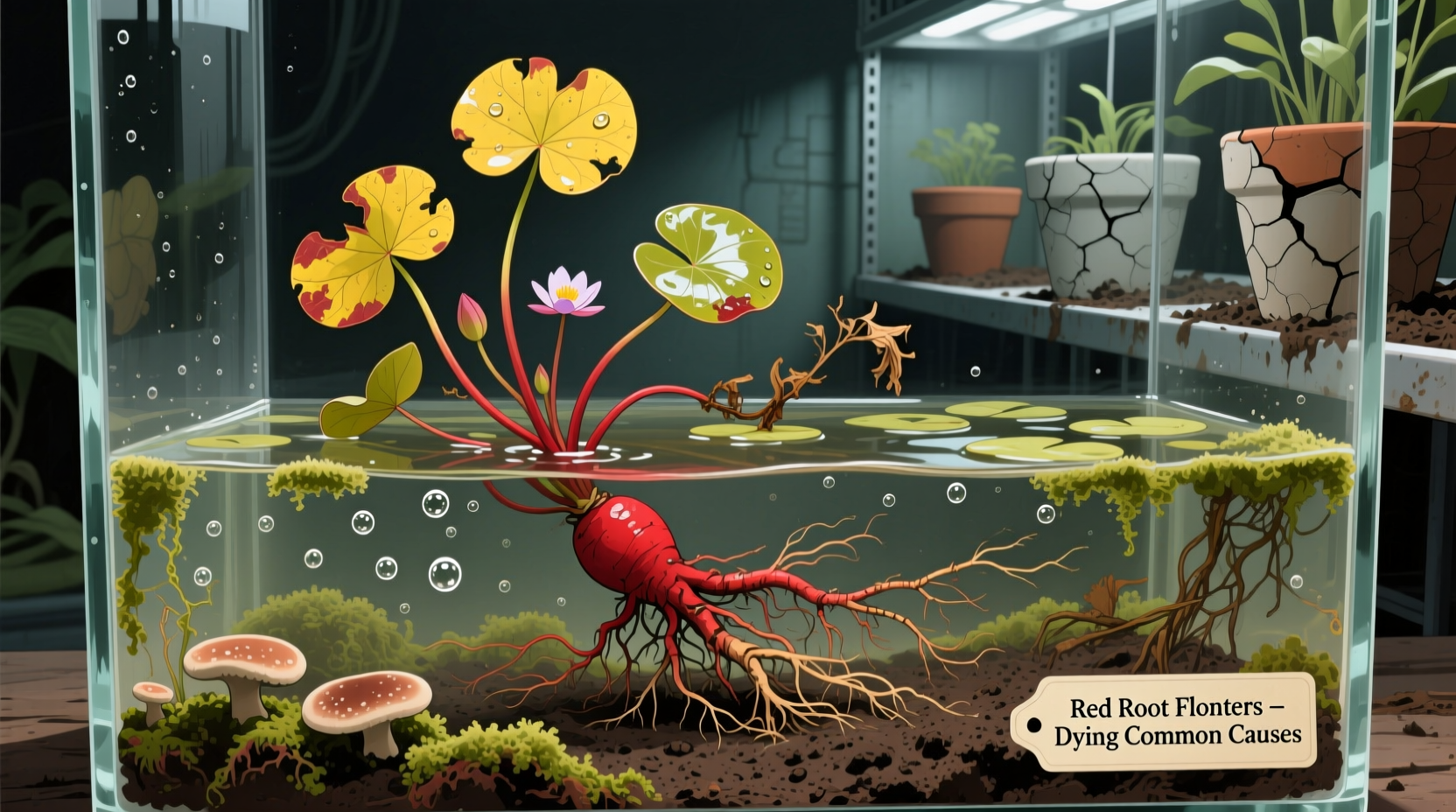
Unlike rooted aquarium plants, red root floaters absorb nutrients directly through their leaves and roots from the water column. This makes them highly responsive to changes in water quality, lighting, and nutrient availability. When conditions aren't optimal, they show stress quickly—often within days.
The primary culprits behind dying red root floaters include inadequate lighting, nutrient imbalance, poor water quality, overcrowding, and temperature fluctuations. Each of these factors plays a critical role in the plant’s metabolic processes.
Lighting: The Foundation of Floater Health
Red root floaters require strong, consistent light to develop their signature red pigmentation and maintain vigorous growth. Insufficient lighting leads to pale, leggy growth and eventual leaf drop. Conversely, too much direct light without acclimation can cause photobleaching or algae overgrowth on the leaves.
These plants thrive under full-spectrum LED lighting with a photoperiod of 8–10 hours per day. Light intensity should be at least 50–70 PAR (Photosynthetically Active Radiation) at the water surface. If your tank is deeper than 18 inches, consider supplemental top lighting to ensure adequate penetration.
“Floaters live at the interface between air and water—they need bright light, but also stable CO₂ and nutrient access.” — Dr. Lena Torres, Aquatic Botanist
Nutrient Imbalance: Too Little or Too Much?
While red root floaters are efficient nutrient scavengers, they still require a balanced supply of macronutrients (nitrogen, phosphorus, potassium) and micronutrients (iron, magnesium, manganese). A deficiency in iron, for example, results in yellowing new growth, while excess phosphate can trigger algae blooms that smother the plants.
Because floaters grow rapidly, they deplete nutrients quickly. In low-tech tanks without fertilization, nutrient exhaustion is common within weeks. On the flip side, over-fertilizing—especially with nitrogen-rich compounds—can lead to ammonia spikes or algal competition.
Water Quality and Stability
Red root floaters prefer clean, stable water conditions. They are sensitive to sudden shifts in pH, hardness, and especially ammonia and nitrite levels. Tap water treated with chloramine can be harmful if not properly conditioned. Additionally, organic buildup from fish waste or decaying matter increases bacterial load, which competes with plants for oxygen and nutrients.
Regular partial water changes (20–30% weekly) help maintain clarity and prevent toxin accumulation. Use a liquid test kit to monitor key parameters:
| Parameter | Optimal Range | Problem if Outside Range |
|---|---|---|
| pH | 6.0 – 7.5 | Below 6.0: Nutrient lockout; Above 7.5: Poor iron uptake |
| Temperature | 72°F – 82°F (22°C – 28°C) | Cooler temps slow growth; above 84°F risks melting |
| Nitrate (NO₃⁻) | 10 – 30 ppm | Too low: Stunted growth; too high: Algae dominance |
| Phosphate (PO₄³⁻) | 0.5 – 2.0 ppm | Deficiency: Yellowing; Excess: Blue-green algae |
| Iron (Fe) | 0.1 – 0.5 ppm | Deficiency: Pale new leaves; critical for red pigmentation |
Step-by-Step Guide to Revive Dying Red Root Floaters
If your red root floaters are showing signs of distress—browning, sinking, or disintegration—follow this recovery protocol:
- Isolate and Inspect: Remove severely damaged plants to prevent decay from spreading. Healthy specimens should have firm, green upper leaves and reddish roots.
- Test Water Parameters: Check pH, nitrate, phosphate, and iron. Correct imbalances gradually—avoid drastic changes.
- Adjust Lighting: Ensure 8–10 hours of bright, full-spectrum light. Consider adding a timer for consistency.
- Begin Targeted Fertilization: Use a comprehensive liquid fertilizer with chelated iron. Dose at half-strength every other day for one week, then resume regular dosing.
- Perform Water Changes: Replace 25% of tank water with dechlorinated water. Repeat every 3–4 days for two weeks.
- Reduce Surface Agitation: Excessive bubbling can submerge floaters. Lower filter output slightly to allow plants to rest at the surface.
- Monitor Daily: Look for new growth or improved coloration. Recovery typically begins within 7–10 days.
Common Mistakes That Kill Red Root Floaters
- Overstocking the surface: Dense mats block light to lower plants and reduce gas exchange, leading to oxygen depletion.
- Ignoring CO₂ levels: While not required, supplemental CO₂ dramatically improves growth and color. In high-light tanks without CO₂, plants struggle.
- Using tap water without testing: Chloramine, heavy metals, or incorrect pH can shock sensitive floaters.
- Adding too many at once: Sudden biomass increase disrupts nutrient balance and filtration capacity.
- Letting algae take over: Hair algae or biofilm coats leaves, blocking light and respiration.
Mini Case Study: Recovering a Melting Colony
A hobbyist in Austin introduced a clump of red root floaters into a 30-gallon community tank with moderate LED lighting and no CO₂ injection. Within five days, the plants turned brown and began sinking. Water tests revealed 0 ppm nitrate and undetectable iron.
The owner implemented a recovery plan: added a liquid all-in-one fertilizer with iron, upgraded to a higher-output LED fixture, and began 25% weekly water changes using remineralized RO water. By day 12, new green shoots appeared. By week 4, the colony had doubled in size with vivid red roots. The key was addressing both nutrient deficiency and marginal lighting simultaneously.
Preventative Care Checklist
To keep red root floaters healthy long-term, follow this routine:
- ✅ Test water weekly for nitrate, phosphate, and pH
- ✅ Dose liquid fertilizer 3 times per week (adjust based on growth)
- ✅ Maintain 8–10 hours of quality lighting daily
- ✅ Thin out dense mats every 7–10 days to allow light penetration
- ✅ Remove any decaying or submerged leaves promptly
- ✅ Keep surface agitation gentle but sufficient for gas exchange
- ✅ Acclimate new plants slowly over 2–3 days
Frequently Asked Questions
Why are my red root floaters turning brown?
Browning is usually caused by nutrient deficiency (especially nitrogen or potassium), insufficient light, or aging leaves. If only older leaves are affected, it may be natural senescence. If widespread, test water and adjust lighting or fertilization.
Can red root floaters survive in low-tech tanks?
Yes, but growth will be slower and red pigmentation less intense. Success depends on moderate lighting, regular nutrient supplementation, and stable water conditions. Avoid overcrowding to reduce competition.
How fast should red root floaters grow?
Under ideal conditions, they can double in mass every 7–10 days. Slower growth indicates suboptimal lighting, nutrients, or temperature. Consistent growth is a sign of plant health.
Final Thoughts: Sustainable Success with Red Root Floaters
Red root floaters are not inherently difficult—but they are responsive. Their condition reflects the overall health of your aquarium ecosystem. When they thrive, it’s a sign that lighting, nutrients, and water quality are in harmony. When they decline, they’re sending a clear signal that something needs adjustment.
The key to long-term success lies in consistency: consistent lighting schedules, regular water testing, thoughtful fertilization, and proactive maintenance. With attention to detail, these captivating plants can become a vibrant, self-sustaining part of your aquatic setup.




 浙公网安备
33010002000092号
浙公网安备
33010002000092号 浙B2-20120091-4
Comments
No comments yet. Why don't you start the discussion?