
For fans of the Boston Red Sox, the question isn’t just about tonight’s game—it’s about momentum, credibility, and whether this struggling season might finally be turning around. As they face off against the Tampa Bay Rays, a team known for consistency and smart roster management, the stakes feel higher than a typical mid-season series. The Rays have long been a thorn in Boston’s side, combining elite pitching with disciplined hitting and defensive precision. So when fans ask, “Is Boston actually gonna win this time?” the answer isn’t simple—but it’s worth unpacking.
This matchup isn’t just about wins and losses. It’s about identity. The Red Sox have shown flashes of brilliance—dominant outings from young pitchers, clutch hits from emerging hitters—but those moments are too often followed by baffling collapses or offensive droughts. Against a team like the Rays, who rarely beat themselves, Boston needs more than flashes. They need execution. They need focus. And most of all, they need proof that they can rise to the occasion—not just emotionally, but strategically.
Current Season Performance: A Tale of Two Teams
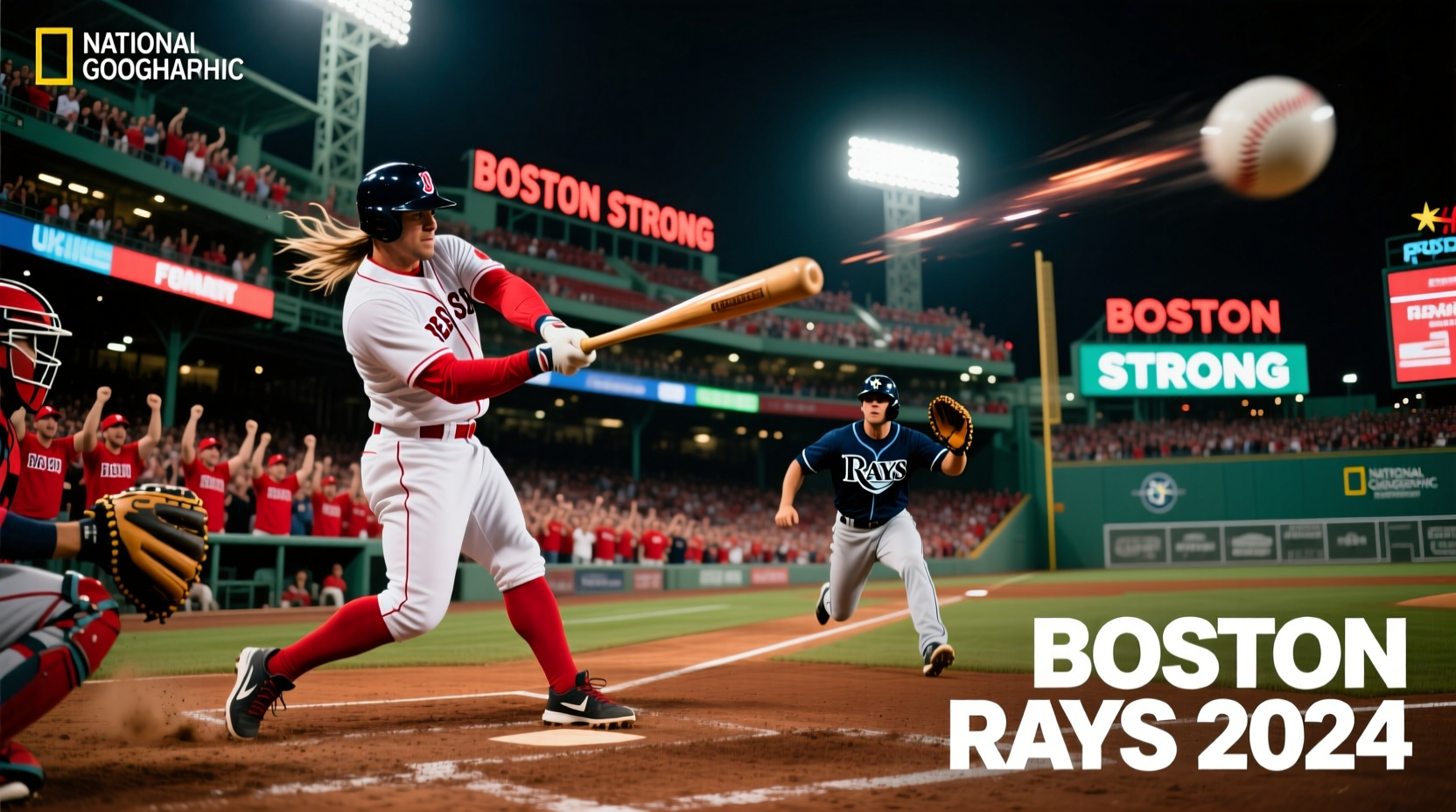
The 2024 season has painted a stark contrast between these AL East rivals. As of late June, the Rays sit comfortably above .500, maintaining a top-three position in the American League standings. Their formula remains unchanged: strong starting pitching, a deep bullpen, and an offense that capitalizes on opportunities rather than relying on brute power.
Boston, meanwhile, hovers near the .500 mark, held back by inconsistent starting rotation performances and an offense that ranks near the bottom of the league in on-base percentage. While they’ve shown improvement since the early months, their record against winning teams remains concerning—especially against divisional opponents like Tampa Bay.
| Metric | Boston Red Sox | Tampa Bay Rays |
|---|---|---|
| Win-Loss Record | 39–42 | 47–34 |
| Team ERA | 4.56 | 3.72 |
| Runs Per Game | 4.3 | 5.1 |
| OBP | .308 | .334 |
| Home Record | 22–19 | 25–15 |
| Head-to-Head (2024) | 2–5 | 5–2 |
The numbers don’t lie. Tampa Bay has been better across the board. But baseball, especially in a short series, is not decided solely by averages. Momentum, matchups, and even weather can shift the odds.
Key Matchups That Could Decide the Series
If Boston hopes to break their losing trend against the Rays, they’ll need to exploit specific weaknesses—and avoid falling into predictable patterns.
- Starting Pitching Edge: The Rays’ rotation, led by Zach Eflin and Shane Baz, has been stable. Boston’s starters, including Nick Pivetta and Tanner Houck, have struggled with command and high pitch counts. If Brayan Bello can deliver six strong innings in the series opener, it could set a positive tone.
- Bullpen Depth: Tampa’s pen, anchored by Jason Adam and Pete Fairbanks, ranks among the best in MLB. Boston’s relievers have improved but still lack late-inning consistency. One blown save could undo a hard-fought comeback.
- Offensive Strategy: The Red Sox must avoid chasing pitches out of the zone. Tampa’s starters thrive on inducing weak contact and walks. Patience at the plate—something Boston has lacked—is essential.
Historical Trends and Psychological Edge
Since 2020, the Rays have held a commanding advantage over the Red Sox in head-to-head matchups, winning 14 of the last 20 regular-season series. This isn’t just statistical dominance—it’s psychological. When Boston steps into Tropicana Field, they often look tentative, as if expecting failure.
Conversely, the Rays play with confidence against Boston, knowing they can outmaneuver them strategically. They use defensive shifts more effectively, manage pitch counts better, and rarely allow extra runs due to errors or mental lapses.
“Teams that win consistently aren’t always the most talented—they’re the ones who make fewer mistakes when it matters.” — Ben Hawkins, MLB Analyst, ESPN
That quote sums up the gap between these two franchises. The Rays may not have a superstar like Rafael Devers or Jarren Duran, but they have depth, discipline, and a culture of accountability. Boston, despite its payroll and pedigree, still struggles with consistency under pressure.
Can Boston Win? A Step-by-Step Breakdown
Yes—Boston *can* win. But it won’t happen by accident. Here’s what needs to go right for the Red Sox to finally turn the tide:
- Win the First Game: Historically, Boston has lost the opening game of most series against Tampa. Taking Game 1 would disrupt the Rays’ rhythm and boost Boston’s morale.
- Limit Walks and Errors: In their seven losses to the Rays this year, Boston averaged 4.1 walks and 1.3 errors per game. Clean, fundamental baseball is non-negotiable.
- Get Early Runs: Waiting until the 7th inning to score won’t cut it. The Red Sox need to pressure Tampa’s starter early, ideally in the first three innings.
- Use the Bench Wisely: Manager Alex Cora must resist over-relying on veterans in key spots. Right-handed pinch-hitters like Enmanuel Valdez could exploit lefty matchups late in games.
- Shut Down the Bottom of the Order: Containing the Rays’ 7th through 9th hitters—often overlooked but dangerous in rallies—is critical. No free passes, no lazy fly balls to shallow right.
Real Example: The May 12 Comeback That Almost Was
On May 12, 2024, at Fenway Park, the Red Sox trailed the Rays 5–1 entering the 8th inning. With two outs and nobody on, Wilyer Abreu singled, followed by a Christian Arroyo home run. Two more hits brought the tying run to the plate. The crowd roared. The momentum shifted.
But then, Tyler O’Neill swung at the first pitch—a slider low and away—and grounded out. The rally died. Final score: 5–4, Rays.
That moment encapsulates Boston’s season: flashes of fight, undermined by impatience and poor pitch selection. Had they worked deeper counts, drawn a walk, or forced a pitching change, the outcome might have changed. Instead, one swing erased hope.
Frequently Asked Questions
Why do the Red Sox struggle so much against the Rays?
The Rays excel at neutralizing Boston’s strengths. Their pitchers avoid middle-of-the-plate fastballs, instead mixing cutters, splitters, and well-located changeups. Defensively, they shift aggressively against Boston’s pull-heavy hitters. Plus, their calm, process-driven approach contrasts with Boston’s emotional swings—both on the field and in the clubhouse.
Who is Boston’s best chance to win a game in this series?
Garrett Crochet, acquired mid-season for his dominant left-handed relief, gives Boston a legitimate late-inning weapon. If used strategically—especially against lefty hitters like Yandy Díaz—he could shut down crucial innings. Offensively, Masataka Yoshida has quietly raised his average against Tampa to .320 this year, making him a dark-horse catalyst.
Does home field matter in this matchup?
Somewhat. Boston has a slightly better record at Fenway, where the Green Monster can turn soft line drives into doubles. However, the Rays have won multiple series in Boston over the past three seasons, proving they can adapt. Crowd energy helps, but it’s not a game-changer unless the team responds to it.
Final Verdict: Is Boston Actually Gonna Win This Time?
Predicting a single series is risky, but here’s the honest assessment: Boston has a realistic shot—if everything aligns. They need sharp starting pitching, timely hitting, and flawless defense. Most importantly, they need to believe they can win before the first pitch.
The Rays aren’t invincible. They’ve dealt with injuries to key players like Jonathan Aranda and have occasionally slumped offensively. If Boston seizes those openings and avoids self-inflicted wounds, a series victory is possible. Not probable—but possible.
And that’s progress. For a team that’s spent much of 2024 looking lost, even a narrow win over Tampa Bay could spark something bigger: confidence.




 浙公网安备
33010002000092号
浙公网安备
33010002000092号 浙B2-20120091-4
Comments
No comments yet. Why don't you start the discussion?