
Creating the right atmosphere at home isn’t just about lighting or decor—it’s deeply tied to scent. A well-chosen fragrance can transform a space from sterile to inviting, from stressful to serene. Two of the most popular ways to infuse your environment with lasting aroma are reed diffusers and wax melts. Both offer flame-free options (in most cases), continuous fragrance, and aesthetic appeal. But when it comes to crafting the perfect vibe, which method truly delivers? The answer depends on what you value: consistency, intensity, safety, or style.
The Scent Experience: How Each Method Delivers Fragrance
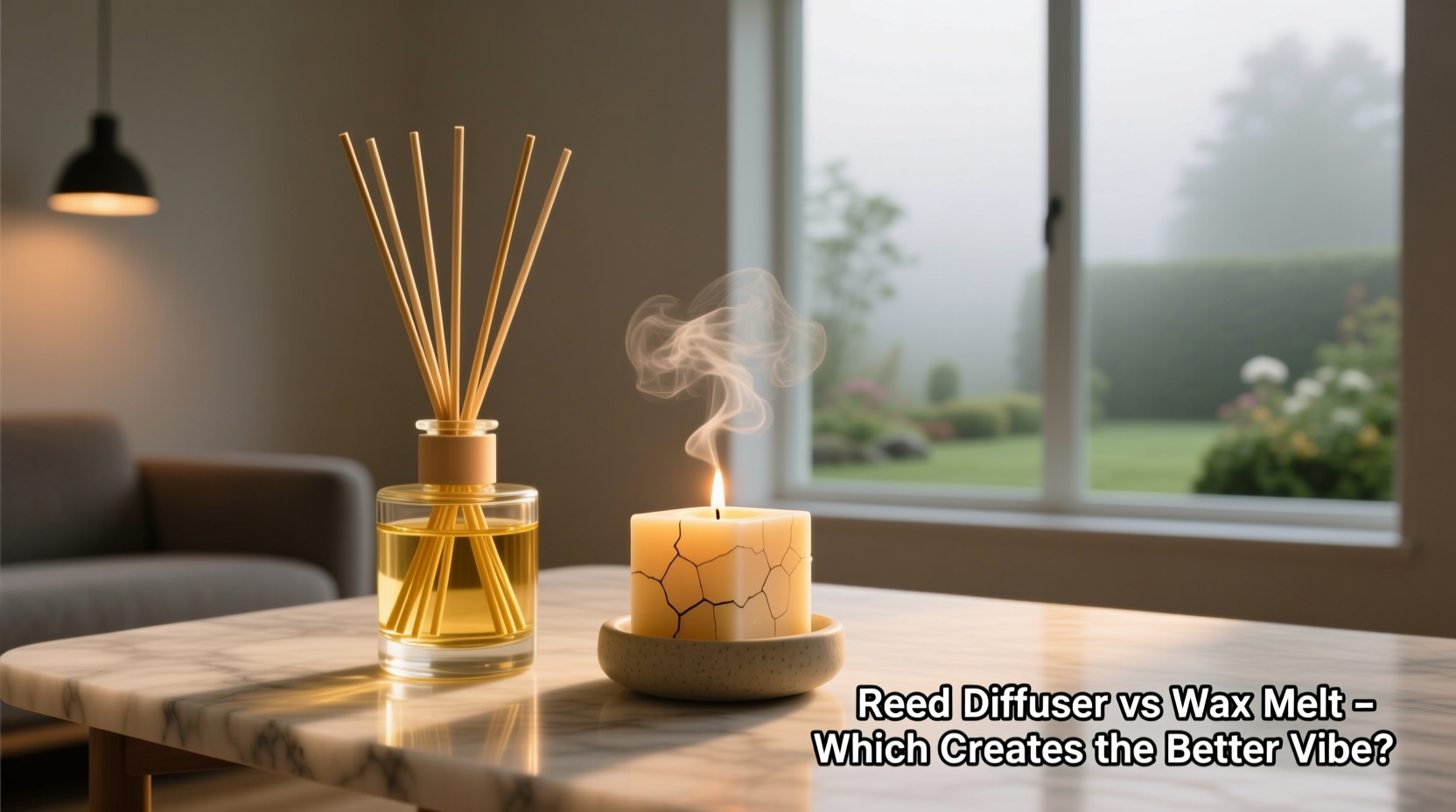
At their core, reed diffusers and wax melts operate on entirely different principles. Reed diffusers rely on capillary action—scented oil travels up through porous reeds and evaporates into the air. This creates a subtle, consistent background aroma that spreads gently over time. Because there’s no heat involved, the scent release is slow and passive, ideal for maintaining a soft olfactory presence in living rooms, bedrooms, or entryways.
Wax melts, on the other hand, require warmth to release their fragrance. Whether using an electric warmer or a tea light, heated wax begins to melt and emit concentrated bursts of scent. This method offers greater control over intensity—you can adjust how much wax is used or how long it’s warmed. As a result, wax melts often produce a stronger, more immediate impact, making them excellent for masking odors or quickly refreshing a space after cooking or guests.
“Fragrance strength isn’t always better. Sometimes, the most effective scents are those you barely notice—yet still influence mood and memory.” — Dr. Lena Patel, Environmental Psychologist
Comparing Key Factors: Safety, Longevity, and Maintenance
When choosing between these two fragrance systems, practical concerns matter as much as sensory ones. Here's a side-by-side comparison of essential factors:
| Factor | Reed Diffusers | Wax Melts |
|---|---|---|
| Safety | No heat required; safe around children and pets if oils are non-toxic | Requires heat source (flame or electric); potential burn/fire risk if unattended |
| Scent Longevity | 3–6 weeks per bottle depending on airflow and number of reeds | 8–20 hours per wax cube, depending on warmer type and usage |
| Maintenance | Flip reeds weekly; replace oil every few weeks | Remove old wax, clean dish, add new melt—each time |
| Fragrance Control | Low—continuous release, cannot be turned off | High—turn off warmer to stop scent instantly |
| Cost Efficiency | Higher upfront cost, slower consumption | Lower initial cost, but frequent replacement adds up |
While reed diffusers win in hands-off convenience and safety, wax melts offer flexibility and stronger scent throws. If you live in a household with curious pets or toddlers, eliminating open flames may make reed diffusers the smarter choice. Conversely, if you enjoy switching scents daily or hosting frequently, wax melts allow for dynamic changes without committing to weeks of the same fragrance.
Design and Atmosphere: Which One Enhances Your Space?
Beyond function, aesthetics play a crucial role in “vibe creation.” Reed diffusers come in minimalist glass bottles with natural rattan reeds, often doubling as decorative objects. Their understated elegance suits modern, boho, or Scandinavian interiors. Placed on a console table or bathroom vanity, they contribute to a calm, curated look.
Wax melt warmers vary widely in design—from vintage-style ceramic lamps to sleek LED electric units. Some double as nightlights or statement pieces. When lit, they cast a soft glow that enhances coziness, especially in dimly lit spaces. During evening gatherings, a melting wax tart can become part of the ambiance itself, emitting both fragrance and warmth.
Real-Life Scenario: Choosing Based on Lifestyle
Consider Sarah, a freelance writer who works from home. Her apartment doubles as her office, and she values focus and calm. She uses a sandalwood reed diffuser in her living room workspace because it emits a steady, unobtrusive scent that helps her concentrate. She doesn’t want sudden fragrance spikes disrupting her flow, nor does she want to remember to turn anything on or off.
Her friend James, who hosts dinner parties every weekend, prefers wax melts. He keeps a rotating collection of seasonal scents—cinnamon in winter, citrus in summer—and warms them only during events. He likes being able to match the fragrance to the menu and turn it off afterward so it doesn’t linger too long. For him, scent is part of hospitality, not background noise.
Their choices reflect different priorities: Sarah values consistency and simplicity; James wants control and impact. Neither is wrong—the best option aligns with personal rhythm and intention.
Step-by-Step Guide to Choosing the Right Option for You
- Assess your space: Is it large or small? Well-ventilated or enclosed? Large spaces may need multiple diffusers or strong melt fragrances.
- Evaluate safety needs: Do you have kids or pets? Opt for reed diffusers or electric warmers without exposed coils.
- Determine scent preference: Do you like subtle background notes or bold, noticeable aromas?
- Consider maintenance tolerance: Are you willing to clean wax dishes regularly, or do you prefer set-and-forget solutions?
- Match to your decor: Choose a style that complements your interior—minimalist reeds or ornate warmers.
- Test before committing: Try sample sizes of both to see how they perform in your actual environment.
Frequently Asked Questions
Can I reuse wax after it’s melted?
No, once the fragrance has dissipated from a wax melt, it won’t scent effectively again. However, some people repurpose used wax as fire starters or compost it if made from soy (check local guidelines).
Why does my reed diffuser stop smelling after a few weeks?
This is normal. Over time, the oil depletes and the reeds clog. Flip the reeds weekly to refresh output, and replace the entire set when scent fades completely. Dust buildup can also inhibit evaporation—wipe the bottle and reeds occasionally.
Are reed diffuser oils toxic to pets?
Some essential oils used in diffusers (like tea tree, citrus, or eucalyptus) can be harmful to cats and dogs if ingested or inhaled in high concentrations. Always check labels for pet-safe formulations and place diffusers out of reach.
Final Verdict: It’s About Intention, Not Superiority
There’s no definitive winner in the reed diffuser vs wax melts debate. One isn’t inherently better—it all hinges on how you want to experience scent in your life. Reed diffusers excel at providing a quiet, enduring fragrance backdrop ideal for everyday living. They’re elegant, safe, and require minimal effort. Wax melts shine when you want drama, versatility, and powerful scent bursts tailored to moments and moods.
The real secret to creating a vibe lies not in the tool, but in thoughtful use. Pair lavender reeds with soft linens for a spa-like bedroom retreat. Light a vanilla-cinnamon melt during holiday dinners to deepen warmth and welcome. Scent is emotional architecture—build it intentionally.




 浙公网安备
33010002000092号
浙公网安备
33010002000092号 浙B2-20120091-4
Comments
No comments yet. Why don't you start the discussion?