
In the height of summer, few dishes deliver instant refreshment like a well-made cucumber and tomato salad. Crisp cucumbers, juicy tomatoes, and a bright vinaigrette come together in minutes to create a side that complements grilled meats, sandwiches, or stands confidently on its own. This salad is more than just a mix of vegetables—it’s a study in balance, texture, and seasonal eating. With minimal ingredients and no cooking required, it exemplifies how simplicity in cooking can yield maximum flavor. Whether you're hosting a backyard barbecue or packing a light lunch, mastering this staple dish ensures you always have a go-to option that's healthy, vibrant, and universally appealing.
Definition & Overview
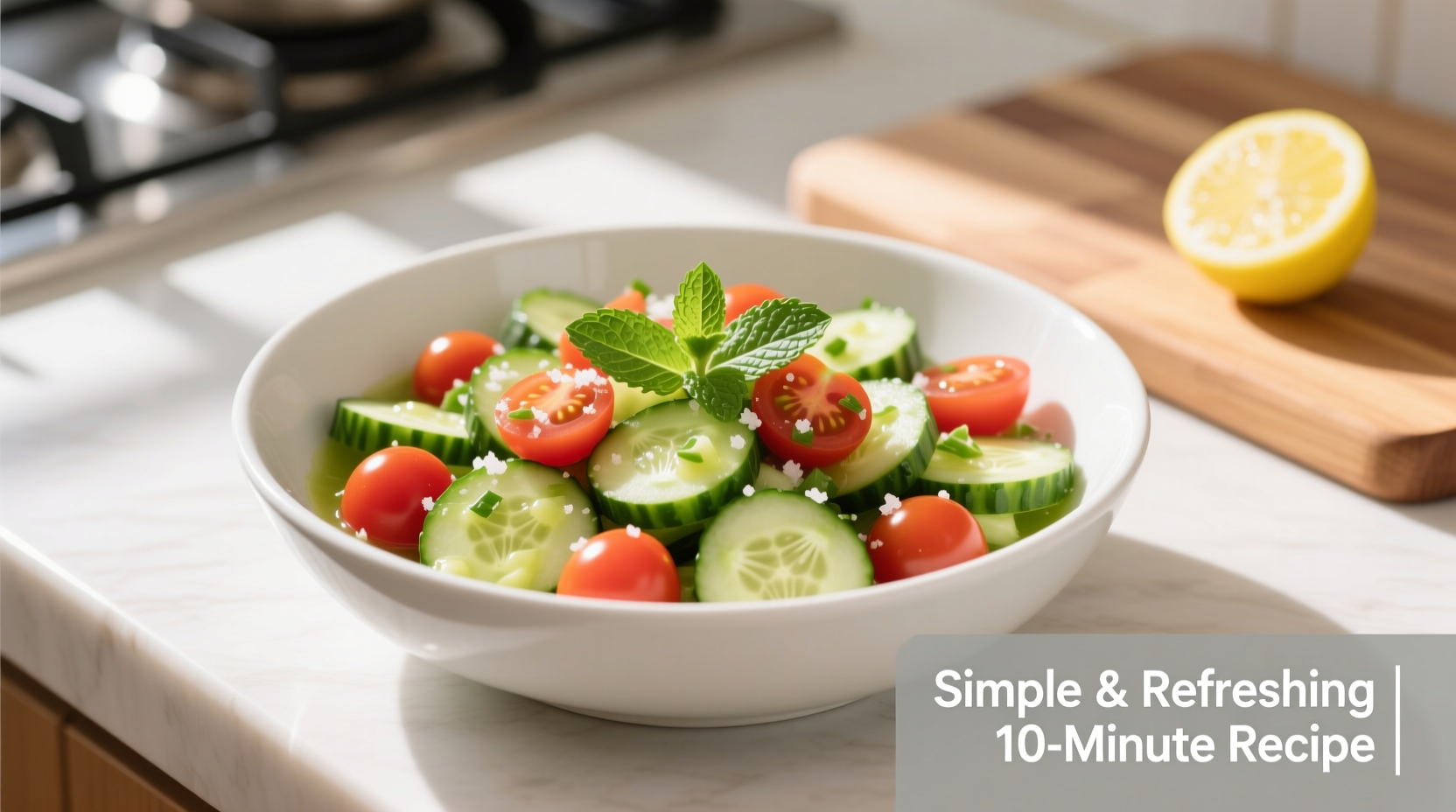
A cucumber and tomato salad is a raw vegetable preparation combining sliced or chopped cucumbers and tomatoes, typically dressed with olive oil, vinegar or lemon juice, salt, pepper, and often fresh herbs like parsley, dill, or basil. It belongs to the broader category of fresh salads known as ensaladas frescas in Mediterranean cuisine, salată de vinete-adjacent in Eastern Europe, and similar to Greek horiatiki (without the cheese). While variations exist globally, the core concept remains consistent: celebrate the natural freshness of ripe produce with minimal intervention.
The dish traces its roots to agrarian diets across Southern Europe, the Middle East, and North Africa, where cucumbers and tomatoes—both warm-season crops—grow abundantly during summer months. Historically, such salads were born from necessity: preserving peak-season flavors without refrigeration by consuming them immediately after harvest. Today, they remain emblematic of farm-to-table principles and are central to cuisines from Greece to Lebanon to Morocco.
Flavor-wise, the salad is defined by contrast: the cool, watery crunch of cucumber against the sweet-tart burst of ripe tomatoes. When seasoned properly, it becomes a harmonious blend of acidity, salinity, and herbal brightness. Its versatility allows it to function as an appetizer, a side dish, or even a light main when paired with grains or protein.
Key Characteristics
| Characteristic | Description |
|---|---|
| Flavor Profile | Fresh, bright, slightly tangy, subtly sweet from tomatoes, with herbal notes from additions like dill or mint. |
| Aroma | Clean and green; enhanced by crushed garlic, fresh herbs, and extra virgin olive oil. |
| Texture | Crisp cucumbers provide crunch; tomatoes offer soft juiciness. Together, they create a balanced mouthfeel. |
| Color | Vibrant reds and greens—deep crimson from tomatoes, pale green from cucumbers, flecks of dark green from herbs. |
| Heat Level | Mild unless spiced with red pepper flakes or raw onion, which can add gentle heat. |
| Culinary Function | Serves as a palate cleanser, side dish, or component in larger meals like mezze platters or grain bowls. |
| Shelf Life | Best consumed within 2–4 hours; can last up to 2 days refrigerated but loses crispness over time due to moisture release. |
Practical Usage: How to Make the Perfect Cucumber and Tomato Salad
The success of this salad hinges not on complexity, but on technique and ingredient quality. Follow these steps to ensure optimal flavor and texture every time.
- Select ripe, in-season produce: Choose firm, deeply colored tomatoes at peak ripeness—preferably vine-ripened heirlooms, beefsteak, or Roma varieties. For cucumbers, English (hothouse) or Persian types are ideal due to their thin skins and low seed count. Avoid waxed supermarket cucumbers if possible.
- Prep the vegetables properly: Wash and dry both vegetables thoroughly. Slice cucumbers into half-moons or quarter-inch rounds. Cut tomatoes into similar-sized chunks to ensure even distribution. If using large-seeded tomatoes like beefsteak, consider removing some seeds and gel to reduce excess moisture.
- Salt cucumbers ahead of time (optional but recommended): Place sliced cucumbers in a colander, sprinkle with kosher salt (about ½ tsp per medium cucumber), and let sit for 15–20 minutes. This draws out excess water, preventing a soggy salad. Rinse lightly and pat dry before use.
- Chop fresh herbs just before mixing: Dill, parsley, basil, or mint should be finely chopped and added at the end to preserve aroma and color. Use approximately 2 tablespoons per serving.
- Make a balanced dressing: In a small bowl, whisk together 3 parts extra virgin olive oil to 1 part acid (red wine vinegar, white wine vinegar, or lemon juice). Add minced garlic (¼ to ½ clove per serving), salt, freshly ground black pepper, and a pinch of sugar if needed to balance acidity. Taste and adjust.
- Combine gently and chill briefly: Toss vegetables and herbs in a large bowl, pour dressing over just before serving, and fold gently. Let rest in the refrigerator for 10–15 minutes to allow flavors to meld—but do not store long-term.
Pro Tip: For restaurant-quality texture, chill your serving bowl beforehand. Cold surfaces help maintain crispness and enhance the refreshing quality of the salad.
Pairing Suggestions
- Grilled proteins: Pairs exceptionally well with lamb chops, chicken kebabs, grilled fish, or falafel.
- Bread service: Serve alongside warm pita, crusty sourdough, or flatbreads to soak up leftover dressing.
- Breakfast/brunch: Complement feta omelets or shakshuka with a small portion for freshness.
- Meal prep twist: Fold into quinoa or farro bowls with chickpeas and olives for a hearty vegetarian lunch.
Variants & Types
While the base recipe remains consistent, regional and personal preferences have led to numerous adaptations. Each variant reflects local tastes, available ingredients, and culinary traditions.
1. Classic Mediterranean Style
Includes red onion, Kalamata olives, capers, and crumbled feta cheese. Dressed with red wine vinegar and oregano. Often called “Greek-style” though not always authentic to Greece.
2. Lebanese Fattoush-Inspired
Adds toasted pieces of pita bread and uses sumac in the dressing for a tangy, lemony note. May include radishes and lettuce for additional crunch.
3. Turkish Cacık Variation
Blends yogurt into the mix, turning it into a thicker, cooler dish similar to a salad-dip hybrid. Served chilled, often with mint and garlic.
4. Israeli Salad (Salat Katzutz)
Diced very finely (¼-inch cubes), includes bell pepper and sometimes scallions. Minimal oil, high emphasis on lemon juice and parsley. Eaten daily in homes and served at breakfast buffets.
5. Creamy Western Version
Uses mayonnaise or sour cream instead of vinaigrette. Common in American delis and picnic settings. Less refreshing but richer in mouthfeel.
| Variant | Key Ingredients | Best For |
|---|---|---|
| Classic Mediterranean | Feta, olives, red onion, oregano | Barbecues, mezze platters |
| Lebanese Fattoush-Style | Pita chips, sumac, radish | Crispy texture lovers, Middle Eastern spreads |
| Turkish Cacık-Type | Yogurt, garlic, mint | Hot climates, cooling side |
| Israeli Finely Diced | Bell pepper, lemon, parsley | Breakfast, quick snacks |
| Creamy Mayo-Based | Mayonnaise, celery (rarely) | Potlucks, cold sandwiches |
Comparison with Similar Ingredients/Dishes
This salad is often confused with other fresh vegetable preparations. Understanding the differences helps refine your culinary choices.
- vs. Caprese Salad: Caprese uses mozzarella, tomatoes, and basil with balsamic glaze. It lacks cucumber and emphasizes dairy and sweetness. Texture is softer, less acidic.
- vs. Gazpacho: Both use cucumber and tomato, but gazpacho is blended, chilled soup form. Requires more liquid and longer maceration. Not eaten with fork as a side.
- vs. Panzanella: An Italian bread salad that reclaims stale bread. Tomatoes and cucumbers may be included, but soaked bread dominates texture. More substantial, often includes anchovies or tuna.
- vs. Vinegar-Pickled Cucumbers: Pickles are preserved in vinegar brine for weeks. This salad uses raw vegetables with temporary marination. No fermentation involved.
“The best cucumber and tomato salad doesn’t need exotic ingredients—it needs attention. A minute spent salting cucumbers or zesting lemon into the dressing changes everything.” — Chef Liana Krissoff, author of *Canning for a New Generation*
Practical Tips & FAQs
How do I keep the salad from getting watery?
Excess moisture comes primarily from tomatoes and cucumbers. To minimize this:
- Salt cucumbers and drain before use.
- Remove tomato seeds and pulp if using large varieties.
- Dress the salad no more than 30 minutes before serving.
- Serve in a shallow bowl rather than deep container to prevent pooling.
Can I make it ahead of time?
Yes, but with caveats. Prepare all components separately: slice and drain cucumbers, chop tomatoes, make dressing, mince herbs. Store each in airtight containers in the fridge. Combine only when ready to serve. Do not pre-mix.
What type of vinegar works best?
Red wine vinegar offers a fruity tang ideal for Mediterranean profiles. White wine vinegar is milder. Apple cider vinegar adds subtle sweetness. Lemon juice provides the brightest finish. Avoid distilled white vinegar—it’s too harsh.
Is there a vegan alternative to feta?
Yes. Several brands now offer almond- or coconut-based feta alternatives that mimic the salty, crumbly texture. Alternatively, use marinated tofu cubes or omit entirely—the salad stands strong without cheese.
How much salt should I use?
Start with ¾ teaspoon kosher salt per pound of vegetables. Taste after dressing and adjust. Remember: feta and olives add saltiness, so reduce initial seasoning if including them later.
Can I add onions? Which kind?
Raw red or white onion adds bite and color. Soak sliced onions in ice water for 10 minutes to mellow their sharpness. Green onions or scallions offer a gentler flavor. Use about ¼ cup per serving.
Which herbs are non-negotiable?
No herb is mandatory, but dill and parsley elevate the dish most consistently. Dill brings a sweet-anise note perfect with cucumber; parsley adds freshness without overpowering. Basil pairs beautifully with tomatoes but wilts quickly. Mint works in Middle Eastern versions. Rotate based on season and cuisine.
Storage Guide: Store undressed components separately in sealed containers for up to 2 days. Once mixed and dressed, consume within 4 hours for optimal texture. After 24 hours, discard—especially if dairy or mayonnaise has been added.
Substitution Chart
| Ingredient | Good Substitute | Notes |
|---|---|---|
| English Cucumber | Persian cucumber | Same texture, smaller size |
| Tomatoes | Cherry tomatoes (halved) | Sweeter, less watery; no need to deseed |
| Extra Virgin Olive Oil | Avocado oil | Milder flavor, high smoke point not needed here |
| Red Wine Vinegar | Lemon juice or white wine vinegar | Lemon adds brightness; white wine vinegar is subtler |
| Fresh Dill | Fresh tarragon (½ amount) | Similar anise note; avoid dried dill if possible |
| Feta Cheese | Ricotta salata or goat cheese | Less salty options; ricotta salata is firmer |
Summary & Key Takeaways
A refreshing cucumber and tomato salad is one of the most accessible and rewarding dishes a home cook can master. Built on seasonal produce and fundamental seasoning techniques, it demonstrates how restraint and precision lead to exceptional results. The key lies not in adding more, but in doing less—better.
- Quality matters: Use ripe, in-season tomatoes and unwaxed cucumbers for the best flavor and texture.
- Prep smart: Salting cucumbers and draining tomatoes prevents sogginess and concentrates taste.
- Dress at the right time: Always dress shortly before serving to maintain crispness and vibrancy.
- Customize thoughtfully: Adapt the recipe to suit your meal—add feta for richness, herbs for aroma, or pita for crunch.
- Respect shelf life: This is a fresh dish meant for immediate enjoyment. Plan accordingly and avoid long storage.
Try this tonight: Combine 1 diced English cucumber, 2 cups chopped ripe tomatoes, ¼ cup thinly sliced red onion, 2 tbsp chopped fresh dill, and 2 tbsp chopped parsley. Whisk together 3 tbsp extra virgin olive oil, 1 tbsp red wine vinegar, 1 small minced garlic clove, ¾ tsp salt, and ¼ tsp black pepper. Toss, chill 10 minutes, and serve with grilled chicken or pita bread.
The enduring popularity of this salad speaks to its universal appeal: it’s nourishing, economical, and endlessly adaptable. By understanding its structure and science, you gain more than a recipe—you gain a template for improvisational cooking that honors the seasons and satisfies the senses.




 浙公网安备
33010002000092号
浙公网安备
33010002000092号 浙B2-20120091-4
Comments
No comments yet. Why don't you start the discussion?