
A puddle of water on your kitchen floor near the refrigerator is more than just a mess—it's a sign something’s wrong. While it might seem alarming, most cases of a leaking fridge are due to simple, fixable issues. Understanding the root causes can save you time, money, and prevent potential water damage. This guide breaks down the five most common reasons your refrigerator leaks water and provides practical, step-by-step solutions you can perform yourself—no technician required.
Clogged Defrost Drain: The Usual Culprit
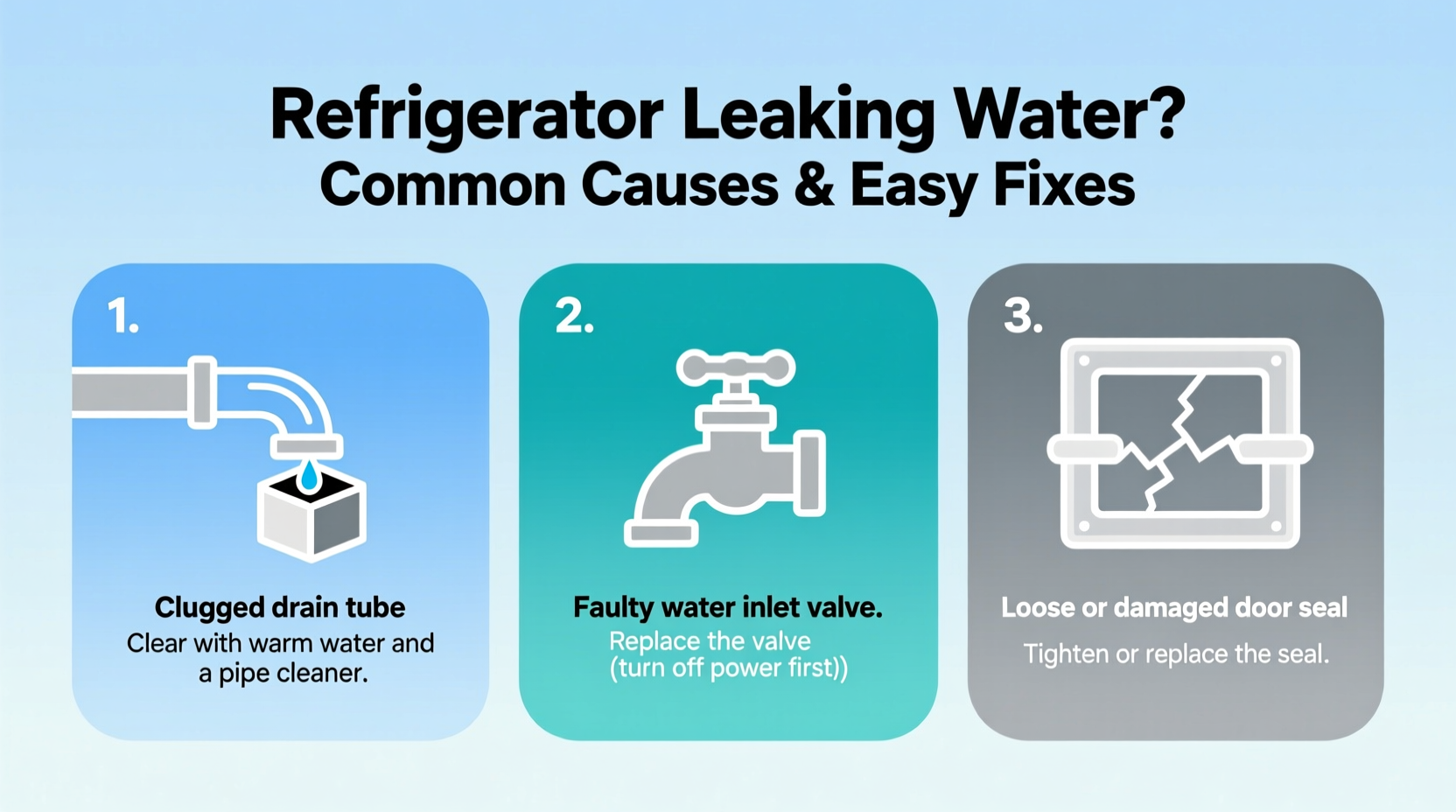
One of the leading causes of refrigerator water leakage is a blocked defrost drain. During normal operation, your fridge cycles through cooling and defrosting phases. Frost builds up in the freezer and melts during defrost mode, with the resulting water draining through a small tube (the defrost drain) into a pan beneath the unit, where it evaporates.
If food particles, ice, or mold clog this drain, water backs up and overflows into the fridge or onto the floor. This often happens gradually, so you may not notice until a significant puddle forms.
How to Clear a Clogged Defrost Drain
- Unplug the refrigerator for safety.
- Remove items from the freezer and take out the back panel or evaporator cover (usually held by screws).
- Locate the drain hole at the bottom of the freezer compartment.
- Use a turkey baster or syringe filled with hot water to flush the drain tube.
- For stubborn clogs, insert a pipe cleaner or soft wire to dislodge debris.
- Pour a mixture of warm water and baking soda or vinegar down the drain to sanitize and dissolve residue.
- Reassemble and plug the unit back in.
This process typically takes less than 30 minutes and resolves the leak in most cases.
Improperly Positioned Refrigerator
Your refrigerator must be level to function correctly. If it leans forward, water from the defrost cycle won’t flow properly toward the drain pan and instead pools inside or leaks out the front. This issue is especially common after moving the fridge or installing new flooring.
A quick visual check: if the doors don’t stay closed when opened halfway, the unit is likely unlevel.
How to Level Your Fridge
- Use a bubble level across the top of the refrigerator.
- Adjust the front leveling legs (located under the front grille or base) by turning them clockwise to raise or counterclockwise to lower.
- Ensure the fridge tilts slightly backward (about ¼ inch higher in the back) so doors self-close.
- Test door closure and recheck for leaks after 24 hours.
Faulty or Damaged Water Supply Line
If your refrigerator has an ice maker or water dispenser, a cracked or loose water supply line could be the source of the leak. These lines, usually made of plastic or copper, connect the fridge to your home’s cold water supply. Over time, vibrations, wear, or poor installation can lead to cracks or loosened fittings.
Leaks from the supply line often occur behind the fridge and may only appear when the water dispenser is used or during ice-making cycles.
How to Inspect and Fix the Water Line
- Turn off the water supply valve (usually located under the sink or behind the fridge).
- Disconnect the line from the fridge and inspect for cracks, bulges, or moisture.
- Tighten any loose connections using a wrench—do not overtighten.
- Replace damaged plastic tubing with a braided stainless steel line, which is more durable.
- Reconnect and slowly turn the water back on. Watch for drips.
“Over 60% of water dispenser-related leaks stem from degraded plastic tubing. Upgrading to reinforced lines reduces failure risk by years.” — Mark Reynolds, Appliance Repair Technician with 18 years of experience
Cracked or Missing Drain Pan
Beneath your refrigerator sits a drain pan that collects condensation and defrost water, allowing it to evaporate naturally from contact with the compressor. If this pan is cracked, misaligned, or missing, water spills directly onto the floor.
This issue is more common in older units or after maintenance work where the pan wasn’t reinstalled properly.
Identifying and Replacing the Drain Pan
- Slide the refrigerator out carefully and inspect the bottom.
- Look for a flat, shallow tray underneath—this is the drain pan.
- If cracked or warped, order a replacement using your fridge’s model number.
- Install the new pan by sliding it into place under the unit.
Replacement pans cost between $15 and $40 and are widely available online or through appliance parts suppliers.
Door Gasket Failure and Condensation Buildup
A compromised door seal (gasket) doesn’t just reduce efficiency—it can also contribute to internal moisture buildup. When warm, humid air enters the fridge due to a poor seal, it condenses and accumulates. Over time, excess moisture overwhelms the drainage system and leads to pooling.
To test the gasket: close the door on a dollar bill. If you can pull it out easily, the seal needs attention.
Fixing or Replacing a Door Gasket
- Clean the gasket with warm, soapy water and a soft cloth to remove grime that prevents sealing.
- Dry thoroughly and apply a thin layer of petroleum jelly to restore flexibility.
- If the gasket is torn, brittle, or no longer seals, replace it.
- Order a model-specific gasket and follow manufacturer instructions for installation—typically involves unsnapping the old one and snapping in the new.
| Issue | Symptom | DIY Fix? | Time Required |
|---|---|---|---|
| Clogged Defrost Drain | Water pooling in fridge or under crisper drawers | Yes | 20–40 mins |
| Unlevel Refrigerator | Doors won’t self-close; front leak | Yes | 15–30 mins |
| Faulty Water Line | Leak only when dispensing water/ice | Yes (with caution) | 30–60 mins |
| Cracked Drain Pan | Consistent puddle under front of fridge | Yes | 20 mins + shipping |
| Failed Door Gasket | Foggy interior, warm spots, excess moisture | Yes | 30–90 mins |
Mini Case Study: Sarah’s Persistent Kitchen Leak
Sarah noticed a recurring wet spot near her fridge every morning. She mopped it daily, assuming it was condensation. After two weeks, the puddle grew larger. She called a technician, who charged $120 just to diagnose the issue. His verdict? A clogged defrost drain.
Determined not to pay again, Sarah researched and cleared the drain herself using a turkey baster and hot water. The leak stopped immediately. She now performs preventive maintenance twice a year and shares her story in a local homeowner group to help others avoid unnecessary service calls.
Prevention Checklist: Avoid Future Leaks
- ✅ Clean the defrost drain every 6 months
- ✅ Keep the refrigerator level and stable
- ✅ Inspect water supply lines annually for wear
- ✅ Replace worn door gaskets promptly
- ✅ Check the drain pan for cracks during cleaning
- ✅ Wipe up spills immediately to prevent overflow confusion
- ✅ Ensure proper ventilation around the unit for evaporation
Frequently Asked Questions
Why is my refrigerator leaking water even though the drain is clear?
If the drain is clear but water persists, check the drain pan for cracks or misalignment. Also verify that the fridge is level. Another possibility is excessive humidity entering due to a faulty door seal, overwhelming the drainage system.
Can a refrigerator leak water without having an ice maker?
Absolutely. Even fridges without water dispensers or ice makers rely on a defrost system. If the defrost drain is clogged or the unit isn’t level, water will still leak from internal melting frost.
Is a leaking refrigerator dangerous?
While not immediately hazardous, standing water near electrical components increases shock risk and can promote mold growth. Prolonged leaks may also damage flooring and lead to costly repairs. Address leaks promptly to avoid escalation.
Stop the Drip: Take Action Today
A leaking refrigerator doesn’t have to mean expensive repairs or replacement. In most cases, the problem stems from one of several manageable issues—clogs, misalignment, worn parts—that you can identify and resolve yourself. With basic tools and a little time, you can restore your fridge to full function and protect your kitchen from water damage.




 浙公网安备
33010002000092号
浙公网安备
33010002000092号 浙B2-20120091-4
Comments
No comments yet. Why don't you start the discussion?