
When shopping for a smartphone that will stand the test of time, consumers often face a critical decision: go for a refurbished premium device like an iPhone, or opt for a brand-new mid-range Android? Both options promise value, but only one may truly outlast the other in daily use, software updates, and hardware resilience. This isn’t just about upfront cost—it’s about longevity, long-term performance, and how much usable life you can extract from your investment.
The answer depends on more than just materials or specs. It hinges on ecosystem design, update policies, repairability, and real-world usage patterns. Let’s break down the factors that determine which type of phone—refurbished iPhone or new mid-range Android—will last longer under typical conditions.
Build Quality and Physical Durability
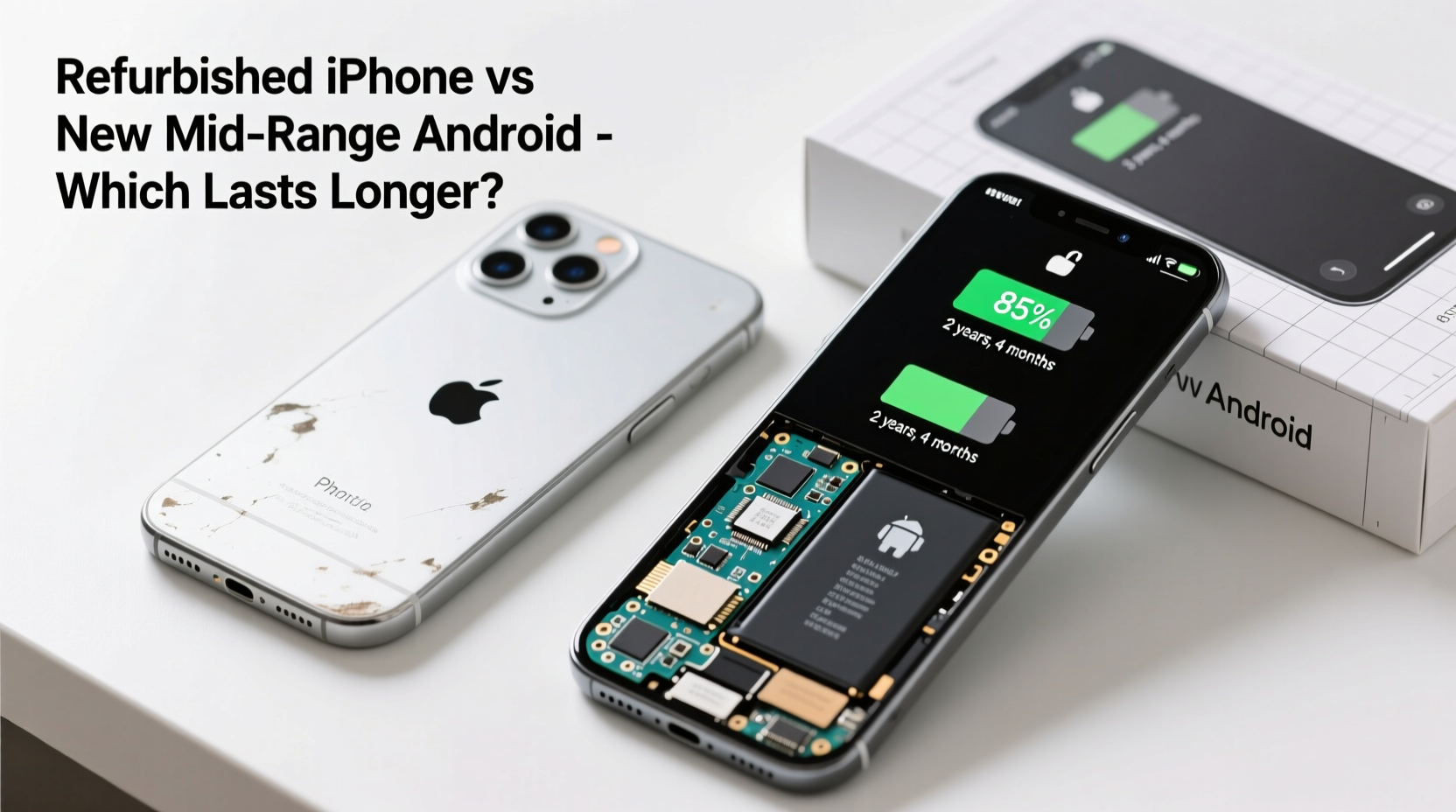
One of the first considerations when evaluating longevity is physical durability. A phone can have excellent software support, but if it cracks after six months of regular use, its lifespan ends prematurely.
iPhones, even older models, are known for their tight integration of hardware and software, as well as consistent build quality. Apple uses aerospace-grade aluminum frames and high-quality glass (especially on models from the iPhone 11 onward with Ceramic Shield). Even refurbished units certified by Apple undergo rigorous testing and often include replacement of worn components such as batteries and outer shells.
In contrast, mid-range Android phones vary significantly in construction. Some, like Google’s Pixel A-series or Samsung’s Galaxy A5x line, feature glass backs and aluminum frames comparable to flagship devices. Others rely on polycarbonate plastics, which resist drops better but feel less durable over time and are prone to discoloration or scratches.
Durability also extends to ingress protection. Most recent mid-range Androids lack official IP ratings, while many refurbished iPhones (starting from iPhone 7) carry at least IP67 water and dust resistance. This becomes crucial over time, especially in humid environments or accidental spills.
Software Support and Update Lifespan
Hardware might survive for years, but without software updates, a phone becomes obsolete—not because it breaks, but because it stops being safe or functional.
Apple leads in long-term software support. iPhones typically receive iOS updates for 5–7 years after release. For example, the iPhone XR (2018) still runs iOS 17 in 2024. This means a refurbished iPhone XR purchased today could remain secure and compatible with modern apps for another year or more—despite being six years old.
Mid-range Android devices lag behind. Most manufacturers commit to only 2–3 years of major OS updates and 3–4 years of security patches. A new mid-range Android phone in 2024 might stop receiving updates by 2026 or 2027. After that, app compatibility degrades, vulnerabilities go unpatched, and performance may decline due to outdated optimization.
“Longevity in smartphones isn’t measured in battery cycles alone—it’s defined by how long the device remains useful. And usefulness requires ongoing software support.” — David Lin, Mobile Ecosystem Analyst at TechTrend Insights
Exceptions exist: Google’s Pixel 7a and later A-series models now promise 7 years of updates, matching iPhones. Similarly, Samsung’s Galaxy A-series launched in 2023 or later offer 4 OS upgrades and 5 years of security updates—better than most, but still short of Apple’s average.
Battery Longevity and Replaceability
No matter how durable the frame or advanced the chip, a failing battery kills usability. Battery health deteriorates with charge cycles, temperature exposure, and age. How each platform handles this issue impacts long-term viability.
All iPhones show battery health percentage in Settings, allowing users to monitor degradation. Once capacity drops below 80%, performance throttling kicks in. However, Apple offers affordable battery replacements—often $69 or less—and certified refurbished models always include a new battery.
Mid-range Androids rarely provide detailed battery health metrics. While some brands like Samsung offer limited diagnostics, most do not. Worse, replacing the battery often requires third-party service, voiding warranties or risking damage due to glued-in designs.
That said, some mid-range Androids allow easier access. Motorola’s budget phones, for instance, sometimes use screws instead of glue, simplifying DIY repairs. But overall, iPhone wins in standardized, accessible battery servicing—even when refurbished.
Performance Over Time: Chipset and Optimization
A phone may start fast, but does it stay fast? Performance decay over time is a real concern, particularly with lower-tier hardware.
Apple’s A-series chips are industry leaders in efficiency and sustained performance. An iPhone 11’s A13 Bionic still handles everyday tasks smoothly in 2024. Refurbished models retain this power, and iOS optimization ensures minimal bloat and efficient memory management.
Mid-range Android phones typically use Qualcomm Snapdragon 6xx/7xx series or MediaTek Dimensity chips. These are capable but operate under tighter thermal and memory constraints. Over time, background processes, fragmented storage, and inefficient apps can lead to slowdowns—even with \"clean\" Android skins.
Additionally, Android OEMs often preload bloatware that consumes RAM and storage, accelerating perceived lag. While newer models ship with lighter UIs (e.g., Samsung One UI, stock Android on Pixels), the cumulative effect of updates and app growth can degrade responsiveness faster than on iPhones.
| Factor | Refurbished iPhone | New Mid-Range Android |
|---|---|---|
| Typical Software Support | 5–7 years | 2–4 years (up to 7 for select models) |
| Build Quality Consistency | High (Apple-certified refurbishments) | Variable (plastic vs. glass/metal) |
| Battery Replaceability | Easy, official program available | Difficult; often requires third party |
| Chipset Longevity | Excellent (A-series efficiency) | Moderate (mid-tier SoCs degrade faster) |
| Ingress Protection | Common (IP67/IP68 from iPhone 7+) | Rare in budget models |
| Real-World Usable Lifespan | 5+ years (with care) | 3–4 years (varies by brand/model) |
Real-World Example: Two Users, Two Paths
Consider two individuals making different choices in early 2020:
- Sarah bought a new iPhone SE (2nd gen) for $399. She used it daily, replaced the battery at Apple in 2022, and continued receiving updates through iOS 17. In 2024, she still uses it for calls, messaging, banking, and light browsing—performance remains smooth.
- James purchased a new mid-range Android phone—a popular $350 model with a Snapdragon 720G. It ran well initially, but by late 2022, app crashes increased, updates slowed, and the manufacturer announced no further OS upgrades. By 2023, key apps stopped supporting the outdated Android version. He upgraded in early 2024.
Sarah’s device lasted four years with active functionality; James’ phone became functionally obsolete after three. Both started at similar price points, but the iPhone offered an extra year of reliable use—thanks to sustained software support and hardware resilience.
Which Phone Lasts Longer? The Verdict
Based on all factors—software support, battery longevity, chipset performance, build consistency, and repair accessibility—the **refurbished iPhone generally lasts longer** than a new mid-range Android phone.
This doesn’t mean every refurbished iPhone will outlive every Android alternative. Exceptions exist, particularly with Google and Samsung’s newer budget lines offering extended update commitments. But on average, across brands and models, iPhones maintain usability for longer periods.
Moreover, buying an Apple-certified refurbished iPhone means getting a device tested to near-new standards, with warranty coverage and a fresh battery. You’re not gambling on unknown wear—you’re investing in proven longevity.
For users prioritizing sustainability, reducing e-waste, and maximizing value per dollar spent, choosing a refurbished iPhone aligns better with long-term ownership goals.
Actionable Checklist: Choosing the Longest-Lasting Phone
Whether you lean toward iPhone or Android, use this checklist to ensure maximum lifespan:
- Verify certification: Only buy Apple-certified refurbished iPhones or manufacturer-refurbished Androids with warranty.
- Check update policy: Confirm how many years of OS and security updates the device will receive.
- Inspect battery health: Ensure battery capacity is above 85% (for non-replaced units).
- Look for IP rating: Choose models with water and dust resistance when possible.
- Test real-world performance: Read user reviews focused on year-two and year-three performance.
- Assess repair options: Prioritize devices with available official repair programs or modular design.
- Avoid heavily skinned interfaces: Stock Android or lightly customized UIs tend to age better.
Frequently Asked Questions
Is a refurbished iPhone as good as new?
Apple-certified refurbished iPhones are tested, cleaned, and restored to like-new condition. They include a new battery, outer shell, and come with a standard one-year warranty—making them functionally equivalent to new devices in performance and reliability.
Can a mid-range Android last 5 years?
Possible, but unlikely for most models. Without continued software updates beyond 3–4 years, security risks and app incompatibility make extended use impractical. Select models like the Pixel 7a or Galaxy A54 (2023+) may reach 5+ years due to improved update promises.
Does using a case affect longevity?
Yes. A protective case significantly reduces the risk of drop damage, especially on glass-backed phones. Combined with a screen protector, it can prevent micro-cracks and sensor misalignment that degrade long-term usability.
Step-by-Step Guide: Maximizing Your Phone’s Lifespan
Regardless of platform, follow these steps to extend your phone’s usable life:
- Month 1: Enable automatic backups and set up cloud sync for photos, contacts, and messages.
- Every 3 Months: Reassess app usage. Uninstall unused apps to free storage and reduce background drain.
- Every 6 Months: Perform a soft reset (restart) and clear system cache (on Android via recovery mode).
- Yearly: Check battery health. If below 80%, schedule a professional replacement.
- During OS Updates: Back up before installing, then verify performance post-update. Report issues early.
- At End of Support: Consider switching to a privacy-focused lightweight OS (e.g., /e/OS for Android), or retire the device responsibly.
Conclusion: Make Longevity Your Priority
The choice between a refurbished iPhone and a new mid-range Android isn’t just about immediate savings—it’s about future-proofing your digital life. While both options serve short-term needs, the evidence shows that refurbished iPhones consistently deliver longer usable lifespans thanks to superior software support, robust build quality, and accessible maintenance.
By choosing longevity, you reduce electronic waste, save money over time, and avoid the frustration of premature obsolescence. Whether you're upgrading now or advising someone else, prioritize update cycles, repairability, and ecosystem support over initial specs or trends.




 浙公网安备
33010002000092号
浙公网安备
33010002000092号 浙B2-20120091-4
Comments
No comments yet. Why don't you start the discussion?