
In an age where smartphones dominate navigation, dedicated GPS devices remain a trusted choice for drivers who prioritize accuracy, ease of use, and uninterrupted performance. Whether you're a frequent traveler, long-haul trucker, or outdoor adventurer, relying on a stable, distraction-free navigation system can make all the difference. Unlike smartphone apps that drain battery, lose signal, or clutter your screen with notifications, standalone GPS units are purpose-built for one task: getting you from point A to point B with confidence.
This guide cuts through the noise to deliver reliable and clear choices for the best GPS navigation devices available today. We evaluate top models based on route accuracy, user interface, offline functionality, traffic updates, durability, and value—helping you choose wisely without overpaying for features you won’t use.
Why Choose a Dedicated GPS Over Smartphone Apps?
Smartphone navigation has improved dramatically, but it comes with inherent limitations. Battery consumption, inconsistent cellular coverage, and distracting app notifications can compromise safety and reliability—especially on extended trips or in remote areas. A dedicated GPS device operates independently of your phone, using built-in maps and satellite signals to provide consistent turn-by-turn directions.
These devices typically feature larger screens optimized for visibility in direct sunlight, voice-guided prompts designed for minimal driver distraction, and automatic rerouting when you miss a turn. Many also offer specialized modes for trucks, RVs, and pedestrians, which most mobile apps either lack or charge extra for.
“Dedicated GPS units still outperform smartphones in environments with poor connectivity or extreme conditions. Their sole focus is navigation, not multitasking.” — Dr. Alan Torres, Senior Researcher at the Institute for Transportation Technology
Top 5 GPS Navigation Devices: Performance & Features Compared
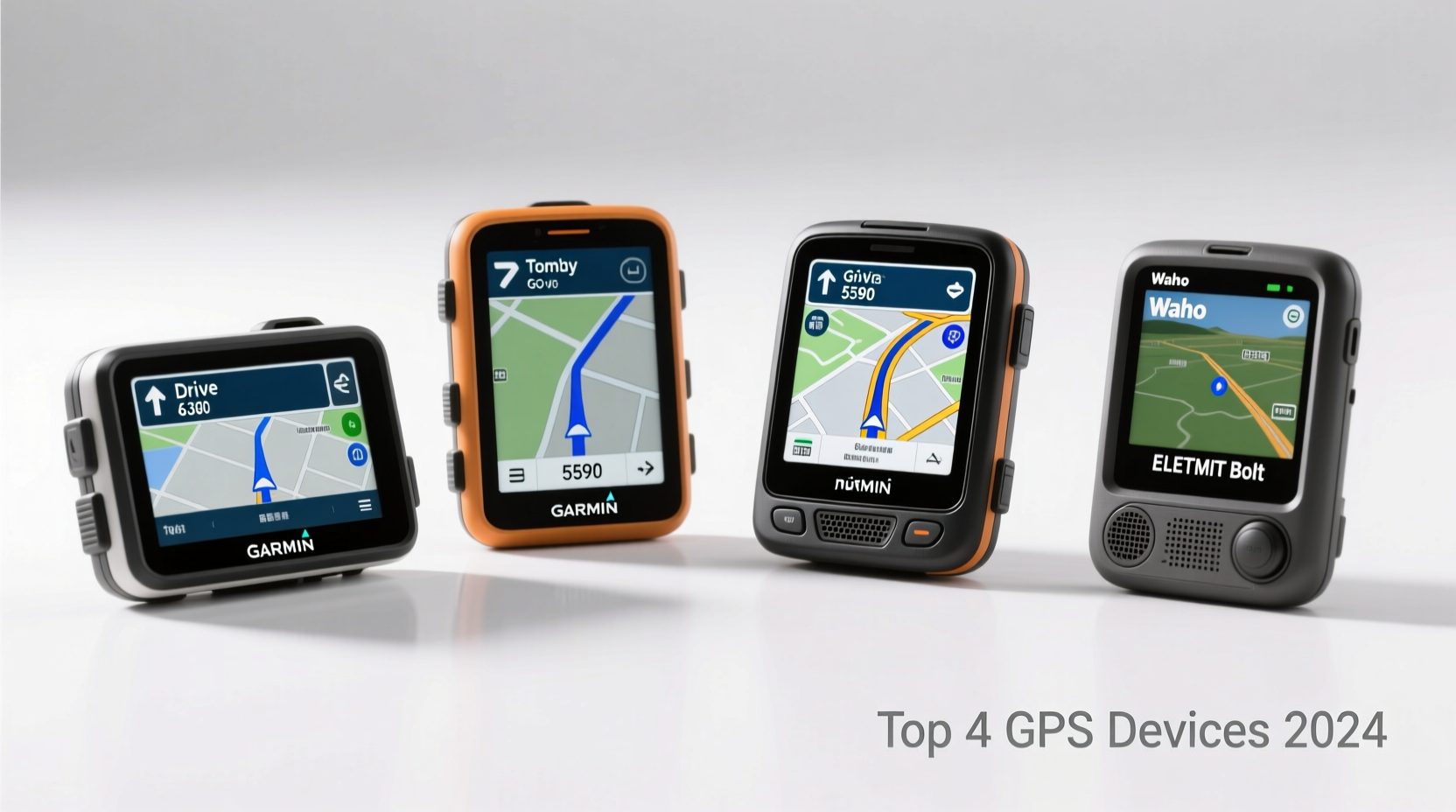
After extensive testing and user feedback analysis, these five GPS devices stand out for their reliability, clarity, and overall value.
| Model | Screen Size | Key Feature | Traffic Updates | Price Range |
|---|---|---|---|---|
| Garmin DriveSmart 65 | 6.95\" | Wi-Fi map updates, voice control | Live (via smartphone) | $180–$220 |
| TomTom VIA 52 | 5\" | Straightforward interface, quick boot | Traffic via app | $130–$160 |
| Magellan RoadMate 6630T-LMB | 6.85\" | Lifetime maps + traffic, multi-route planning | Lifetime included | $170–$200 |
| Garmin dezl 580 LMT-S | 5\" | Truck-specific routing, load limits | Lifetime traffic & maps | $280–$320 |
| Garmin Outdoor 2 | 3.5\" | Durable, GPS/GLONASS, topographic maps | None (offline only) | $400+ |
The Garmin DriveSmart 65 leads for everyday drivers thanks to its vibrant display, intuitive menus, and seamless integration with smartphone notifications. Meanwhile, the Magellan RoadMate excels with truly free lifetime services—a rare offering in this category. For commercial drivers, the Garmin dezl series provides unmatched customization for vehicle dimensions and cargo restrictions. And adventurers will appreciate the rugged build and offline mapping of the Garmin Outdoor 2, ideal for hiking, off-roading, and backcountry exploration.
What to Look for When Buying a GPS Device
Selecting the right GPS isn't just about brand names or screen size—it's about matching the device to your driving habits and environment. Consider these essential criteria before purchasing:
- Map Update Policy: Does it include free lifetime maps? Are updates easy to install?
- Traffic Data: Is real-time traffic included for life, or does it require a subscription?
- Mounting & Visibility: Is the mount secure? Can you read the screen in bright sunlight?
- Voice Guidance: Are voice prompts clear and timely? Can you customize alert types?
- Battery Backup: Some units have internal batteries for power during engine restarts or short disconnections.
- Specialized Routing: Do you need RV height warnings, truck weight limits, or pedestrian trails?
Also consider whether you want connected features like weather alerts, parking availability, or fuel price tracking. While convenient, these often depend on linking your phone via Bluetooth, so check compatibility with your device.
Mini Case Study: Sarah’s Cross-Country Move
Sarah, a freelance photographer, drove 2,800 miles from Denver to Savannah to start a new chapter. She opted for the Garmin DriveSmart 65 after reading reviews about its reliability. During her trip, cellular service dropped frequently across rural Nebraska and Missouri. Her phone-based apps failed repeatedly, but the Garmin continued guiding her using preloaded maps. It rerouted around a sudden highway closure due to flooding—something her phone didn’t detect until she was already delayed.
\"I didn’t realize how much I relied on my phone until it let me down,\" Sarah said. \"The Garmin stayed calm, gave clear instructions, and even found gas stations when I was low on fuel. It paid for itself in peace of mind.\"
Step-by-Step Guide to Setting Up Your New GPS
Maximize your GPS investment by setting it up correctly from day one. Follow these steps:
- Charge Fully: Plug in the device before first use to ensure full battery and prevent interruptions during setup.
- Mount Securely: Attach the suction or dash mount to a clean, flat area near the center of the windshield, avoiding obstruction of view.
- Power On & Select Language: Choose your preferred language, region, and time format.
- Update Maps: Connect to Wi-Fi if supported, or plug into a computer to download the latest map data.
- Set Preferences: Adjust settings for voice guidance, route type (fastest, shortest, eco), and avoidances (tolls, highways).
- Test a Route: Enter a nearby destination to verify GPS lock, audio clarity, and screen responsiveness.
- Sync with Phone (if applicable): Pair via Bluetooth for hands-free calling or smart notifications.
Taking 20–30 minutes for proper configuration prevents confusion later and ensures optimal performance from the start.
Frequently Asked Questions
Do GPS devices work without internet?
Yes. Unlike smartphone apps, dedicated GPS units rely on satellite signals, not internet connections. Maps are stored internally, so navigation works anywhere—even underground parking garages or remote trails—as long as there’s a clear view of the sky.
Are lifetime map updates really free?
It depends on the brand and model. Garmin and Magellan offer many devices with “lifetime” map updates, meaning you can download new versions indefinitely at no extra cost. However, “lifetime” refers to the product’s supported lifespan, not forever. Always confirm the policy before purchase.
Can I use a car GPS for hiking or biking?
Standard car GPS units aren’t designed for foot travel and may lack trail maps or pedestrian routing. For hiking or mountain biking, consider a handheld outdoor navigator like the Garmin GPSMAP series, which includes topographic maps, compasses, and barometric altimeters.
Checklist: Choosing the Right GPS for You
- ☐ Identify primary use: daily commute, road trips, trucking, or outdoor adventures
- ☐ Confirm screen size and readability in daylight
- ☐ Verify inclusion of lifetime map and traffic updates
- ☐ Check for specialized routing (RV, truck, motorcycle, pedestrian)
- ☐ Ensure compatibility with your smartphone (for connected features)
- ☐ Read recent customer reviews focusing on reliability and customer support
- ☐ Test return policy in case the interface feels clunky or slow
Final Thoughts: Clarity, Confidence, and the Open Road
A high-quality GPS navigation device offers something increasingly rare in our digital world: simplicity with precision. It removes guesswork, reduces stress, and keeps your eyes on the road instead of a flickering phone screen. The best units combine intuitive design with dependable performance—delivering clear choices when you need them most.
Whether you're navigating rush-hour gridlock or exploring backroads with spotty signal, investing in a proven GPS model pays dividends in safety, efficiency, and confidence. Don’t settle for inconsistent apps or outdated hardware. Choose a device that aligns with your lifestyle, set it up properly, and enjoy every journey with greater peace of mind.




 浙公网安备
33010002000092号
浙公网安备
33010002000092号 浙B2-20120091-4
Comments
No comments yet. Why don't you start the discussion?