
There’s a reason chocolate chip cookies are a timeless favorite: warm, buttery, slightly crisp on the edges, and soft in the center, they deliver comfort in every bite. But achieving that perfect balance isn’t always easy. Many recipes promise perfection but fall short—either too cakey, too flat, or lacking depth of flavor. This guide cuts through the noise with a tested, no-fail method that delivers consistently excellent results. Whether you're baking for family, friends, or just yourself, this is the only recipe you’ll ever need.
The Science Behind the Perfect Cookie
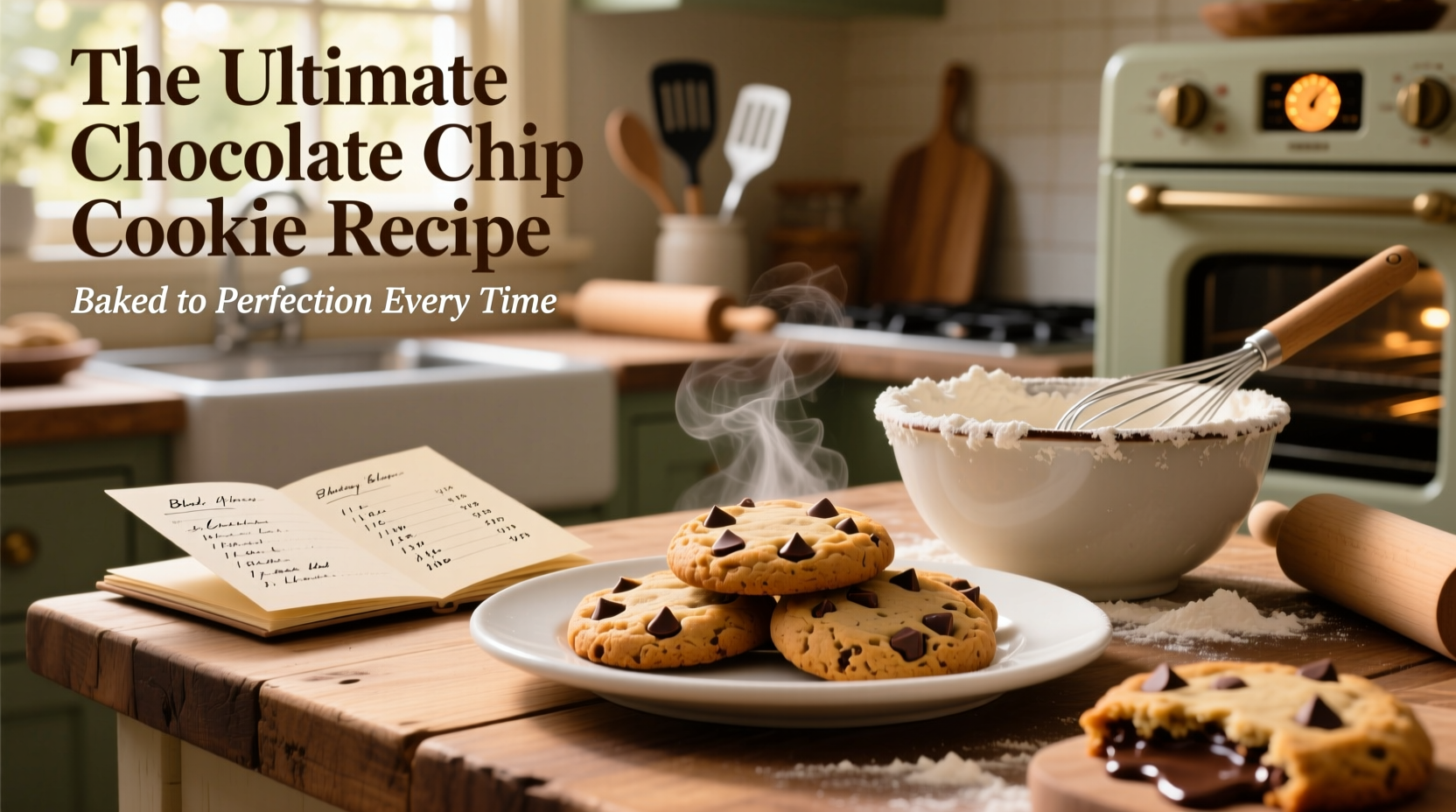
Cookies may seem simple, but small changes in ingredients or technique can dramatically affect texture and taste. The ideal chocolate chip cookie has a golden-brown exterior, a tender crumb, and pockets of melted chocolate. To achieve this, understanding the role of each ingredient is essential.
- Butter: Unsalted butter allows control over salt levels and contributes rich flavor. Melting it partially (or fully, depending on preference) affects spread and chewiness.
- Sugars: A combination of granulated and brown sugar creates the right balance. Granulated sugar encourages spreading and crispness; brown sugar adds moisture and chew due to its molasses content.
- Egg: One large egg binds the dough and adds structure. Room temperature eggs incorporate more evenly.
- Flour: All-purpose flour provides the necessary gluten structure. Overmixing after adding flour can lead to tough cookies.
- Baking soda: The leavening agent that helps cookies rise slightly and develop a tender texture.
- Vanilla extract: Pure vanilla enhances overall flavor complexity—don’t skip it.
- Chocolate: High-quality chocolate chips or chopped bars make a noticeable difference. Semi-sweet is classic, but dark or bittersweet adds sophistication.
“Texture starts long before the oven. How you cream butter and sugar, how you measure flour, and even your baking sheet choice matter.” — Chef Maria Tran, Pastry Instructor at Boston Culinary Institute
Step-by-Step Guide to Baking the Best Chocolate Chip Cookies
This method ensures cookies that are evenly baked, perfectly textured, and deeply flavorful. Follow these steps precisely for consistent success.
- Preheat oven to 375°F (190°C). Line two baking sheets with parchment paper or silicone mats. Do not grease—this can cause excessive spreading.
- Cream butter and sugars. In a large bowl, beat ¾ cup (1.5 sticks) softened unsalted butter with ¾ cup granulated sugar and ¾ cup packed light brown sugar until light and fluffy (about 2–3 minutes with a hand mixer).
- Add egg and vanilla. Beat in one large egg and 2 teaspoons of pure vanilla extract until fully incorporated.
- Mix dry ingredients separately. In another bowl, whisk together 2¼ cups all-purpose flour, 1 teaspoon baking soda, and ½ teaspoon fine sea salt.
- Combine wet and dry. Gradually add the dry mixture to the wet, mixing on low speed just until combined. Do not overmix.
- Fold in chocolate. Stir in 2 cups of semi-sweet chocolate chips (or chopped chocolate bar) by hand using a spatula.
- Portion dough. Use a tablespoon or small ice cream scoop to form 12–14 equal balls. Roll them between your palms for a uniform shape.
- Chill for 15 minutes (optional but recommended). Chilling prevents overspreading and deepens flavor.
- Bake 9–11 minutes. Place dough balls 2 inches apart on baking sheets. Bake one sheet at a time in the center rack until edges are golden but centers still look slightly underdone.
- Cool on sheet for 5 minutes, then transfer to a wire rack to cool completely. They will firm up as they cool.
Common Mistakes and How to Avoid Them
Even experienced bakers make missteps. Here’s a table summarizing frequent errors and their solutions:
| Common Mistake | Why It Happens | How to Fix It |
|---|---|---|
| Cookies spread too much | Butter too soft, dough not chilled, or hot baking sheet | Use cool butter, chill dough, let pans cool between batches |
| Cookies are too dry | Too much flour (often from scooping directly) | Use spoon-and-level method or weigh flour (2¼ cups ≈ 280g) |
| Lack of flavor | Low-quality chocolate or vanilla, or missing salt | Use real vanilla and high-cocoa chocolate; don’t reduce salt |
| Cookies are cakey | Too much egg or baking powder, or over-aerating batter | Stick to one egg and baking soda only; mix gently |
| Uneven baking | Oven hot spots or overcrowded trays | Rotate pan halfway; leave space between dough balls |
A Real Example: From Failed Batch to Family Favorite
Jessica, a home baker from Portland, had been frustrated for years trying to replicate the bakery-style cookies she loved. Her early attempts were either greasy, flat, or bland. After switching to this method—especially measuring flour correctly and chilling the dough—her results transformed. She now makes these cookies weekly for her kids’ school events. “The first time I followed this exact process,” she said, “I got rave reviews. My neighbor asked if I bought them from a shop!”
Her key takeaway? Consistency matters. Once she stopped improvising and trusted the recipe, her success rate soared.
Customization and Storage Tips
While the classic version is beloved, small tweaks can personalize your batch:
- Add ½ cup chopped toasted walnuts or pecans for crunch.
- Swap in flaky sea salt on top before baking for a sweet-salty contrast.
- Use dark chocolate (60–70%) for a richer, less sweet profile.
- Incorporate 2 tablespoons of cornstarch for an ultra-soft texture.
Store cooled cookies in an airtight container at room temperature for up to 5 days. For longer storage, freeze baked cookies for up to 3 months. Thaw at room temperature or warm briefly in the oven for that fresh-from-the-oven feel.
Frequently Asked Questions
Can I use margarine instead of butter?
No. Margarine contains more water and less fat, which affects texture and browning. Butter provides superior flavor and structure. Stick with real unsalted butter for best results.
Why do my cookies flatten out?
Over-softened butter, warm dough, or a hot baking sheet are common culprits. Chill the dough for 15–30 minutes before baking, and let baking sheets cool completely between batches.
Can I double the recipe?
Yes, but be cautious when mixing large quantities by hand. Use a stand mixer if doubling, and ensure even distribution of ingredients. Portion immediately after mixing to prevent over-softening.
Final Checklist Before You Bake
- ✓ Ingredients at correct temperature (butter softened, egg room temp)
- ✓ Flour measured properly (spooned and leveled or weighed)
- ✓ Oven preheated and calibrated (use an oven thermometer if unsure)
- ✓ Baking sheets lined with parchment or silicone
- ✓ Dough portioned evenly for consistent baking
- ✓ Timer set—do not overbake!
Conclusion: Bake with Confidence
The best chocolate chip cookies aren’t made by chance—they’re crafted with care, precision, and a little bit of science. This recipe removes guesswork and delivers delicious results every single time. Whether you’re baking for a holiday, a gift, or a quiet moment with milk, you now have a trusted method that stands the test of time.




 浙公网安备
33010002000092号
浙公网安备
33010002000092号 浙B2-20120091-4
Comments
No comments yet. Why don't you start the discussion?