
Cleaning doesn’t have to be a time-consuming chore. With the right tools, what once took hours can be accomplished in minutes—often with better results. The key lies not in working harder, but in using smarter, more reliable tools designed for specific tasks. From microfiber cloths that trap dust without chemicals to cordless vacuums that glide under furniture, the modern cleaning arsenal is packed with innovations that boost efficiency and reduce effort. This guide breaks down the most effective tools for every common household and commercial cleaning challenge, backed by practical insights and real-world performance.
The Foundation: Essential Cleaning Tools for Every Home
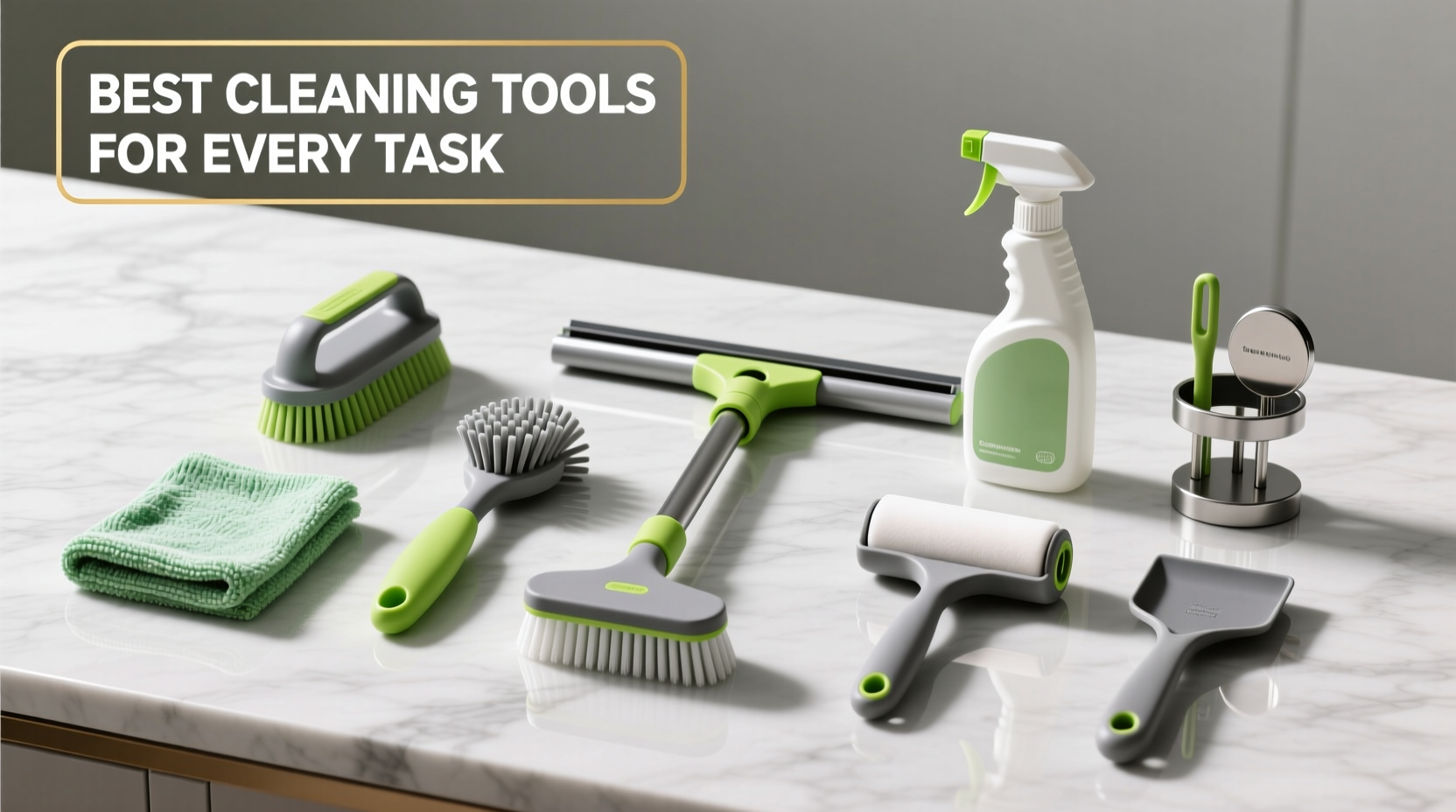
No matter the size of your space or the frequency of cleaning, certain tools form the backbone of an efficient routine. These are not luxury items—they’re necessities that pay for themselves in saved time and improved hygiene.
- Microfiber cloths: Superior to paper towels and cotton rags, microfiber traps up to 99% of bacteria when used damp. Ideal for glass, stainless steel, and electronics.
- Spray bottles with adjustable nozzles: Allow precise application of cleaners, reducing waste and over-saturation.
- Scrub brushes with replaceable heads: Ergonomic handles and stiff bristles make grout, tile, and outdoor surfaces easier to clean.
- Telescoping duster: Reaches ceiling fans, light fixtures, and high shelves without a ladder.
- High-efficiency particulate air (HEPA) vacuum: Captures allergens and fine dust, critical for homes with pets or allergy sufferers.
Room-by-Room Tool Guide
Different areas demand different tools. Using the wrong implement can spread dirt, damage surfaces, or simply fail to clean effectively.
Kitchen: Tackle Grease and Grime Efficiently
The kitchen accumulates grease, food residue, and moisture—ideal conditions for bacteria. A few specialized tools make all the difference.
- Non-scratch scrub pads: Safe for stainless steel sinks and cooktops.
- Bottle brush with long handle: Cleans narrow-necked containers, thermoses, and pitchers.
- Grill scraper: Removes carbonized buildup from stovetops and ovens.
- Magnetic refrigerator organizer: Holds small tools like scrapers and brushes within reach.
Bathroom: Combat Mold and Mineral Deposits
Moisture breeds mold and mildew, while hard water leaves mineral stains. The right tools prevent buildup before it becomes a problem.
- Toilet brush with angled head: Reaches under the rim where germs hide.
- Squeegee for shower walls: Use after every shower to prevent soap scum and water spots.
- Grout brush with stiff nylon bristles: Scrubs tile lines without damaging caulk.
- Disposable electrostatic cloths: Trap dust and hair on baseboards and vents.
Floors: Choose the Right Tool for the Surface
Using a steam mop on unsealed wood or a broom on deep-pile carpet leads to poor results. Match your tool to your flooring type.
| Floor Type | Recommended Tool | Avoid |
|---|---|---|
| Hardwood | Dry microfiber mop or vacuum with soft roller | Steam mops, wet string mops |
| Tile & Stone | Microfiber flat mop with mild cleaner | Ammonia-based products on natural stone |
| Carpet | Upright HEPA vacuum with rotating brush | Broom, dry powder only (without extraction) |
| Laminate | Slightly damp microfiber mop | Excess water, abrasive pads |
Advanced Tools That Elevate Efficiency
For those who value time and thoroughness, investing in advanced cleaning tools delivers measurable returns. These aren’t gimmicks—they’re engineered solutions to persistent problems.
Cordless Stick Vacuums with Multi-Surface Heads
Models like the Dyson V15 Detect or LG CordZero use laser illumination to reveal invisible dust on hard floors. Their lightweight design allows quick transitions between rooms, and swivel steering makes them ideal for navigating tight spaces.
Robotic Vacuums with Mapping Technology
Units such as the Roborock S8 or iRobot j7+ learn your floor plan, avoid obstacles like pet toys, and return to recharge automatically. Schedule daily cleans while you're at work—no effort required.
Steam Cleaners with Interchangeable Nozzles
A high-pressure steam cleaner sanitizes without chemicals. Use the crevice nozzle for grout, the brush attachment for upholstery, and the squeegee for windows. It’s especially effective in kitchens and bathrooms.
“Steam cleaning at 212°F kills 99.9% of bacteria and dust mites. It’s one of the most hygienic methods available for home use.” — Dr. Lena Torres, Environmental Health Specialist
Step-by-Step: Building a Task-Specific Cleaning Kit
Rather than carrying a single caddy full of generic tools, create dedicated kits for recurring tasks. This reduces decision fatigue and speeds up cleaning.
- Assess your most frequent cleaning challenges: Is it bathroom mold? Kitchen grease? Pet hair on furniture?
- Select 3–5 tools per task: For example, a bathroom kit might include a toilet brush, grout brush, squeegee, microfiber cloth, and spray bottle.
- Label and store kits together: Use stackable bins or wall-mounted caddies in central locations.
- Include a quick-reference checklist inside each lid: List steps and tools needed for a complete clean.
- Review and refresh quarterly: Replace worn brushes, refill bottles, and upgrade tools as needed.
Real-World Example: How a Busy Family Reduced Cleaning Time by 40%
The Thompson family of five struggled with constant clutter and weekend deep-cleaning marathons. After auditing their routine, they replaced outdated tools with targeted solutions: a cordless vacuum for daily pickups, color-coded microfiber cloths (red for bathrooms, green for kitchen), and pre-filled spray bottles for each room.
They created three kits—one for bathrooms, one for kitchen and dining, and one for floors—and stored them in central closets. Within a month, daily cleaning dropped to 20 minutes, and weekend chores were reduced to touch-ups. The change wasn’t due to working less—it was due to working with better tools.
Checklist: Evaluating Your Current Cleaning Tools
Use this checklist to audit your existing supplies and identify upgrades:
- ✅ Do your cloths leave lint or streaks?
- ✅ Does your vacuum lose suction on carpets?
- ✅ Are your brushes frayed or discolored?
- ✅ Can your mop wring out sufficiently to avoid soaking floors?
- ✅ Do you have separate tools for different rooms to prevent cross-contamination?
- ✅ Are your tools easy to access and store?
- ✅ Have you replaced consumables (filters, heads, pads) in the last 6 months?
FAQ
How often should I replace cleaning tools?
Microfiber cloths last 300+ washes if cared for properly. Vacuum filters should be replaced every 6–12 months. Brushes and mop heads should be swapped every 3–6 months, depending on use. Worn tools harbor bacteria and reduce cleaning effectiveness.
Are expensive cleaning tools worth the investment?
In many cases, yes. High-end vacuums maintain suction longer, steam cleaners reduce chemical dependency, and ergonomic designs prevent strain. Focus spending on tools you use weekly. For occasional tasks, rental or mid-tier options may suffice.
Can one tool work for multiple surfaces?
Some multi-purpose tools exist, but they often compromise performance. A microfiber cloth is versatile across non-porous surfaces, but a single brush rarely works well on both delicate glass and grout. Prioritize surface safety over convenience.
Conclusion
The best cleaning tools aren’t defined by price or brand—they’re defined by reliability, efficiency, and suitability for the task. Whether you’re wiping down a countertop or deep-cleaning a carpet, having the right instrument in hand transforms cleaning from a burden into a streamlined process. By investing in quality tools, organizing them strategically, and replacing them proactively, you create a system that maintains cleanliness with minimal effort.




 浙公网安备
33010002000092号
浙公网安备
33010002000092号 浙B2-20120091-4
Comments
No comments yet. Why don't you start the discussion?