
For small homesteads and large-scale dairy farms alike, selecting the right goat milking machine is a pivotal decision that impacts animal health, milk quality, labor efficiency, and long-term profitability. With an increasing number of models on the market—ranging from hand-cranked units to fully automated systems—choosing one that balances reliability, efficiency, and ease of use can be overwhelming. This guide cuts through the noise with actionable insights, performance benchmarks, and expert-backed recommendations tailored to different farm sizes and operational needs.
Why Machine Milking Outperforms Hand Milking
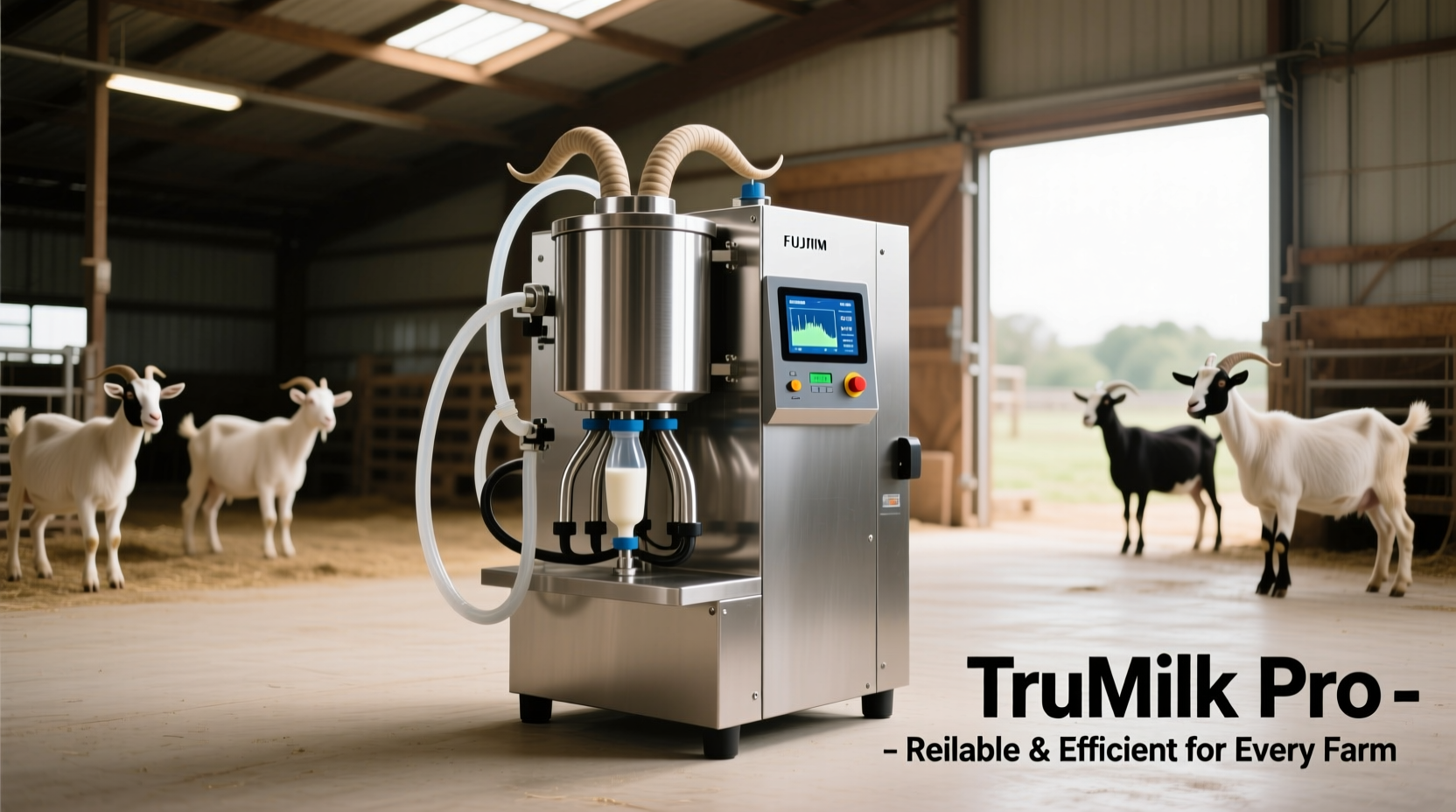
While hand milking remains common in backyard operations, it's time-consuming, inconsistent, and places greater stress on both the goat and the farmer. Modern milking machines offer significant advantages:
- Time savings: A single machine can milk 10–20 goats in the time it takes to hand-milk two.
- Better udder health: Properly calibrated machines reduce teat trauma and lower mastitis risk.
- Improved hygiene: Closed-system designs minimize contamination from dust, hands, or surfaces.
- Milk yield consistency: Vacuum and pulsation settings mimic natural suckling, promoting complete let-down.
“Transitioning to a well-designed milking system reduced our milking time by 60% and improved somatic cell counts within three weeks.” — Dr. Linda Hartwell, Ruminant Health Specialist, University of Vermont Extension
Key Features of a High-Performance Goat Milking Machine
Not all machines are created equal. The best models for goats prioritize gentle action, durability, and ease of cleaning. Here are the non-negotiable features to look for:
- Adjustable vacuum pump: Goats require lower vacuum pressure than cows. Look for a range between 10–15 inches of mercury with fine-tuning capability.
- Proper pulsators: A 50:50 milk-to-rest ratio at 55–60 pulses per minute ensures effective milk removal without tissue damage.
- Goat-specific liners: Shorter, narrower teat cups with soft silicone liners prevent slipping and overmilking.
- Stainless steel claw and pail: Resists corrosion, withstands repeated sanitization, and prevents bacterial buildup.
- Digital monitoring (optional): Advanced models include flow sensors and automatic shut-off when milk slows.
Top 5 Recommended Models by Farm Size
| Model | Farm Suitability | Vacuum Range | Pulsation Rate | Key Advantage |
|---|---|---|---|---|
| Delaval VMS™ Goats | Large commercial (50+ goats) | 12–14 in Hg | 60 CPM | Automated data tracking & individual goat profiles |
| LactoStar Pro 12 | Medium herd (20–50 goats) | 11–15 in Hg (adjustable) | 55 CPM | Modular design; easy to expand |
| MasterMilk G2 Plus | Small farm (5–20 goats) | 12–14 in Hg | 50 CPM | Quiet operation; excellent suction stability |
| HoofBoss MiniFlow | Backyard (1–5 goats) | 10–13 in Hg | 52 CPM | Portable, battery-operated option |
| UdderComfort 3000 | All sizes (with attachments) | 11–15 in Hg | 58 CPM | Budget-friendly with replaceable parts |
Step-by-Step Guide to Selecting and Setting Up Your Machine
Choosing the right machine involves more than just reading specs. Follow this sequence to ensure optimal integration into your daily routine:
- Assess herd size and milking frequency: Daily twice-a-day milking demands higher throughput than occasional milking.
- Measure available space: Parlor-mounted systems need dedicated room; portable kits suit mobile setups.
- Test vacuum stability: Run the pump and use a manometer to confirm consistent pressure across all clusters.
- Sanitize before first use: Disassemble claws, tubes, and liners. Soak in food-grade sanitizer and air-dry completely.
- Train goats gradually: Introduce the machine during feeding. Allow 3–5 sessions for acclimation before full milking.
- Monitor milk quality: Check for signs of incomplete let-down, blood streaks, or foam—indicative of improper settings.
Mini Case Study: Green Pastures Homestead Upgrade
Sarah and Tom Miller run a 14-goat dairy farm in upstate New York. For years, they hand-milked their does each morning and evening, spending nearly three hours daily. After Sarah developed wrist tendinitis, they invested in the MasterMilk G2 Plus. Within two weeks, milking time dropped to 45 minutes. More importantly, their bulk tank somatic cell count fell from 850,000 to under 300,000 cells/mL—meeting premium raw milk standards. “The machine paid for itself in six months,” Sarah said. “And the goats seem calmer now.”
Common Mistakes to Avoid
Even high-end machines fail when misused. These pitfalls undermine efficiency and animal welfare:
- Using cow liners on goats: Causes poor seal, vacuum fluctuations, and teat end damage.
- Skipping pre- and post-dipping: Increases infection risk regardless of machine hygiene.
- Overlooking pump maintenance: Oil-based pumps need monthly oil changes; dry pumps require filter cleaning.
- Running the machine unattended: Never leave goats connected without supervision.
- Improper storage: Store tubing and liners clean and dry—never coiled tightly while damp.
Essential Maintenance Checklist
To keep your machine running reliably, follow this weekly and monthly checklist:
Weekly Actions
- Inspect teat cup liners for cracks or stiffness
- Clean claw assembly and milk tubes with enzymatic cleaner
- Check vacuum gauge accuracy
- Verify pulsator function and rhythm
Monthly Actions
- Replace worn liners (every 1,500–2,500 milkings)
- Change pump oil (if applicable)
- Flush entire system with acid rinse to remove mineral deposits
- Test backup battery or generator (for power-sensitive models)
FAQ: Frequently Asked Questions
Can I use a milking machine on young or first-time milker goats?
Yes, but with caution. Start with lower vacuum (10–11 in Hg) and shorter sessions. Ensure proper teat preparation and close monitoring. Many farmers hand-strip the first few days before introducing the machine.
How do I know if my machine is damaging the goats’ udders?
Look for redness, swelling, or bruising around the teat ends after milking. Persistent flaring or inverted teats indicate overmilking. Adjust pulsation timing or reduce milking duration. If issues persist, consult a veterinarian.
Are battery-powered milking machines reliable for daily use?
For herds under five goats, yes—especially models like the HoofBoss MiniFlow. Choose lithium-ion batteries with at least 2-hour runtime and always keep a spare charged. Larger herds should rely on direct electrical or generator power for consistent vacuum.
Final Thoughts: Investing in Efficiency and Animal Welfare
The best goat milking machine isn’t always the most expensive—it’s the one that aligns with your farm’s scale, workflow, and commitment to animal care. Whether you're managing a single dairy goat or a commercial herd, modern technology offers tools that save time, improve milk quality, and support sustainable practices. Reliability comes from build quality and regular upkeep; efficiency stems from proper setup and training. By choosing a purpose-built machine and maintaining it diligently, you’re not just investing in equipment—you’re investing in healthier goats, better products, and a more manageable farming life.




 浙公网安备
33010002000092号
浙公网安备
33010002000092号 浙B2-20120091-4
Comments
No comments yet. Why don't you start the discussion?