
In an age where personal security is paramount, safeguarding your most valuable possessions—whether cash, jewelry, important documents, or digital backups—is more critical than ever. Burglaries, fires, and natural disasters can strike without warning, making a high-quality safe not just a luxury, but a necessity. Not all safes offer the same level of protection, however. Choosing the right one involves understanding construction standards, locking mechanisms, fire resistance, and placement considerations. This guide explores the most reliable and secure options available today, helping you make an informed decision that ensures long-term peace of mind.
Understanding Safe Ratings and Security Standards
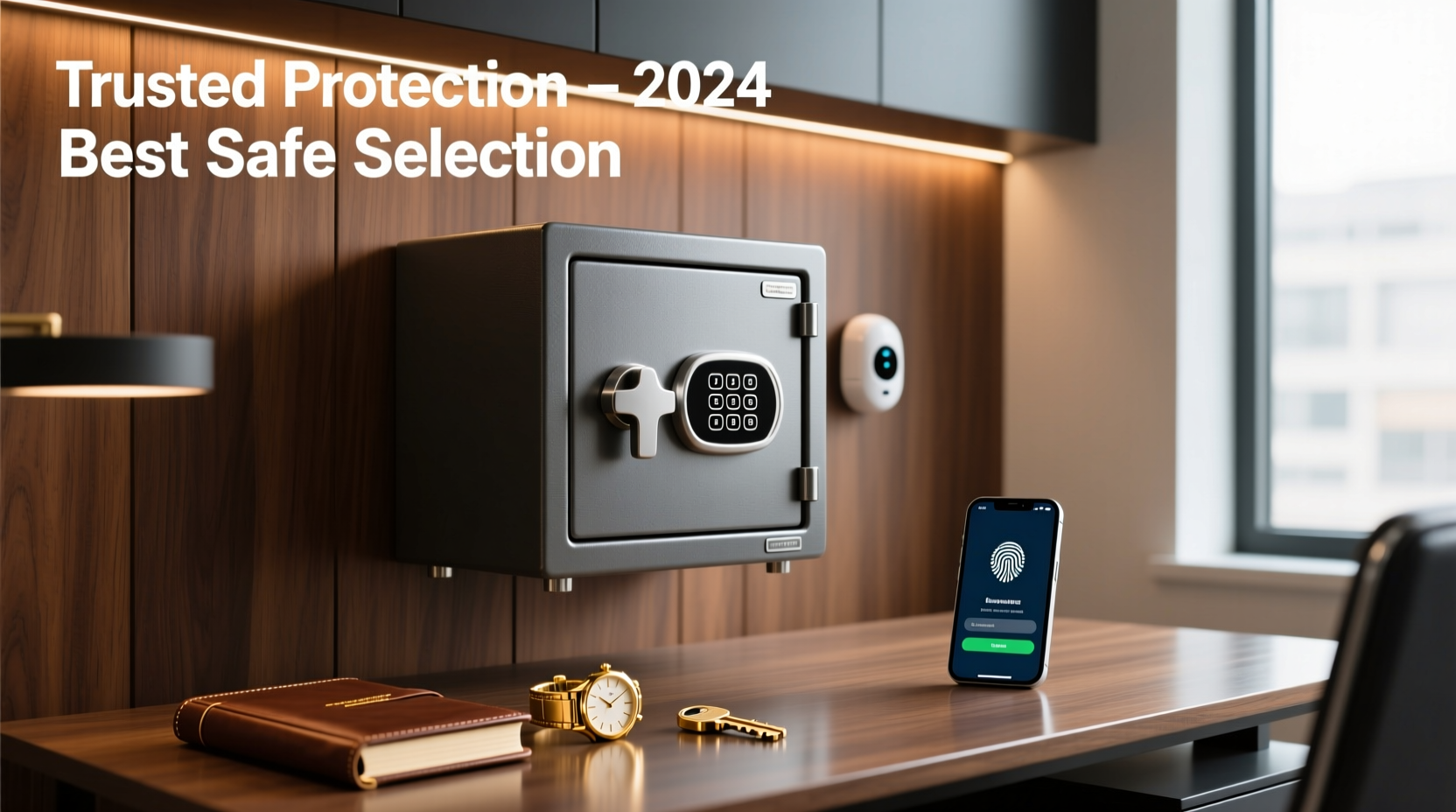
The first step in selecting a truly secure safe is understanding the certifications and testing standards used by manufacturers. Independent organizations like Underwriters Laboratories (UL) provide third-party verification of a safe’s ability to resist forced entry and withstand fire exposure.
For burglary protection, look for UL ratings such as:
- TL-15: Resists tools and cutting for at least 15 minutes.
- TL-30: Offers 30 minutes of resistance against heavy-duty tools and power saws.
- TRTL-30x6: Provides 30 minutes of attack resistance from all six sides, including the top and bottom.
For fire protection, UL classifies safes based on how long they can maintain an internal temperature below 350°F during a fire:
- Class 350: Common for document protection; maintains interior temp under 350°F for specified durations (e.g., 1-hour, 2-hour).
“Always verify UL certification with documentation—not just marketing claims. A tested and rated safe offers real-world assurance.” — James Ralston, Security Engineer & Safe Testing Consultant
Types of Safes and Their Best Uses
Different environments and valuables require different types of safes. Understanding these categories helps narrow down your choices based on actual needs rather than assumptions.
| Type of Safe | Best For | Security Level | Avg. Price Range |
|---|---|---|---|
| Burglary Safes | Cash, jewelry, firearms | High (TL-15 and above) | $800–$5,000+ |
| Fire Safes | Documents, hard drives, passports | Low to Medium | $150–$600 |
| Gun Safes | Firearms, ammunition | Medium to High | $300–$2,500 |
| Wall & Floor Safes | Discreet storage, limited space | Variable (depends on build) | $200–$1,200 |
| Hotel-Style Electronic Safes | Short-term use, travel items | Low | $100–$300 |
While fire safes may seem sufficient for storing papers, they often lack the reinforced steel and locking bolts needed to deter break-ins. Conversely, heavy burglary safes may not include fire insulation. For comprehensive protection, consider dual-rated models designed to meet both UL fire and tool-resistance standards.
Key Features That Define Reliability
Not all features are created equal. The following elements separate dependable safes from those that merely look intimidating.
Locking Mechanisms
Electronic locks offer speed and convenience, especially with programmable codes. However, mechanical dial locks remain highly trusted due to their immunity to electronic failure or power loss. Many high-end safes now combine both for redundancy.
Construction Materials
Look for safes constructed with composite layers—such as steel filled with concrete or ceramic—to resist drilling and cutting. The door should be at least ½ inch thick with multiple active locking bolts (minimum four, ideally 1-inch diameter).
Anchoring Capability
A safe bolted to the floor or wall is significantly harder to steal. Always check whether the model includes pre-drilled anchor holes and comes with mounting hardware. Never skip this step—even the heaviest safe can be carried away if unsecured.
Step-by-Step Guide to Choosing and Installing Your Safe
- Assess your valuables: List what you’re protecting—documents, guns, cash, etc.—to determine size and protection type needed.
- Choose location: Pick a discreet, structurally sound spot—interior wall closets, under stairs, or basement corners work well.
- Select UL-rated models: Prioritize independent certifications over brand reputation alone.
- Compare lock types: Decide between electronic, mechanical, or dual systems based on accessibility and reliability preferences.
- Verify anchoring options: Ensure the safe has proper holes and install it securely during setup.
- Test access regularly: Practice opening the safe monthly to prevent mechanism jams or forgotten codes.
- Document contents: Keep an encrypted inventory list outside the home (e.g., cloud storage) for insurance purposes.
Real-World Example: Protecting Family Heirlooms After a Break-In
After a residential burglary in suburban Ohio, the Miller family lost irreplaceable jewelry and vintage watches passed down over three generations. Though the thieves bypassed the bedroom nightstand safe (a low-cost fire box), they overlooked a hidden wall safe installed behind a bookshelf—containing property deeds and a backup hard drive with family photos.
“We thought our small safe was enough,” said Diane Miller. “But after the break-in, we invested in a TL-30 certified floor-safe, anchored into concrete, with biometric access. It’s not just about money—it’s about preserving memories.”
The experience prompted them to audit their entire home security system, including surveillance and safe placement. Their story underscores a crucial truth: reliability isn’t just about strength—it’s about strategic planning.
Checklist: Before You Buy a Safe
- ✅ Determine the primary purpose (fire, theft, or both)
- ✅ Measure available space and door clearance
- ✅ Confirm UL certification (not just “tested to” standards)
- ✅ Check for anchoring points and included hardware
- ✅ Evaluate lock type and backup access method (e.g., override key)
- ✅ Read customer reviews focusing on durability and service support
- ✅ Verify warranty length and coverage (10+ years preferred)
Frequently Asked Questions
Can a safe be both fireproof and burglar-resistant?
Yes, but it must be explicitly rated for both. Dual-certified safes use layered construction—thick steel exteriors for break-in resistance and insulating materials like gypsum or intumescent seals for fire protection. These models tend to be heavier and more expensive but offer the highest overall protection.
Are smart safes with Wi-Fi secure?
While convenient, Wi-Fi-enabled safes introduce cybersecurity risks. If remote access or app control is desired, ensure the manufacturer uses end-to-end encryption and regular firmware updates. For maximum security, opt for standalone electronic or mechanical locks without network connectivity.
How often should I service my safe?
Mechanical and electronic locks benefit from annual maintenance. Clean keyholes, lubricate bolt work with manufacturer-approved grease, and replace batteries in electronic models every 6–12 months. Professional servicing every 3–5 years is recommended for high-use or commercial-grade units.
Conclusion: Secure Your Valuables with Confidence
Your most precious belongings deserve more than a flimsy lockbox. By choosing a safe that meets rigorous industry standards, features robust construction, and is properly installed, you create a true fortress within your home. Whether protecting financial assets, legal documents, or irreplaceable heirlooms, the right safe offers not just physical security—but lasting peace of mind. Take the time to research, compare, and invest wisely. The safety of your valuables depends on it.




 浙公网安备
33010002000092号
浙公网安备
33010002000092号 浙B2-20120091-4
Comments
No comments yet. Why don't you start the discussion?