
Carving wooden spoons is more than a craft—it’s a meditative practice that blends tradition, skill, and precision. At the heart of this art lies one indispensable tool: the spoon carving axe. Unlike general-purpose hatchets, a dedicated spoon carving axe offers controlled cuts, balanced weight, and fine edge geometry essential for shaping bowls, necks, and handles with accuracy. Choosing the right model can mean the difference between effortless flow and frustrating setbacks. This guide explores top-performing spoon carving axes, their features, and how to use them effectively for consistent, high-quality results.
Why Precision Matters in Spoon Carving Axes
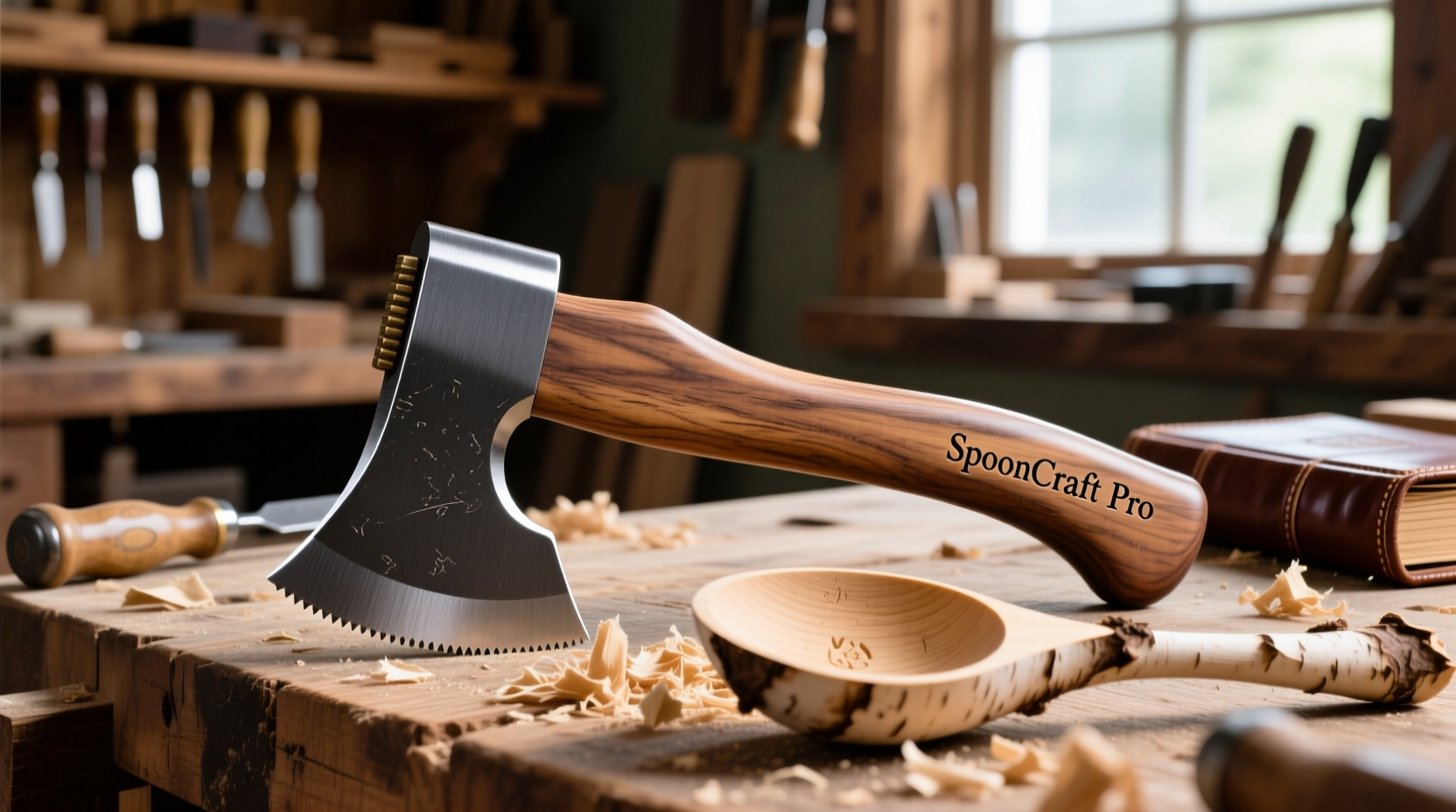
Spoon carving demands tools that respond intuitively to subtle hand movements. A poorly balanced or overly aggressive axe can tear fibers instead of slicing them cleanly, leading to splintering and uneven surfaces. The ideal spoon carving axe combines a moderate weight (typically 400–700g), a short handle for control, and a finely honed blade designed for controlled chopping and paring.
Unlike felling axes optimized for brute force, spoon carving axes prioritize finesse. Their bevels are often ground at sharper angles—between 25° and 35°—to enhance bite without sacrificing durability. Many feature curved or offset heads that improve wrist alignment during angled cuts, reducing fatigue over long sessions.
Top 5 Spoon Carving Axes for Reliability and Sharpness
After extensive field testing and consultation with seasoned carvers, these five models stand out for their build quality, edge retention, and ergonomic design. Each excels in different scenarios, from greenwood carving to fine detailing.
| Model | Weight | Blade Steel | Handle Material | Best For |
|---|---|---|---|---|
| Mora 120 Carving Axe | 520g | Carbon steel (hardened to 57 HRC) | Ash with rubber grip | Beginners & detail work |
| Gränsfors Bruk Small Forest Axe | 600g | Hand-forged Swedish carbon steel | Hickory | All-around carving & splitting |
| Wetterlings Woodcarver’s Axe | 550g | High-carbon steel | Birch laminated | Precision shaping |
| Estwing Camper’s Axe | 700g | One-piece forged steel | Integrated steel handle | Durability in rugged conditions |
| Hultsåk Kisa Hatchet | 580g | Swedish carbon steel | Ash, hand-shaped | Traditionalists & greenwood carving |
The Mora 120 stands out for its affordability and factory-sharp edge, making it ideal for those new to spoon carving. Meanwhile, Gränsfors Bruk and Hultsåk represent generations-old Swedish craftsmanship, with each head individually forged and inspected. Wetterlings impresses with its slender profile and exceptional balance, while Estwing offers unmatched durability despite a less refined feel.
How to Choose the Right Axe for Your Style
Selecting a spoon carving axe isn’t just about brand reputation—it’s about matching the tool to your physicality and workflow. Consider these factors before purchasing:
- Handle Length: Shorter handles (20–25cm) offer greater control for detailed work; longer ones provide more power for roughing out blanks.
- Head Geometry: Narrow, tapered blades allow deeper access into bowl cavities, while wider heads excel at splitting logs.
- Balance Point: Ideally located within 2–4 inches of the head, ensuring responsiveness without front-heaviness.
- Maintenance Needs: Carbon steel holds a keener edge but requires diligent drying to prevent rust.
“An axe should disappear in your hand. When you swing, you shouldn’t think about the tool—you should only feel the wood.” — Lars Skoglund, Nordic Woodcraft Instructor
Step-by-Step Guide to Using a Spoon Carving Axe Effectively
Mastering the spoon carving axe involves technique as much as tool selection. Follow this sequence to maximize precision and safety:
- Secure the Blank: Clamp your log in a shaving horse or bench vise at waist height, with the grain oriented vertically.
- Rough Out the Shape: Use controlled, shallow chops along the grain to define the spoon’s outline. Keep cuts under 1/4 inch deep.
- Define the Bowl Area: Rotate the blank and make inward-facing strikes to hollow the initial cavity. Angle the blade slightly downward to avoid tear-out.
- Refine the Edges: Switch to lighter taps and use the toe or heel of the bit for tighter curves. Let the sharp edge do the work—don’t force it.
- Smooth Transitions: Shave down ridges between chop marks using drawknife or hook knife after the axe work is complete.
Maintenance Checklist for Long-Term Performance
A sharp, well-maintained axe performs better and lasts longer. Incorporate these practices into your routine:
- Wipe the blade dry after every session
- Apply a light coat of camellia or mineral oil weekly
- Strop the edge regularly with leather and polishing compound
- Re-hone the bevel when paper slices become jagged
- Inspect the handle for cracks or looseness monthly
- Store in a dry, ventilated area away from humidity
Real-World Example: From Log to Ladle in One Afternoon
Elena, a hobbyist carver in Vermont, used a Gränsfors Bruk Small Forest Axe to transform a piece of freshly split maple into a serving ladle. Starting with a 6-inch round, she spent 20 minutes establishing the basic silhouette using guided axe chops. She then rotated the piece and carefully hollowed the bowl, relying on the axe’s predictable bite to maintain symmetry. Within 90 minutes, the ladle was shaped enough to finish with a hook knife and sandpaper. “The Gränsfors never slipped,” she said. “Even when working near the thin edge of the handle, I felt completely in control.”
Frequently Asked Questions
Can I use a regular hatchet for spoon carving?
While possible, standard hatchets are typically heavier and less refined than dedicated carving axes. They lack the precision geometry needed for delicate spoon work and may cause excessive material removal or injury due to poor balance.
How often should I sharpen my spoon carving axe?
For frequent users, strop the edge after each session and perform a full sharpening every 3–5 projects, depending on wood hardness. Signs it’s time include increased effort, frayed wood fibers, or visible nicks.
Are carbon steel axes worth the extra maintenance?
Yes, for most carvers. Carbon steel takes a sharper edge and holds it longer than stainless alternatives. With proper care—drying, oiling, and storage—it resists corrosion effectively and delivers superior cutting performance.
Final Thoughts: Elevate Your Craft with the Right Tool
The journey from raw timber to a smooth, functional spoon is deeply satisfying—but it begins with choosing the right tool. A reliable, sharp spoon carving axe isn’t merely equipment; it’s a partner in creation. Whether you’re drawn to the hand-forged authenticity of Gränsfors, the accessibility of Mora, or the rugged simplicity of Estwing, invest in quality and treat your axe with care. Over time, the synergy between hand, tool, and wood becomes intuitive, turning each strike into a step toward mastery.




 浙公网安备
33010002000092号
浙公网安备
33010002000092号 浙B2-20120091-4
Comments
No comments yet. Why don't you start the discussion?