
Extension cords are essential tools in homes, garages, workshops, and construction sites. But not all cords are created equal. When you need power in places where outlets are scarce, a reliable and versatile extension cord with multiple outlets can make all the difference. Whether you're powering holiday lights, running power tools, or setting up a home office in an awkward corner, choosing the right multi-outlet extension cord ensures safety, convenience, and long-term performance.
The key is selecting a model designed for your specific needs—whether indoor, outdoor, heavy-duty, or surge-protected. With so many options on the market, it's easy to overlook critical features like wire gauge, outlet count, grounding, and overload protection. This guide breaks down what makes a multi-outlet extension cord truly dependable and adaptable across environments.
Understanding What Makes a Multi-Outlet Extension Cord Reliable
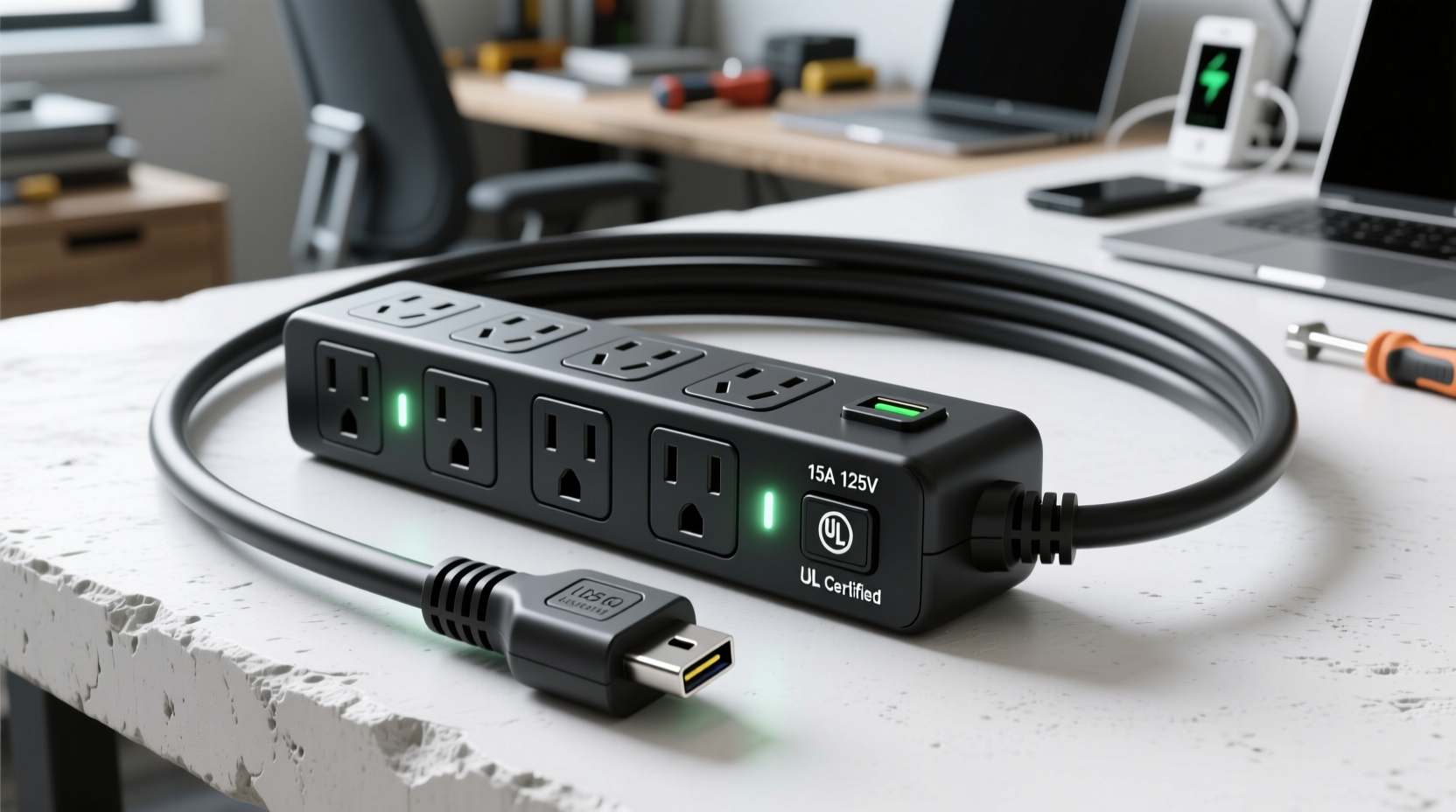
A \"reliable\" extension cord does more than just deliver electricity—it maintains consistent power flow, resists wear and tear, and protects both devices and users from electrical hazards. Reliability hinges on several technical and design factors:
- Wire Gauge (AWG): Thicker wires (lower AWG numbers) handle higher current loads without overheating. For heavy appliances or long runs, 12 or 14-gauge cords are ideal.
- Insulation Quality: Durable outer jackets resist abrasion, moisture, UV exposure, and temperature extremes—especially important for outdoor use.
- Grounding: Three-prong plugs ensure proper grounding, reducing shock risk and protecting sensitive electronics.
- Overload Protection: Built-in circuit breakers automatically cut power if too many devices draw current simultaneously.
- Cord Length: Longer cords increase convenience but also voltage drop; balance length with intended load.
Versatility Across Environments: Matching Cord to Use Case
A truly versatile multi-outlet extension cord adapts to different settings—from indoor living rooms to wet outdoor decks and dusty construction zones. Here’s how to match functionality to environment:
Indoor Use: Home Offices, Entertainment Centers, and Holiday Lighting
For everyday household needs, look for slim, low-profile power strips with at least six outlets and USB charging ports. Surge protection is crucial when connecting computers, TVs, or gaming consoles. Choose models with right-angle plugs for tight spaces behind furniture.
Outdoor Use: Patios, Yard Work, and Seasonal Decorations
Outdoor-rated extension cords must be labeled “Suitable for Outdoor Use” and feature weather-resistant casings. Look for twist-lock connectors or sealed outlet covers that prevent water ingress. A minimum of 14-gauge wire is recommended for extended outdoor runs.
Workshop & Job Sites: Power Tools and Heavy Equipment
Jobsite cords need rugged construction. Commercial-grade cords with molded ends, reinforced strain reliefs, and high amp ratings (15A–20A) are standard. Multiple outlets allow simultaneous tool use without constant plugging/unplugging. Consider reels for portability and tangle-free storage.
“Using the wrong extension cord on a job site isn’t just inconvenient—it’s a leading cause of equipment failure and electrical incidents.” — James Rolen, OSHA-Certified Safety Trainer
Top Features of Versatile Multi-Outlet Extension Cords
Beyond basic power delivery, modern multi-outlet extension cords offer intelligent features that enhance usability and safety:
- Surge Protection: Safeguards electronics against voltage spikes from lightning or grid fluctuations.
- USB Charging Ports: Integrated USB-A and USB-C ports eliminate the need for wall adapters.
- On/Off Switches: Master switches let you cut power to all connected devices instantly, saving energy and simplifying shutdowns.
- Rotating Outlets: Swivel sockets accommodate bulky transformers without blocking adjacent ports.
- Mounting Options: Wall-mount brackets or keyhole slots keep cords organized and out of foot traffic.
- Indicator Lights: Show when the surge protector is active or if grounding is compromised.
| Feature | Best For | Caution |
|---|---|---|
| 12-Gauge Wire | Heavy-duty tools, long distances | Heavier and less flexible |
| Surge Protection | Electronics, home offices | Limited lifespan after major surge |
| Weather-Resistant Housing | Outdoor events, gardens | Not fully waterproof—avoid submersion |
| Retractable Cord Reel | Garages, auto shops | Can jam if overwound |
Mini Case Study: Solving a Real-World Power Problem
A homeowner in Portland, Oregon, struggled each winter with powering outdoor holiday lights, a inflatable snowman, and a porch heater—all from a single backdoor outlet. Using multiple short cords led to tripped breakers and tangled messes near the entryway.
They switched to a 50-foot, 14-gauge outdoor-rated extension cord with four grounded outlets and a built-in GFCI (Ground Fault Circuit Interrupter). The new setup allowed safe operation of all devices simultaneously. The GFCI provided automatic shut-off during rainstorms, preventing dangerous ground faults. After one season, they reported no electrical issues and significantly easier setup thanks to the durable, tangle-resistant design.
Step-by-Step Guide: Choosing the Right Multi-Outlet Extension Cord
Follow this five-step process to select the best cord for your situation:
- Determine the Environment: Will the cord be used indoors, outdoors, or in a workshop? This dictates weather resistance and durability requirements.
- List Your Devices: Note wattage or amperage of all devices you plan to run simultaneously. Add them up to estimate total load.
- Select the Correct Gauge: For loads under 10 amps, 16-gauge may suffice. For 10–15 amps, use 14-gauge. Over 15 amps or runs over 50 feet, choose 12-gauge.
- Check for Safety Certifications: Only use cords certified by UL (Underwriters Laboratories), ETL, or CSA. These meet strict electrical safety standards.
- Evaluate Additional Features: Decide if you need surge protection, USB ports, mounting options, or a reel system for convenience.
Common Mistakes to Avoid
Even high-quality cords fail when misused. Steer clear of these common errors:
- Overloading the Cord: Plugging in too many high-wattage devices causes overheating and fire risk.
- Running Under Rugs or Through Doors: Compressed cords can overheat or suffer internal damage from foot traffic.
- Ignoring GFCI Requirements Outdoors: Any outdoor outlet or cord should have GFCI protection to prevent electrocution in wet conditions.
- Using Indoor Cords Outside: Indoor-only cords lack moisture resistance and can become hazardous when exposed to rain.
- Storing While Warm: Coiling a hot cord accelerates insulation breakdown and reduces lifespan.
Frequently Asked Questions
Can I plug a space heater into a multi-outlet extension cord?
Only if the cord is rated for the heater’s wattage (typically 1500W / 12.5A) and uses 12- or 14-gauge wire. Never use lightweight cords or power strips with space heaters—they pose serious fire risks.
What’s the difference between a power strip and an extension cord with multiple outlets?
A power strip expands outlet access in one location and often includes surge protection. An extension cord adds reach and may include extra outlets along its length. Some hybrid models combine both functions.
How long do extension cords last?
With proper care, a quality cord lasts 3–7 years. Inspect annually for cracked insulation, loose plugs, or damaged outlets. Replace immediately if any defects are found.
Final Checklist Before Buying
- ✅ Is the cord rated for indoor, outdoor, or jobsite use?
- ✅ Does the wire gauge match the expected load?
- ✅ Are all outlets grounded (three-prong)?
- ✅ Is there overload or surge protection?
- ✅ Is the length sufficient without excess slack?
- ✅ Does it have safety certifications (UL, ETL, etc.)?
- ✅ Are there convenient features like USB ports or switches?
Conclusion: Power Up Smartly and Safely
A reliable and versatile extension cord with multiple outlets isn’t just a convenience—it’s a cornerstone of safe, efficient power management in any environment. From holiday displays to professional workshops, the right cord eliminates clutter, prevents overloads, and keeps your devices running smoothly.
Don’t settle for flimsy, generic models. Invest in a well-built, properly rated cord tailored to your needs. By understanding wire gauge, safety features, and environmental demands, you’ll avoid hazards and enjoy years of dependable service.




 浙公网安备
33010002000092号
浙公网安备
33010002000092号 浙B2-20120091-4
Comments
No comments yet. Why don't you start the discussion?