
In an era dominated by digital audio, the resurgence of interest in analog recording has brought the humble tape recorder back into the spotlight. Whether you're a musician seeking warm, saturated sound; a journalist needing a durable field recorder; or a collector preserving vintage formats, choosing the right tape recorder matters. The best tape recorders today blend reliability, versatility, and sonic character—qualities that digital devices often struggle to replicate. This guide explores top models, key features, real-world applications, and expert-backed advice to help you make an informed decision.
Why Tape Still Matters in a Digital World
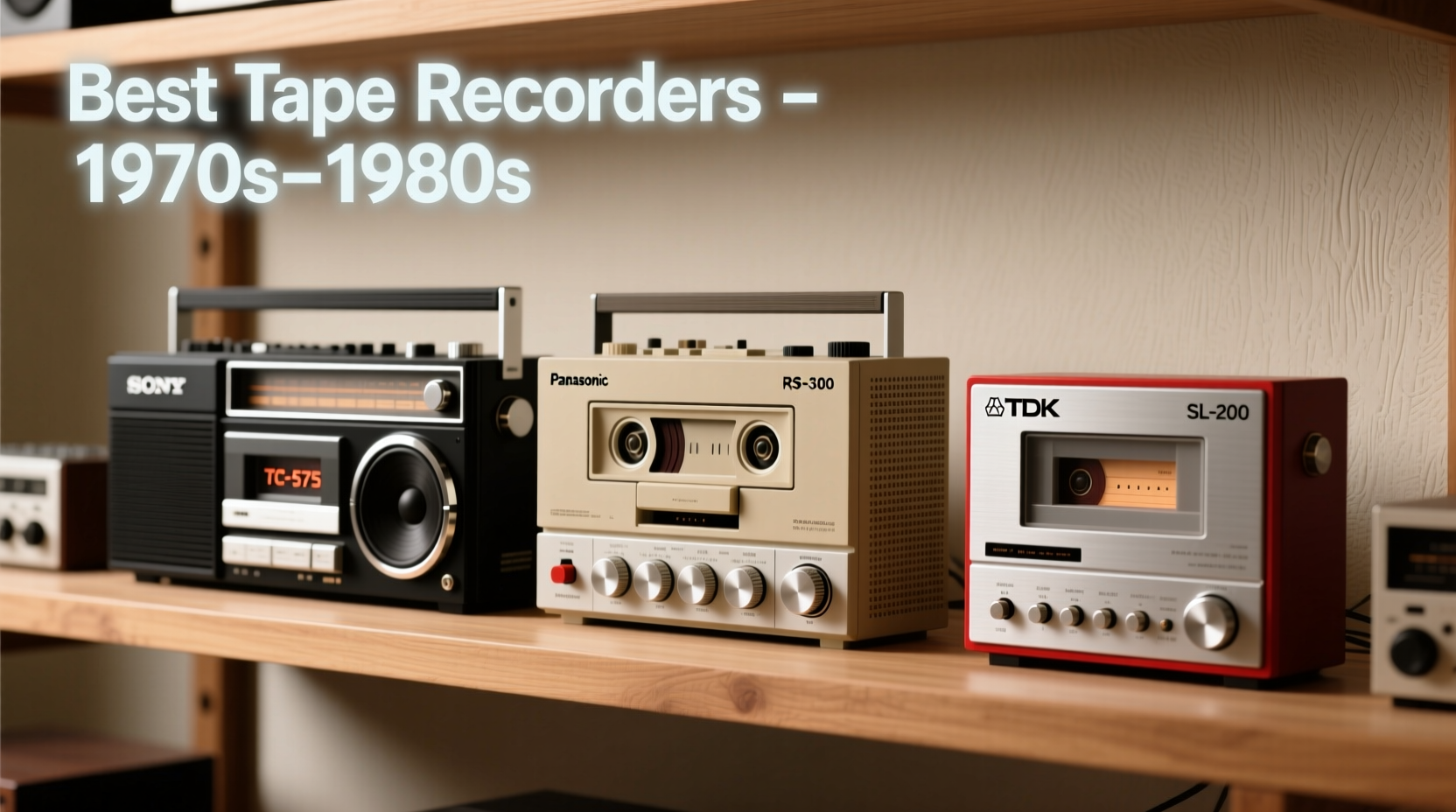
Analog tape offers a distinct sonic footprint: natural compression, harmonic saturation, and subtle distortion that many engineers describe as “musical.” Unlike pristine digital recordings, tape adds depth and cohesion, particularly when tracking instruments or vocals. Beyond sound, tape recorders provide tactile engagement—a hands-on experience that fosters intentionality in recording.
For non-musical uses, such as interviews, lectures, or archival work, cassette-based tape recorders remain practical due to their durability, long battery life, and ease of use. Many professionals still rely on compact cassette machines for fieldwork where digital storage might be vulnerable to corruption or power failure.
“Tape forces you to focus. You can’t endlessly overdub or edit. That limitation often leads to more authentic performances.” — Daniel Reeves, Analog Recording Engineer, Chicago
Key Features to Look for in a Reliable Tape Recorder
Not all tape recorders are created equal. To ensure reliability and versatility, consider these critical factors:
- Tape Format Compatibility: Most modern users choose between reel-to-reel (¼-inch) and cassette-based systems. Reel-to-reel offers higher fidelity but requires more maintenance; cassettes are portable and widely supported.
- Build Quality: Metal chassis, precision transport mechanisms, and high-quality motors contribute to longevity and consistent playback.
- Recording & Playback Options: Look for line-in, microphone inputs, headphone monitoring, and variable speed control. Some models support XLR inputs for professional mics.
- Battery vs. AC Power: Field recorders benefit from battery operation, while studio units often perform better on stable AC power.
- Noise Reduction Support: Dolby B/C or dbx systems reduce hiss and improve dynamic range, especially on cassette tapes.
- Maintenance Accessibility: Machines with user-serviceable heads and pinch rollers are easier to maintain over time.
Top 5 Reliable and Versatile Tape Recorders Compared
| Model | Format | Key Features | Best For | Reliability Rating |
|---|---|---|---|---|
| Sony TC-WR99ES | Cassette | Dolby C NR, dual cassette dubbing, pitch control, rugged build | Archival, music transfer, beginners | ★★★★☆ |
| TEAC A-3340S | ¼” Reel-to-Reel | 3-speed operation, full-track recording, tube-like warmth | Studio recording, audiophiles | ★★★★★ |
| Panasonic RS-278 | Cassette | Dynamic Noise Limiter, condenser mic input, portable design | Field interviews, journalism | ★★★★☆ |
| Tascam Portastudio 244 | ¼” Reel-to-Reel | 4-track recording, built-in mixer, sync recording | Home studios, songwriting | ★★★★☆ |
| Olympus M-300 | Microcassette | Long play modes, voice-activated recording, compact size | Dictation, legal notes, discreet use | ★★★☆☆ |
Real-World Use Case: Capturing Oral Histories in Rural Communities
Dr. Lena Torres, a cultural anthropologist at the University of New Mexico, has spent over a decade documenting indigenous storytelling traditions across the Southwest. Her team initially used digital voice recorders but encountered frequent file corruption due to dust, heat, and inconsistent power sources.
After switching to refurbished Sony TC-WR99ES cassette recorders, her workflow improved dramatically. “We load pre-recorded tapes with calibration tones, conduct interviews in remote areas, and return to transcribe later,” she explains. “The machines never fail. Even if a tape gets slightly warped, we can still recover most of the audio. With digital, one glitch means losing everything.”
The team now maintains a fleet of five cassette recorders, each equipped with external lavalier mics and noise reduction enabled. They archive original tapes in climate-controlled storage and digitize them upon return. This hybrid approach ensures both reliability and long-term accessibility.
Step-by-Step Guide to Maintaining Your Tape Recorder
To keep your machine performing optimally, follow this routine maintenance sequence:
- Power off and unplug the device before cleaning.
- Open the tape compartment and inspect for debris or worn belts.
- Clean the heads and capstan with isopropyl alcohol (99%) and a lint-free swab.
- Demagnetize using a tape head degausser, moving slowly across each metal component.
- Check belt tension—replace cracked or stretched belts immediately.
- Test playback with a known good tape to verify alignment and audio clarity.
- Store in a dry place with silica gel packs to prevent moisture buildup.
Buying Checklist: Choosing Your Ideal Tape Recorder
Before purchasing, ask yourself these questions:
- Will I use it primarily for music, voice, or archival?
- Do I need portability or studio-grade stability?
- What tape format is most accessible and cost-effective for my needs?
- Am I comfortable performing basic maintenance, or do I need a plug-and-play model?
- Is noise reduction essential for my recording environment?
- Do I require multiple inputs or overdubbing capabilities?
- What is my budget—entry-level, mid-range, or professional vintage?
Frequently Asked Questions
Can I connect a modern microphone to a vintage tape recorder?
Yes, provided the recorder has a compatible input. Many older cassette decks accept 3.5mm or RCA connections. For XLR mics, use a passive adapter or inline preamp to match impedance and boost signal levels.
Are new tape recorders still being manufactured?
Mass production ended in the early 2000s, but niche companies like Grand Class Electronics refurbish and modify classic models. Additionally, brands such as Koss and Tascam occasionally release limited-run cassette players with modern enhancements.
How long do cassette tapes last?
Properly stored tapes (cool, dry, upright) can last 30–40 years. High-quality chrome or metal-formulated tapes degrade slower than standard ferric types. Regular playback helps prevent sticking, but excessive use wears down magnetic particles.
Conclusion: Embrace the Analog Advantage
The best tape recorders offer more than nostalgia—they deliver tangible benefits in sound quality, durability, and creative constraint. Whether you're building a home studio, conducting field research, or preserving family memories, investing in a reliable and versatile machine pays dividends in authenticity and resilience.
From the robust Sony TC-WR99ES to the legendary TEAC A-3340S, today’s available options cater to diverse needs without sacrificing performance. By understanding your requirements, maintaining your equipment, and respecting the medium’s limitations, you unlock a timeless method of capturing sound.




 浙公网安备
33010002000092号
浙公网安备
33010002000092号 浙B2-20120091-4
Comments
No comments yet. Why don't you start the discussion?