
Slip joint pliers are among the most commonly used hand tools in homes, garages, and professional workshops. Their adjustable pivot point allows them to grip objects of varying sizes, making them indispensable for tasks ranging from tightening nuts to bending wire. While nearly every toolbox includes a pair, not all models deliver equal performance. Choosing a truly reliable and versatile slip joint pliers means balancing durability, ergonomics, jaw design, and material quality. This guide breaks down what sets apart a high-performing tool from one that fails under pressure—and how to make the right choice for consistent, long-term utility.
Why Slip Joint Pliers Are Essential
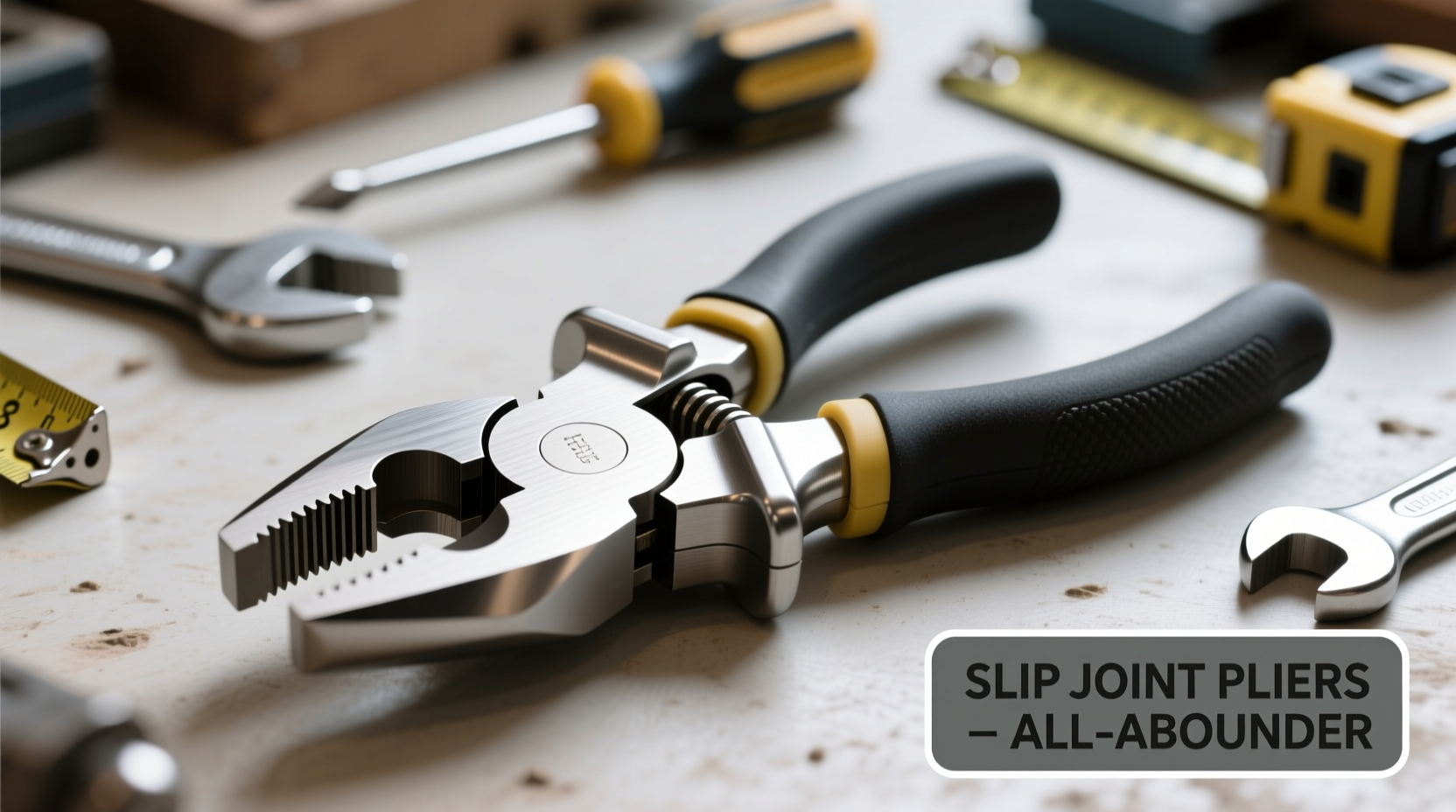
Unlike fixed-jaw pliers, slip joint pliers feature a movable rivet that allows the jaws to shift between two or more positions. This design enables users to switch between a standard gripping configuration for smaller objects and a wider opening for larger ones—typically up to 1.5 inches. This adaptability makes them ideal for general-purpose work where multiple tools might otherwise be needed.
Common applications include:
- Gripping and turning pipes, bolts, or fasteners
- Bending or cutting light-gauge wire
- Holding parts during assembly or repair
- Reaching into tight spaces due to their slim profile
Their versatility explains why both DIYers and professionals keep them within arm’s reach. However, reliability separates those that last years from those that fail after minimal use.
Key Features of High-Quality Slip Joint Pliers
Not all slip joint pliers are built equally. Several critical features determine whether a tool will perform reliably over time.
Durable Forged Steel Construction
The best models are forged from high-carbon steel, which provides strength without brittleness. Forging compresses the metal grain structure, increasing resistance to stress and reducing the chance of breakage at the pivot or jaw. Look for pliers labeled “drop-forged” and heat-treated—a process that hardens the cutting edges while maintaining flexibility in the handles.
Precision-Machined Jaws
Jaws should close tightly with no wobble when fully closed. The gripping surfaces typically feature serrated teeth designed to hold round or flat materials securely. Higher-end models have machined grooves optimized for hex nuts and pipe fittings, enhancing torque transmission without slipping.
Ergonomic Handle Design
Comfortable grips reduce hand fatigue during extended use. Dual-material handles—rubber over steel—are ideal because they absorb shock and improve grip, even with oily or wet hands. The handle length also affects leverage; 8-inch and 10-inch models offer better mechanical advantage than shorter versions.
Smooth Pivot Mechanism
The pivot rivet must move freely between positions but remain secure once set. A worn or loose pivot leads to instability, reducing control and safety. Some premium brands use replaceable rivets or bushings, extending the tool’s service life.
“Even basic tools should feel like an extension of your hand. If a plier wobbles or binds, it’s not just inconvenient—it’s dangerous.” — Daniel Reyes, Master Electrician & Tool Safety Instructor
Top Models That Deliver Reliability and Versatility
Based on performance testing, user feedback, and longevity data, several models stand out as consistently dependable.
| Model | Material | Length | Key Advantage | Best For |
|---|---|---|---|---|
| Klein Tools 67118 | Drop-forged Chrome Vanadium Steel | 8\" | Precision-machined jaws, lifetime warranty | Electrical and HVAC work |
| Channellock 420 | Forged Alloy Steel | 10\" | Wide jaw capacity, ergonomic grips | Plumbing and automotive |
| Irwin Vise-Grip 405S | Induction-hardened steel | 8\" | High-torque design, non-slip teeth | Heavy-duty repairs |
| Knipex 0506180 | Cr-V steel, polished finish | 7\" | Compact yet powerful, corrosion-resistant | Tight spaces and precision tasks |
While Klein and Channellock dominate North American markets due to availability and reputation, Knipex offers superior European engineering often preferred by detail-oriented tradespeople. Irwin’s Vise-Grip line brings industrial-grade clamping force to everyday pliers.
Maintaining Your Slip Joint Pliers for Longevity
A well-made pair can last decades with proper care. Routine maintenance prevents rust, preserves cutting edges, and ensures smooth operation.
- Clean after each use: Wipe off dirt, grease, and moisture with a dry cloth. Avoid submerging in water.
- Lubricate the pivot: Apply a drop of light machine oil monthly to the rivet to prevent stiffness.
- Check jaw alignment: Misaligned jaws reduce gripping power. Tap gently with a hammer if necessary, or replace if damaged.
- Store properly: Keep in a dry toolbox or hang on a pegboard—never leave in damp environments.
- Avoid misuse: Don’t use pliers as hammers or wrenches beyond their rated capacity.
Real-World Example: Fixing a Leaky Faucet
Consider a common household repair: replacing a worn faucet cartridge. The task requires removing a retaining nut deep inside the fixture, often corroded and difficult to access. A 10-inch Channellock 420 excels here. Its long handles provide ample leverage, while the slip joint allows adjustment to fit the nut snugly. The serrated jaws grip without rounding the edges, even on stubborn fittings. After loosening the nut, the same pliers help reposition supply lines and tighten connections—proving their value across multiple steps of a single job.
In contrast, a low-cost hardware store model with thin jaws and a loose pivot would likely slip, damaging the nut and requiring additional tools or replacement parts. The upfront investment in quality pays off in saved time and reduced frustration.
Choosing the Right Size and Style
Selecting the appropriate size depends on your typical workload:
- 6–7 inch: Ideal for electronics, jewelry repair, or confined areas. Less leverage but excellent control.
- 8 inch: The most popular size—balances portability and power. Suitable for home use and electricians.
- 10 inch: Best for heavy plumbing, automotive, or outdoor jobs. Requires more hand strength but delivers greater torque.
Some models also include secondary wire cutters near the pivot. While convenient, these are generally only effective on soft copper or stranded wire. Hardened steel cutters found on dedicated diagonal pliers are far superior for frequent cutting tasks.
Frequently Asked Questions
Can slip joint pliers be used on electrical work?
Yes, but only if they have insulated handles rated for electrical safety (typically up to 1000V). Klein Tools models are widely trusted for live circuit work. Never use damaged or unmarked pliers on energized systems.
What’s the difference between slip joint and tongue-and-groove pliers?
They are essentially the same tool. “Tongue-and-groove” refers to the sliding mechanism (the tongue of one jaw fits into a groove on the other), while “slip joint” describes the adjustable pivot. The terms are often used interchangeably.
How do I know when it’s time to replace my pliers?
Replace them if the jaws no longer close flush, the pivot is excessively loose, or the teeth are worn flat. Cracks in the handle or jaw base indicate structural failure and pose a safety hazard.
Final Thoughts and Action Steps
A reliable and versatile slip joint pliers isn’t just another tool—it’s a foundational element of any capable toolkit. When chosen wisely and maintained properly, it becomes a trusted partner in countless repairs, installations, and improvisations. Whether you're assembling furniture, repairing a bicycle, or tackling a bathroom leak, having a well-built pair in hand makes the job faster, safer, and more precise.
To get started:
- Inspect your current pliers for wear and functionality
- Compare your needs against the recommended models
- Invest in one high-quality pair if yours fall short
- Implement the maintenance routine outlined above




 浙公网安备
33010002000092号
浙公网安备
33010002000092号 浙B2-20120091-4
Comments
No comments yet. Why don't you start the discussion?