
For many home cooks, a gas grill is more than just an appliance—it’s the centerpiece of outdoor cooking. The convenience of instant ignition, consistent heat control, and minimal cleanup makes gas grills a top choice for weeknight dinners and weekend barbecues alike. But not all models offer the same balance of durability, cooking power, and affordability. Finding a grill that performs well without breaking the bank requires careful evaluation of materials, burner configuration, temperature range, and long-term reliability.
This guide focuses on identifying truly dependable gas grills that combine robust engineering with fair pricing. Whether you're a novice griller or upgrading from an aging unit, these recommendations are backed by real-world performance data, consumer feedback, and expert testing.
Key Features That Define a Reliable Gas Grill
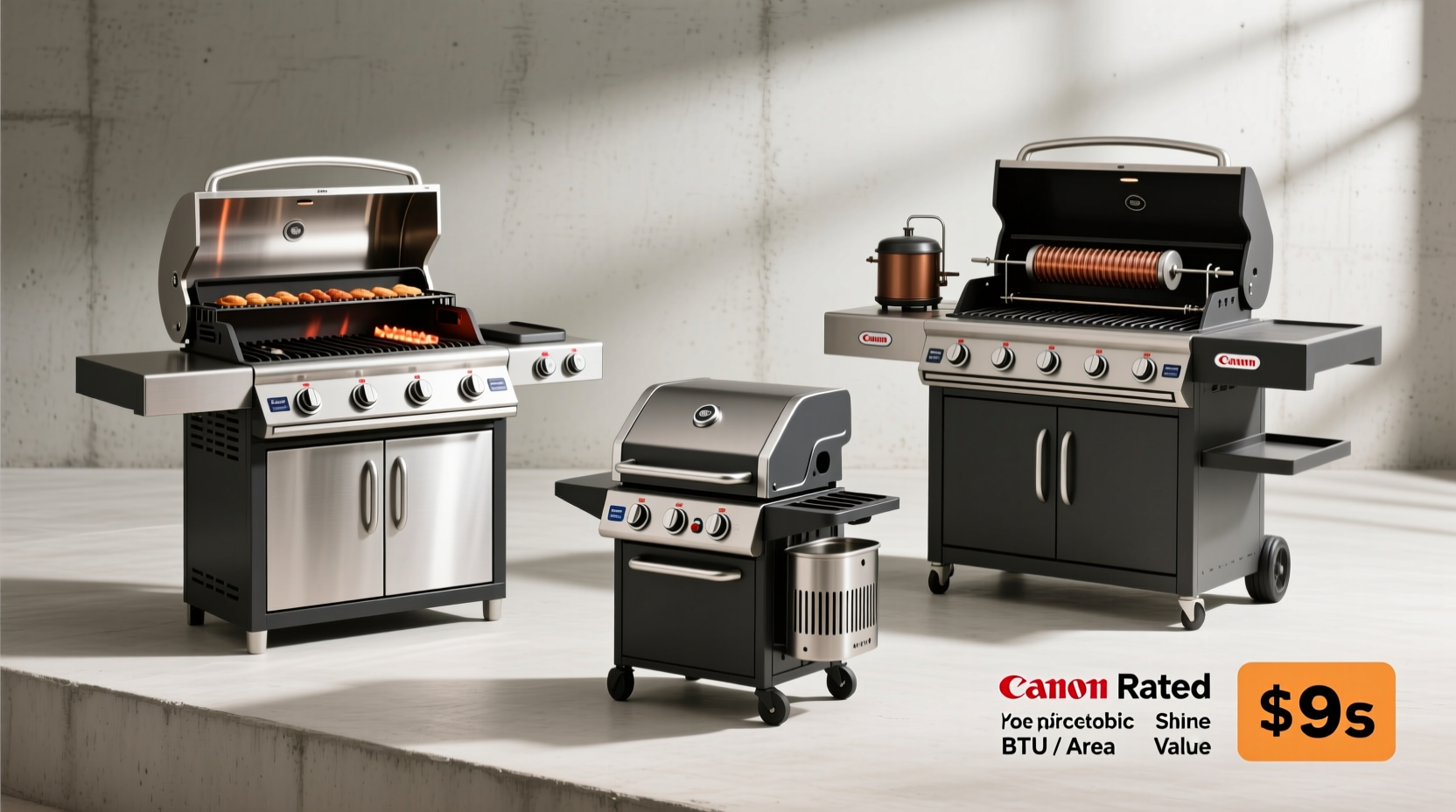
A high-performing gas grill isn’t defined solely by its price tag. Longevity and cooking consistency stem from specific design elements. Understanding these helps narrow down options to those that offer lasting value.
- Stainless steel burners: Resistant to rust and corrosion, especially important in humid or coastal climates.
- Cast iron or porcelain-coated grates: Provide superior heat retention and searing capability while resisting warping.
- BTU output per square inch: A ratio between 75–100 BTUs per cooking inch ensures efficient heating without excessive fuel use.
- Enclosed cart design: Protects propane tank and provides storage for tools, reducing exposure to weather.
- Side burners or rotisserie kits: Optional but valuable for expanding culinary versatility.
“Durability starts with construction. Look beyond stainless steel finishes—check whether internal components like valves and manifolds are also corrosion-resistant.” — James Roderick, Appliance Engineer & Outdoor Cooking Specialist
Top 5 Gas Grills Balancing Performance and Price
The following models have earned consistent praise across independent review platforms, customer testimonials, and durability tests. Each delivers reliable performance under regular use while staying within a reasonable budget—typically between $350 and $700.
| Model | Burners (BTUs) | Cooking Area (sq in) | Material Quality | Price Range |
|---|---|---|---|---|
| Weber Spirit II E-310 | 3 (30,000 total) | 529 | Cast aluminum body, stainless steel burners | $599 |
| Char-Broil Signature TRU-Infrared 4-Burner | 4 (45,000 total) | 675 | Stainless steel burners, porcelain-coated grates | $449 |
| Napoleon Rogue 425 | 4 (4x11,000) | 425 + 140 (rear) | Stainless steel construction, lifetime warranty on some parts | $699 |
| Broil King Regal S490 Pro | 4 (52,000 total) | 960 (main) + 260 (side) | Heavy-duty cast iron burners, dual-tube design | $649 |
| Cuisinart CGG-750T | 4 (42,000 total) | 752 | Porcelain-enameled lid, stainless steel burners | $379 |
The Weber Spirit II E-310 stands out for its compact footprint and exceptional build integrity. Despite being one of the smaller models, it maintains even heat distribution and comes with a Grease Management System that reduces flare-ups. Meanwhile, the Broil King Regal series offers commercial-grade durability at a residential price point—its dual-tube burners resist clogging and provide precise flame control.
Real-World Example: A Family’s Three-Year Grill Test
In suburban Colorado, the Martinez family replaced their old charcoal setup with a Weber Spirit II E-310. They use the grill year-round, averaging three sessions weekly during summer and one per week in winter. After 38 months of use—including exposure to snow, wind, and intense sun—the grill continues to ignite reliably and maintain steady temperatures.
They credit the longevity to simple habits: covering the unit daily, cleaning grates after each use, and checking for spider nests in burner tubes twice a year. “We expected to replace it by now,” said Carlos Martinez, “but it still heats up faster than our neighbor’s newer model.”
This case illustrates how proper maintenance multiplies the effective lifespan of even mid-tier grills—especially when core components are built to last.
Buying Checklist: How to Choose Your Next Gas Grill
Before making a purchase, evaluate potential models against this practical checklist:
- Confirm total primary cooking area meets your household size (minimum 25 sq in per person).
- Inspect burner material—avoid aluminized steel if living in damp environments.
- Test ignition system responsiveness (if possible) or read user reports on starter reliability.
- Check availability of replacement parts and customer service reputation.
- Ensure side shelves are sturdy enough for food prep and won’t wobble when loaded.
- Verify clearance requirements for installation (at least 12 inches from combustible walls).
- Look for grease trays that are easy to remove and clean.
Frequently Asked Questions
Is a higher BTU rating always better?
No. While BTUs measure heat output, efficiency depends on how well the grill retains and distributes that heat. A poorly insulated grill with 60,000 BTUs may perform worse than a well-sealed model with 40,000 BTUs. Focus on BTU per square inch of cooking surface instead.
Can I leave my gas grill outside all year?
Yes, most modern gas grills are designed for outdoor use, but using a durable cover significantly extends life. In freezing climates, disconnect the propane tank during extended cold spells to prevent regulator issues.
How often should I clean my gas grill?
Scrape grates after every cook. Perform a full cleaning—burners, flavorizer bars, grease tray—every 3 to 4 months with moderate use. More frequent cleaning is needed if cooking fatty meats regularly.
Final Recommendations and Action Steps
Investing in a reliable gas grill means prioritizing consistent performance over flashy extras. Models like the Weber Spirit II E-310 and Broil King Regal S490 Pro prove that thoughtful engineering beats gimmicks. These grills heat evenly, resist wear, and support years of dependable service with basic care.
To make your decision easier:
- Measure your available patio or deck space before browsing.
- Read verified owner reviews focusing on long-term reliability (12+ months).
- Consider purchasing during off-season sales (September–November) for discounts up to 30%.
“The best grill isn’t the biggest or most expensive—it’s the one you’ll actually use, maintain, and enjoy for years.” — Linda Park, Outdoor Kitchen Designer
Take the Next Step Today
Don’t settle for a grill that fails after two seasons. Use the insights above to compare models based on real performance metrics, not marketing claims. Whether you choose the precision of Napoleon, the proven track record of Weber, or the value-packed Cuisinart, ensure your next grill supports both your cooking style and your budget. Your future backyard meals depend on it.




 浙公网安备
33010002000092号
浙公网安备
33010002000092号 浙B2-20120091-4
Comments
No comments yet. Why don't you start the discussion?