
In modern kitchens where counter space is at a premium, over range microwaves (ORMs) offer a smart solution: combining essential cooking functionality with efficient use of vertical space. Mounted directly above your cooktop or range, these units free up valuable countertop real estate while integrating ventilation and microwave capabilities into one streamlined appliance. For homeowners, renters, and kitchen designers alike, selecting a model that balances reliability, compact engineering, and usability is critical. This guide explores top-performing models, key design considerations, and practical insights to help you choose the best over range microwave with space-saving features.
Why Over Range Microwaves Are Ideal for Compact Kitchens
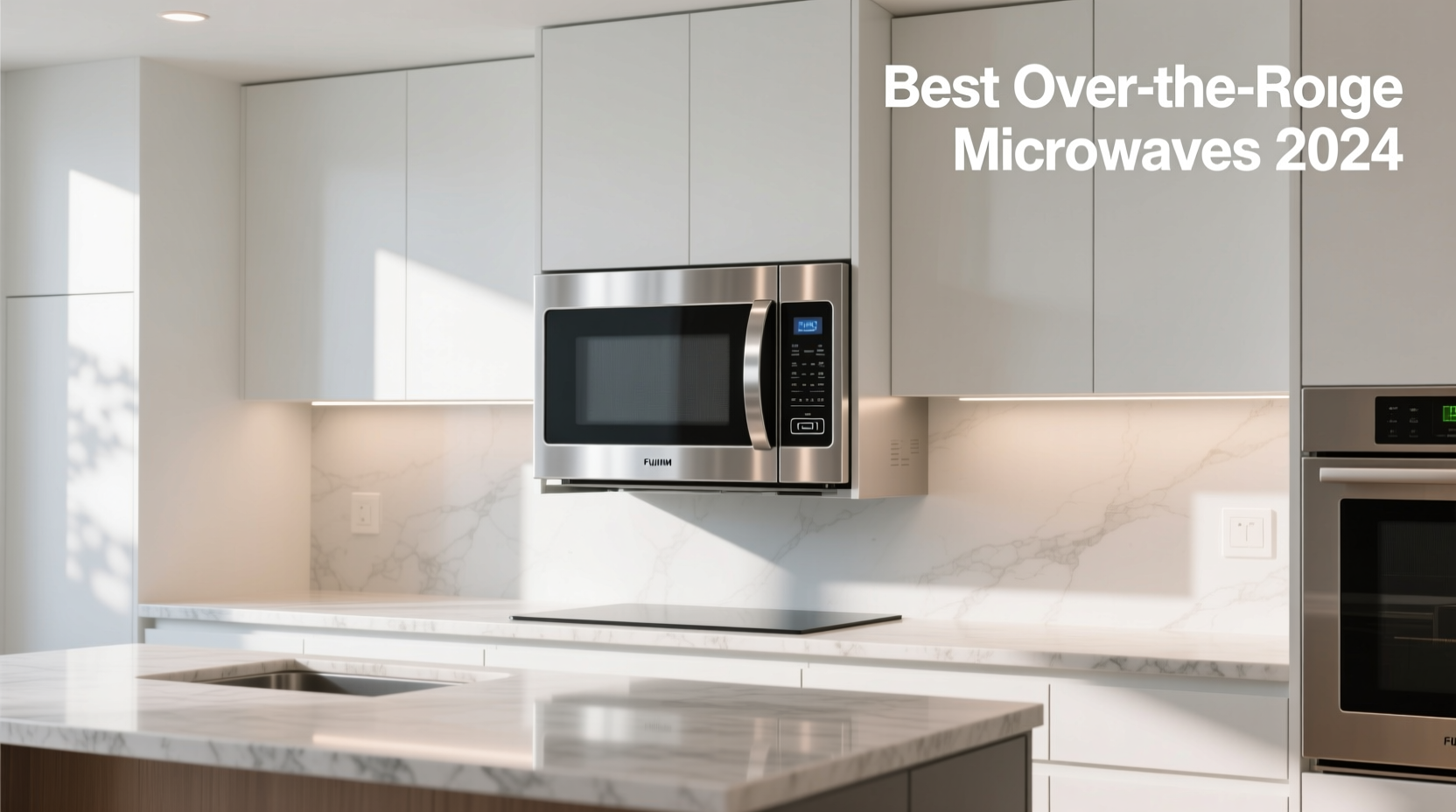
Kitchen layouts in apartments, small homes, and open-concept spaces often leave little room for bulky appliances. Over range microwaves solve this by utilizing otherwise unused wall space above the stove. Unlike countertop models, ORMs don’t compete for surface area, making them ideal for galley kitchens or multi-functional cooking zones.
Beyond space efficiency, many over range microwaves include built-in exhaust fans that vent air either outside (vented) or recirculate it through charcoal filters (ductless). This dual-purpose design eliminates the need for a separate range hood, simplifying both installation and visual clutter. When engineered with slim profiles and recessed mounting options, certain models enhance headroom and reduce obstruction—key factors for comfort and accessibility.
Top Reliable Models with Space-Saving Features
Not all over range microwaves are created equal when it comes to footprint, depth, and user-friendly design. The following models stand out for their balance of compact dimensions, dependable performance, and thoughtful engineering.
| Model | Capacity | Depth (inches) | Ventilation Type | Special Feature |
|---|---|---|---|---|
| Sharp SMO2574DS | 2.2 cu ft | 15.5 | Vented/Recirculating | Low-profile design, sensor cooking |
| GE JVM3160DFWW | 1.6 cu ft | 16.0 | Recirculating | Compact footprint, easy-clean filter |
| Whirlpool WMO76519HS | 1.9 cu ft | 15.8 | Vented | Steam clean function, minimalist trim |
| Samsung ME18H704SFS | 1.8 cu ft | 15.2 | Ductless | Spacewise interior layout, eco mode |
The Sharp SMO2574DS, for example, is frequently praised for its low-profile chassis, which reduces projection into the room—a major benefit in kitchens with lower ceilings. Meanwhile, Samsung’s ME18H704SFS uses internal cavity optimization to maximize usable space despite its shallow external depth. These models exemplify how manufacturers are rethinking spatial dynamics without sacrificing power or convenience.
Key Features That Maximize Space Efficiency
When evaluating an over range microwave, look beyond wattage and price. Prioritize features that contribute directly to space conservation and long-term usability.
- Shallow Depth Design: Units under 16 inches deep fit better beneath standard cabinetry and reduce forward overhang.
- Flush Mounting Options: Some models allow flush or recessed installation, creating a built-in aesthetic and improving clearance.
- Integrated Controls: Side or top-mounted controls prevent the need to reach over hot pots when adjusting settings.
- Efficient Ventilation Systems: High-CFM (cubic feet per minute) blowers in compact housings ensure strong airflow without larger footprints.
- Internal Lighting and Turntable Design: Bright LED lighting and retractable or removable turntables improve visibility and flexibility for taller dishes.
“Consumers increasingly prioritize seamless integration. The best space-saving microwaves aren’t just small—they’re intelligently designed.” — Daniel Ruiz, Appliance Design Consultant at KitchenTech Labs
Installation Tips for Optimal Space Use
Even the most compact microwave can feel intrusive if installed incorrectly. Proper placement ensures safety, accessibility, and visual harmony.
- Check Clearance Requirements: Follow manufacturer guidelines and local building codes. Most recommend 30–36 inches between the cooktop and the microwave’s bottom.
- Verify Cabinet Compatibility: Ensure upper cabinets provide enough structural support for mounting hardware.
- Plan Ventilation Routing: If using external venting, confirm access to an exterior wall or roof. Ductless models offer more flexibility but require regular filter maintenance.
- Use Template Provided: Manufacturers include paper templates to mark drill points accurately. Skipping this step risks misalignment.
- Secure All Fasteners: Anchor the unit firmly to wall studs or cabinet framing to prevent sagging or vibration over time.
Real-World Example: A City Apartment Upgrade
In a 550-square-foot Brooklyn apartment, homeowner Lena Chen struggled with a cluttered kitchen. Her old countertop microwave blocked prep space, and the dangling cords were a hazard. After consulting a kitchen designer, she replaced it with a Samsung ME18H704SFS over range model. Its 15.2-inch depth allowed full cabinet closure above, and the integrated light made the cooktop easier to monitor.
“I didn’t realize how much I’d gain until it was installed,” Lena said. “Now I have room for my coffee station, and the fan actually clears smoke from stir-frying. It feels like we added two square feet just by moving one appliance.”
This case illustrates how strategic appliance selection can transform functionality in tight spaces—without requiring a full renovation.
Common Pitfalls to Avoid
While over range microwaves offer numerous advantages, poor choices can lead to frustration. Be mindful of the following:
- Ignoring Height Clearance: Tall users or those with children may find deep or low-hanging units difficult to operate safely.
- Overlooking Noise Levels: Some compact models compensate for smaller fans with higher RPMs, resulting in louder operation.
- Choosing Excessive Capacity: Larger cavities often mean deeper units. A 1.6–1.9 cu ft model is sufficient for most households.
- Neglecting Filter Maintenance: Recirculating systems require cleaning every 1–3 months to maintain efficiency and prevent odors.
Frequently Asked Questions
Can I install an over range microwave myself?
Yes, if you're comfortable with basic tools and electrical connections. However, models requiring hardwiring or external venting are best handled by a licensed electrician or HVAC technician to ensure compliance with local codes.
Do space-saving microwaves sacrifice cooking power?
Not necessarily. Many compact models deliver 900–1000 watts, sufficient for reheating, defrosting, and simple cooking tasks. Look for inverter technology for more consistent heating at lower power levels.
Are there over range microwaves designed for rental kitchens?
Yes. Ductless models like the GE JVM3160DFWW are popular in rentals because they don’t require permanent ductwork. They’re also easier to uninstall and take with you when moving.
Final Recommendations and Next Steps
Selecting the best over range microwave with space-saving features involves more than checking dimensions. It requires understanding your kitchen’s workflow, ventilation needs, and long-term usage patterns. Models from Sharp, GE, Whirlpool, and Samsung consistently earn high marks for reliability, compact engineering, and user satisfaction.
Before purchasing, create a checklist: measure clearance, determine venting options, assess control layout, and verify warranty coverage. Whether you're upgrading a busy family kitchen or optimizing a studio apartment, the right over range microwave can elevate both form and function.




 浙公网安备
33010002000092号
浙公网安备
33010002000092号 浙B2-20120091-4
Comments
No comments yet. Why don't you start the discussion?