
Lock picking is more than a mechanical skill—it’s a discipline that blends precision, patience, and the right tools. Whether you're a hobbyist exploring locksport, a locksmith building a service kit, or someone preparing for emergency access, having dependable tools is non-negotiable. Not all picks are created equal. The difference between success and frustration often lies in quality, design, and suitability for the task. This guide breaks down the most reliable lock picking tools available today, categorized by experience level and intended use.
Understanding Lock Picking Tool Types
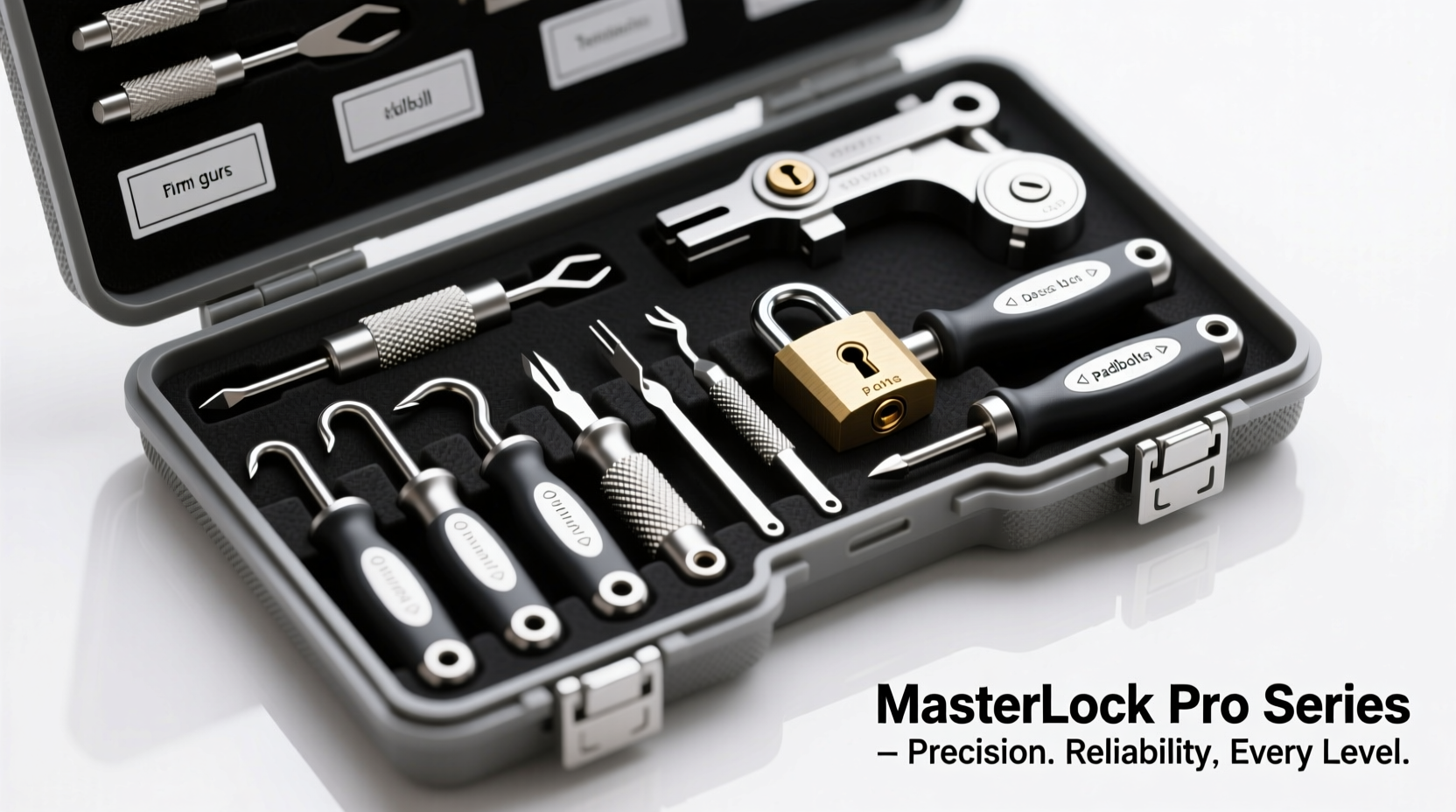
Before selecting tools, it's essential to understand the primary categories used in manual lock manipulation:
- Picks: Shaped metal tools inserted into the keyway to manipulate pins or wafers.
- Tension wrenches: Used to apply rotational pressure to the plug, simulating key turning.
- Bump keys and bumping tools: For kinetic entry methods (less common among purists).
- Electric pick guns: Motorized devices that vibrate pins into position—fast but less precise.
The core of any toolkit revolves around picks and tension tools. Mastery begins with understanding how each shape interacts with different lock mechanisms—pin tumbler, wafer, dimple, or disc-detainer systems.
Beginner-Friendly Tools: Building Confidence Safely
Newcomers benefit most from forgiving, durable tools that emphasize feel over finesse. Entry-level kits should prioritize ergonomics, clear feedback, and simplicity.
A high-quality beginner set typically includes:
- Medium-hook pick (ideal for single-pin manipulation)
- Diamond pick (versatile for raking)
- L-shaped tension wrench (standard torque application)
- Short hook (for tighter keyways)
- Practice padlock or transparent training lock
Brands like Sparrows Lock Picks, SouthOrd, and Peterson offer starter kits made from hardened steel with smooth finishes to reduce friction. These tools resist bending and provide consistent tactile feedback—critical when learning to identify binding pins.
“Your first 50 hours of lock picking are about muscle memory, not speed. Invest in tools that won’t fail mid-session.” — Daniel Feldman, Locksmith & Locksport Educator
Recommended Starter Kit Checklist
- At least two tension wrenches (light and medium tension options)
- One hook pick (medium curve)
- One rake (double-sided or Bogota-style)
- Transparent training lock with visible internals
- Carrying case to prevent loss and damage
Intermediate Tools: Precision and Specialization
As technique improves, so must tool refinement. Intermediate users start encountering varied keyway profiles, security pins (spools, serrated), and restricted access scenarios. At this stage, customization becomes valuable.
Advanced features include:
- Ergonomic handles for reduced hand fatigue
- Thinner, stiffer shanks for tight tolerances
- Specialty picks (offset hooks, half-diamonds, snake rakes)
- Adjustable tension tools with torque meters
Sparrows’ Black Series and Peterson’s ICA line are widely respected for their metallurgy and attention to detail. Their offset designs allow access to ward-restricted locks commonly found in older buildings or European hardware.
| Tool Type | Best For | Recommended Brand | Price Range |
|---|---|---|---|
| Hook Pick (Fine Tip) | Single-pin picking with spool pins | Peterson ICS | $25–$35 |
| Bogota Rake | Quick opening of basic pin tumblers | Sparrows | $20–$30 |
| Offset Tension Wrench | High-security locks with shallow keyways | Locklab | $15–$25 |
| Electric Pick Gun | Fast entries (e.g., automotive, commercial) | SEI Auto-Pik | $80–$120 |
Professional-Grade Equipment: Reliability Under Pressure
For locksmiths and field technicians, tool failure isn't an option. Professional kits demand durability, discretion, and rapid deployment. Many pros carry modular setups tailored to specific jobs—residential, automotive, safes, or high-security facilities.
Top-tier professionals often rely on:
- Custom-machined picks from boutique makers (e.g., Lockpick Shop UK, Deadlock)
- Titanium-coated tools for corrosion resistance
- Folding pick cases that resemble everyday tools
- Micro-controlled electric picks with variable stroke settings
In high-stakes situations—such as law enforcement entry or safe servicing—precision outweighs speed. A finely crafted hook pick can detect subtle feedback from mushroom pins that cheaper tools miss entirely.
Mini Case Study: Residential Lockout Response
A certified locksmith responds to a call where a homeowner is locked out of a Schlage Everest cylinder—a model known for spool pins and tight tolerances. Standard rakes fail due to false sets. The technician switches to a Peterson GSP1 Gemini hook, known for its sensitivity and rigidity. Using light tension and careful lifting, they isolate each binding pin. The lock opens in under 90 seconds without damaging the mechanism. The right tool didn’t just save time—it preserved the customer’s existing hardware, avoiding costly replacement.
Avoiding Common Pitfalls: What Not to Do
Even experienced pickers fall into traps that compromise results or damage tools. Awareness prevents setbacks.
| Do | Don’t |
|---|---|
| Use proper tension—start light and increase gradually | Apply excessive force causing lock or tool damage |
| Keep tools clean and dry to prevent rust | Store picks loosely in pockets or bags |
| Practice on dedicated training locks | Work on locks in active use without permission |
| Invest in quality early; cheap sets bend easily | Assume all “premium” branded kits are well-made |
Counterfeit tools flood online marketplaces. Look for serial numbers, brand verification, and direct vendor sourcing. Genuine Sparrows, for example, do not sell through third-party platforms without authorized partners.
FAQ
Are lock picks legal to own?
In most U.S. states and many countries, owning lock picks is legal provided there's no intent to commit a crime. However, laws vary—check local statutes. In some regions (e.g., Massachusetts, Canada), possession may require proof of locksmith licensing.
Can I pick any lock with one universal tool?
No. While multi-tools exist, they lack the precision needed for complex locks. Success depends on matching the pick profile to the lock’s internal design and keyway restrictions.
How long does it take to become proficient?
With regular practice, most people open simple pin tumbler locks within a few weeks. Mastery—handling security pins, restricted keyways, and double-sided locks—can take months or years of deliberate training.
Final Thoughts and Call to Action
Reliable lock picking tools aren’t just about metal and craftsmanship—they’re extensions of your skill. From the first tentative lift of a beginner’s hook to the confident twist of a pro’s custom tension wrench, the right equipment makes the difference between struggle and success. Choose tools that grow with you, maintain them diligently, and always respect the ethics of access.




 浙公网安备
33010002000092号
浙公网安备
33010002000092号 浙B2-20120091-4
Comments
No comments yet. Why don't you start the discussion?