
Flashing is one of the most critical yet often overlooked components in construction and roofing. When properly installed, it prevents water intrusion at joints, seams, and transitions—areas particularly vulnerable to leaks. Choosing the right materials and tools isn't just about compliance; it's about long-term durability, energy efficiency, and structural integrity. Whether you're a contractor, builder, or homeowner tackling a renovation, understanding which flashing systems perform best under real-world conditions can save thousands in future repairs.
Why Flashing Matters in Building Envelope Performance
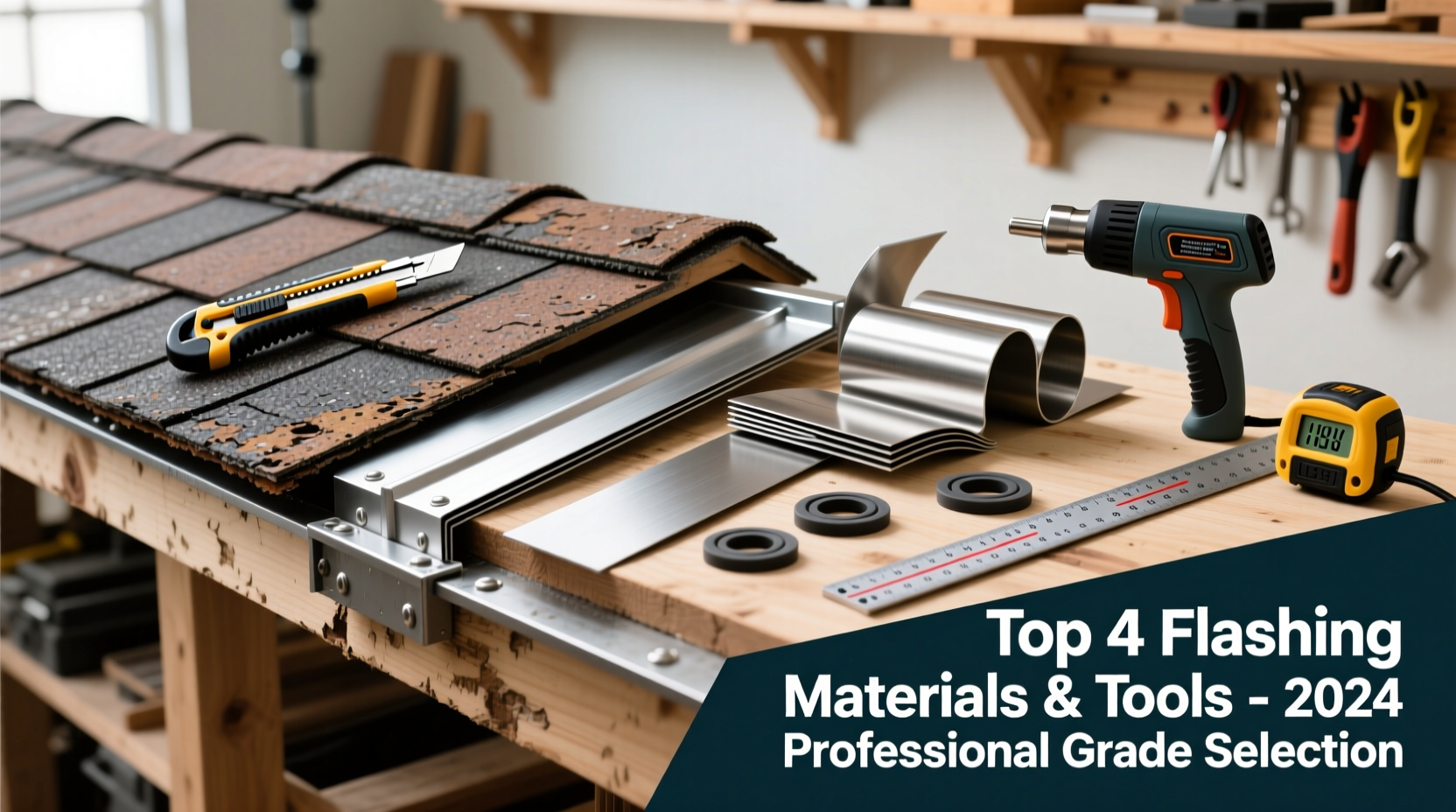
The building envelope acts as the first line of defense against moisture, wind, and temperature fluctuations. Flashing plays a pivotal role in maintaining this barrier, especially around windows, doors, chimneys, roof valleys, and wall intersections. Poorly executed or low-quality flashing leads to rot, mold, compromised insulation, and even structural failure over time.
According to the National Institute of Building Sciences, water intrusion accounts for over 70% of premature building failures. Much of this damage originates from faulty or missing flashing. A well-flashed detail doesn’t just redirect water—it manages airflow and vapor diffusion, contributing to overall energy performance.
“Flashing isn’t an add-on; it’s integral to the design. If your flashing fails, your entire wall system is at risk.” — James Holloway, Architect and Building Science Consultant
Top Flashing Materials: Performance, Pros, and Limitations
Not all flashing materials are created equal. The choice depends on location, climate, substrate, and expected lifespan. Below is a breakdown of the most reliable options available today.
| Material | Lifespan | Best For | Pros | Cons |
|---|---|---|---|---|
| Copper | 50+ years | Roof valleys, chimneys, premium projects | Extremely durable, malleable, self-healing oxide layer | Expensive, requires skilled labor, can stain lighter materials |
| Stainless Steel | 30–40 years | Coastal areas, high-moisture zones | Corrosion-resistant, strong, non-combustible | Pricier than aluminum, harder to cut and shape |
| Aluminum | 20–25 years | Window and door openings, soffits | Lightweight, affordable, easy to form | Reacts with pressure-treated wood, not ideal for coastal regions |
| Galvanized Steel | 15–20 years | General roofing applications | Budget-friendly, widely available | Prone to rust over time, especially in humid climates |
| Synthetic (Rubberized Asphalt, Butyl, PVC) | 20–30 years | Window wraps, step flashing, complex geometries | Conforms easily, adhesive-backed, no metal corrosion | UV-sensitive (unless protected), limited repositioning once applied |
Essential Tools for Professional Flashing Installation
Even the best materials fail if installed incorrectly. Precision tools ensure clean cuts, proper fit, and secure fastening. Here are the must-have tools for effective flashing work:
- Tin Snips (Straight & Curved): Ideal for cutting metal flashing without warping edges. High-leverage models reduce hand fatigue.
- Double-Offset Brake (for custom bends): Allows precise folding of metal edges to create drip edges or return flanges.
- Heavy-Duty Stapler or Cap Nailer: Secures synthetic membranes quickly, especially under sheathing or housewrap.
- Seaming Pliers: Used to lock seams in metal flashing for watertight joints.
- Butyl Tape Applicator: Ensures consistent application of adhesive backing for self-sealing flashings.
- Quality Caulking Gun (with regulated flow): For applying sealant at terminations and overlaps.
For large-scale projects, investing in a portable sheet metal brake or electric nibbler can drastically improve accuracy and speed. Never use standard scissors or utility knives on metal—this leads to jagged edges and poor performance.
Step-by-Step Guide: Installing Window Flashing Using Best Practices
Windows are common leak points due to multiple intersecting planes. Follow this sequence for a fully drained, integrated flashing system:
- Prepare the Rough Opening: Apply a fluid-applied waterproofing membrane or peel-and-stick WRB (Weather Resistant Barrier) to the sill and jambs.
- Install Sill Flashing: Use a continuous piece of flexible flashing (e.g., rubberized asphalt) that extends up the sides and across the sill, sloped outward at 1/4” per foot.
- Set the Window Unit: Shim level and square, ensuring the nailing flange is accessible.
- Apply Head Flashing: Install an L-shaped metal or synthetic cap over the top of the window, lapping onto the siding above.
- Side (Jamb) Flashing: Integrate vertical strips that overlap the sill and extend behind the exterior finish.
- Integrate with Weather Barrier: All layers should be shingle-style—higher pieces lap over lower ones to direct water outward.
- Seal Perimeter (if required): Use compatible, non-shrinking sealant only at the outer edge, never as a primary water barrier.
This method creates a drainage plane that allows incidental moisture to escape while blocking bulk water.
Mini Case Study: Retrofitting Flashing on a Leaky Coastal Home
A historic cottage in Maine had persistent leaks around window frames each winter. Initial inspection revealed aluminum flashing corroded by salt spray and improperly lapped joints. The original installer used caulk instead of layered flashing, which failed within five years.
The renovation team replaced all metal components with marine-grade stainless steel and added butyl tape at seams. They also retrofitted fluid-applied flashing at sills using a UV-stable polymer-modified asphalt. After re-siding with cedar shingles properly integrated over the new system, the home remained completely dry through two subsequent harsh winters. Energy bills dropped slightly due to reduced air infiltration—a secondary benefit of tighter detailing.
Checklist: Selecting and Installing Reliable Flashing
Use this checklist before starting any flashing project:
- ✅ Assess climate zone and exposure (wind-driven rain, snow load, salt air)
- ✅ Match flashing material to substrate and adjacent metals
- ✅ Choose pre-formed vs. custom-fabricated based on complexity
- ✅ Verify compatibility with sealants and adhesives
- ✅ Plan for expansion and contraction (especially with long metal runs)
- ✅ Install in accordance with manufacturer specs and local codes
- ✅ Inspect all laps and terminations before covering
- ✅ Document details for future maintenance or warranty claims
Frequently Asked Questions
Can I mix different types of metal flashing?
No, unless separated by a non-conductive barrier. Mixing dissimilar metals (e.g., copper and aluminum) causes galvanic corrosion when exposed to moisture. Always consult compatibility charts or use non-metallic alternatives in mixed-material scenarios.
Is peel-and-stick flashing better than traditional metal?
It depends on the application. Peel-and-stick excels in irregular shapes and behind claddings where metal can’t reach. However, exposed metal provides superior abrasion resistance and longevity. Most experts recommend hybrid systems—using both where appropriate.
How often should flashing be inspected or replaced?
Inspect every 5–7 years, especially after severe weather. Metal flashing may last decades but should be checked for loose fasteners, cracks, or corrosion. Synthetic membranes degrade faster if exposed to UV light and should be covered promptly.
Final Recommendations and Next Steps
The reliability of your building’s flashing system hinges on informed choices—not just material selection, but proper installation and integration with other weather-resistive components. Copper and stainless steel remain top-tier for longevity, while advanced synthetics offer unmatched flexibility for modern designs. Pair these with precision tools and proven techniques, and you’ll significantly reduce the risk of water damage.
Don’t treat flashing as an afterthought. Design it in from the start. Consult manufacturers’ technical guides, follow ASTM and IRC standards, and train crews on best practices. A few extra hours spent on quality flashing today can prevent catastrophic failures tomorrow.




 浙公网安备
33010002000092号
浙公网安备
33010002000092号 浙B2-20120091-4
Comments
No comments yet. Why don't you start the discussion?