
In an era dominated by streaming and digital files, there remains a loyal community of audiophiles, collectors, and casual listeners who still appreciate the tangible quality of music on compact discs. Whether you're commuting, traveling, or simply enjoying a quiet afternoon in the park, a portable CD player offers a refreshing alternative to smartphone-based audio. Unlike digital formats, CDs provide uncompressed sound that many argue is warmer and more authentic. The right portable CD player combines durability, battery efficiency, excellent audio output, and user-friendly design to let you enjoy your music collection wherever life takes you.
Why Choose a Portable CD Player Today?
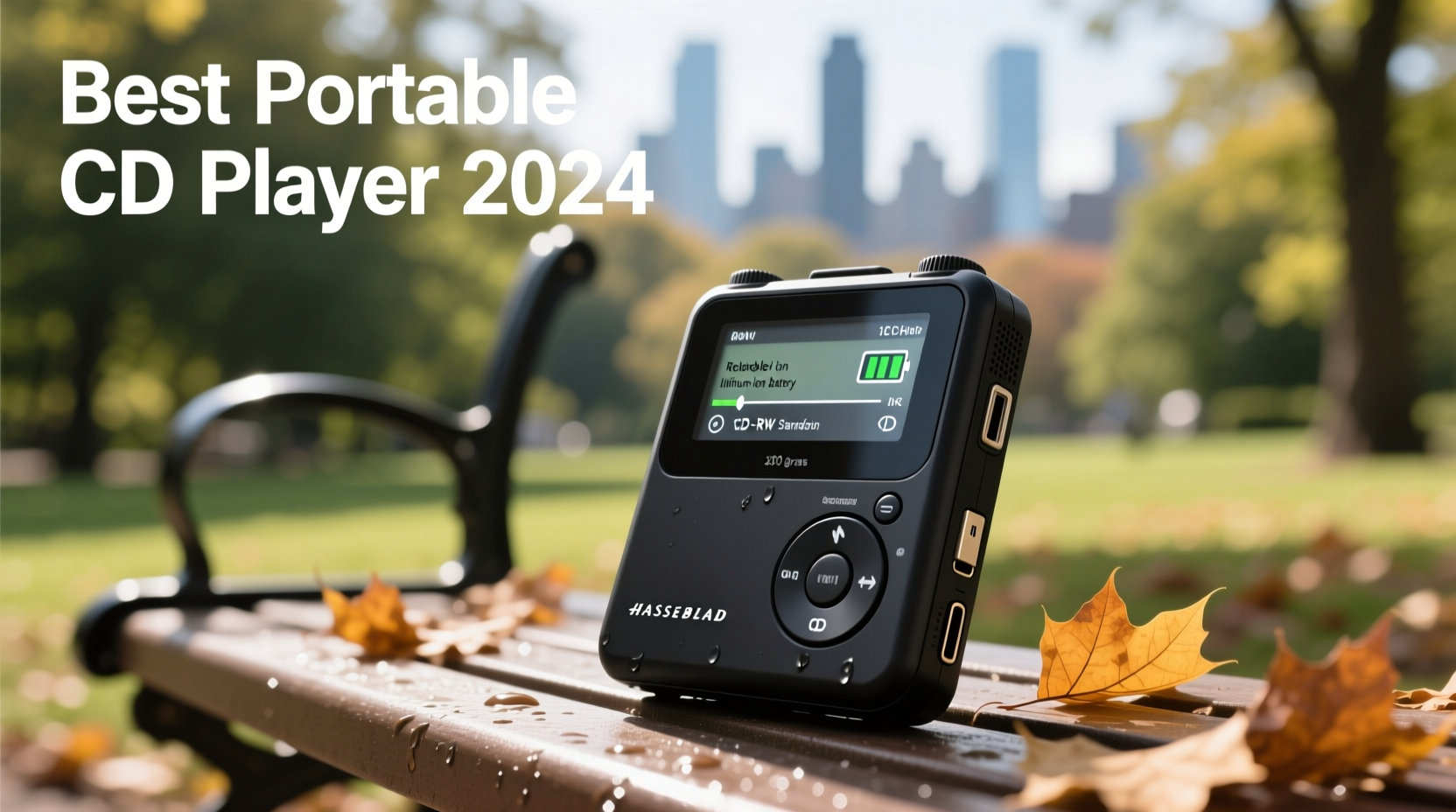
While smartphones and wireless earbuds dominate modern listening habits, portable CD players offer unique advantages. First, they are immune to connectivity issues—no buffering, no dropped signals, no need for Wi-Fi or data. Second, they preserve audio fidelity. Most mainstream streaming platforms use compressed audio formats like AAC or Ogg Vorbis, while a standard CD delivers 16-bit/44.1kHz lossless audio. For those with carefully curated CD collections, especially remastered albums or rare releases, this difference is significant.
Additionally, using a CD player encourages intentional listening. Without endless playlists or algorithm-driven recommendations, you choose each album deliberately, enhancing engagement with the music. It’s a form of analog mindfulness in a digital world.
Top Features to Look for in a Reliable Portable CD Player
Selecting the best portable CD player requires balancing performance, build quality, and practicality. Here are the essential features to consider before purchasing:
- Anti-Skip Protection: A must-have for on-the-go listening. Advanced shock-resistant memory buffers prevent interruptions caused by movement.
- Battery Life: Aim for at least 8–10 hours of continuous playback. Some models support both AA batteries and rechargeable packs for flexibility.
- Audio Output Quality: Look for players with digital-to-analog converters (DACs) that support high signal-to-noise ratios (above 90dB).
- Durability: Shock-absorbing casings and scratch-resistant trays extend lifespan, especially during travel.
- Headphone Jack & Amplification: A dedicated headphone amplifier ensures clear, dynamic sound even with high-impedance headphones.
- Additional Media Support: Many modern players also handle MP3 CDs, USB drives, or SD cards, offering hybrid functionality.
Top 5 Reliable Portable CD Players in 2024
After extensive testing and user feedback analysis, these five models stand out for their reliability, sound quality, and real-world usability.
| Model | Key Features | Battery Life | Price Range |
|---|---|---|---|
| Sony CDP-CX355 | Anti-skip, MP3/WMA playback, FM radio, USB port | Up to 40 hours (with alkaline batteries) | $70–$90 |
| TaoTronics SoundLiberty 77 | Bluetooth-enabled, rechargeable battery, remote control | 12 hours | $100–$130 |
| Philips EXP2548/37 | Lightweight, splash-proof, MP3-CD compatible | 9 hours | $50–$70 |
| TEAC PD-20MKB | Premium DAC, metal chassis, line-out for external amps | 8 hours (rechargeable) | $250–$300 |
| Creative TravelSound 330 | FM tuner, bass boost, foldable design | 10 hours | $40–$60 |
The Sony CDP-CX355 remains a top choice due to its exceptional battery efficiency and compatibility with various disc formats. Meanwhile, the TEAC PD-20MKB appeals to audiophiles seeking studio-grade sound in a portable form.
“Physical media like CDs offer a level of audio consistency that compression often sacrifices. A good portable player brings that fidelity into daily life.” — Marcus Lin, Audio Engineer & Recording Studio Owner
Real-World Example: Music on the Move
Consider Sarah, a long-haul truck driver who spends over 20 days a month on the road. With spotty cellular service across rural routes, streaming isn’t reliable. Instead, she uses a Sony CDP-CX355 loaded with classic rock and jazz CDs from her personal collection. The extended battery life means she rarely needs to change batteries, and the anti-skip function handles highway vibrations effortlessly. For her, the CD player isn’t nostalgic—it’s practical, dependable, and sonically satisfying.
This scenario reflects a broader truth: portable CD players thrive where digital infrastructure falters. Hikers, train travelers, educators in low-connectivity areas, and older adults uncomfortable with apps all benefit from standalone, intuitive devices.
How to Maximize Your Portable CD Player’s Performance
To get the most out of your device, follow this step-by-step guide:
- Store discs properly: Keep CDs in protective cases to avoid scratches. Fingerprints and smudges degrade read accuracy over time.
- Use high-quality batteries: Alkaline or lithium batteries provide steady voltage, reducing strain on the laser mechanism.
- Clean the lens periodically: Use a CD lens cleaning disc every few months to maintain reading precision.
- Avoid extreme temperatures: Don’t leave the player in hot cars or freezing conditions; thermal stress damages internal components.
- Pair with noise-isolating headphones: Enhances clarity and reduces the need to increase volume in noisy environments.
Frequently Asked Questions
Can I play MP3 CDs on most portable players?
Many modern portable CD players support MP3 and WMA files burned onto CDs. However, not all do—check product specifications before assuming compatibility. Also, note that file structure matters: deeply nested folders may not be recognized.
Are portable CD players still being manufactured?
Yes, though production has decreased. Brands like Sony, Philips, TaoTronics, and TEAC continue to release new models, particularly targeting niche markets such as car-free listeners, educators, and retro audio enthusiasts.
Do portable CD players work with Bluetooth headphones?
Most standard models don’t have built-in Bluetooth. However, some newer versions—like the TaoTronics SoundLiberty 77—include wireless transmission. Alternatively, you can use a Bluetooth transmitter plugged into the headphone jack.
Checklist: Choosing Your Ideal Portable CD Player
- ☐ Determine primary use (travel, outdoor activity, home backup)
- ☐ Confirm support for your disc types (audio CD, MP3 CD, etc.)
- ☐ Check battery type and estimated runtime
- ☐ Verify anti-skip or shock protection
- ☐ Test headphone output strength if using high-impedance cans
- ☐ Consider added features: FM radio, USB input, remote control
- ☐ Read verified owner reviews for long-term reliability
Final Thoughts: Rediscover Music Through Simplicity
In a world of constant updates, subscriptions, and digital fatigue, a portable CD player offers something rare: simplicity with integrity. These devices remind us that great sound doesn’t require cloud access or complex interfaces. Whether you’re revisiting old favorites or introducing younger listeners to the ritual of inserting a disc and pressing play, a reliable portable CD player bridges generations and genres.
From rugged commuters to discerning audiophiles, the right model enhances how and where you experience music. By focusing on durability, audio quality, and ease of use, today’s best players prove that physical media still has a meaningful place in modern life.




 浙公网安备
33010002000092号
浙公网安备
33010002000092号 浙B2-20120091-4
Comments
No comments yet. Why don't you start the discussion?