
For decades, the humble key ring fob has been the standard interface between driver and vehicle—unlocking doors, popping trunks, and sometimes starting the engine with a twist of the key. But as automotive technology evolves, remote car starters have moved from luxury add-ons to mainstream features. In 2024, many drivers are asking: Is upgrading from a basic key ring system to a dedicated remote car starter truly worth it?
The answer isn’t just about convenience—it’s about climate, safety, vehicle longevity, and integration with modern smart systems. Whether you live in Minnesota winters or Arizona summers, the ability to start your car remotely can significantly impact daily comfort and efficiency. Let’s examine the practical differences, evaluate real-world benefits, and help you determine if this upgrade makes sense for your lifestyle and budget.
Understanding the Key Differences
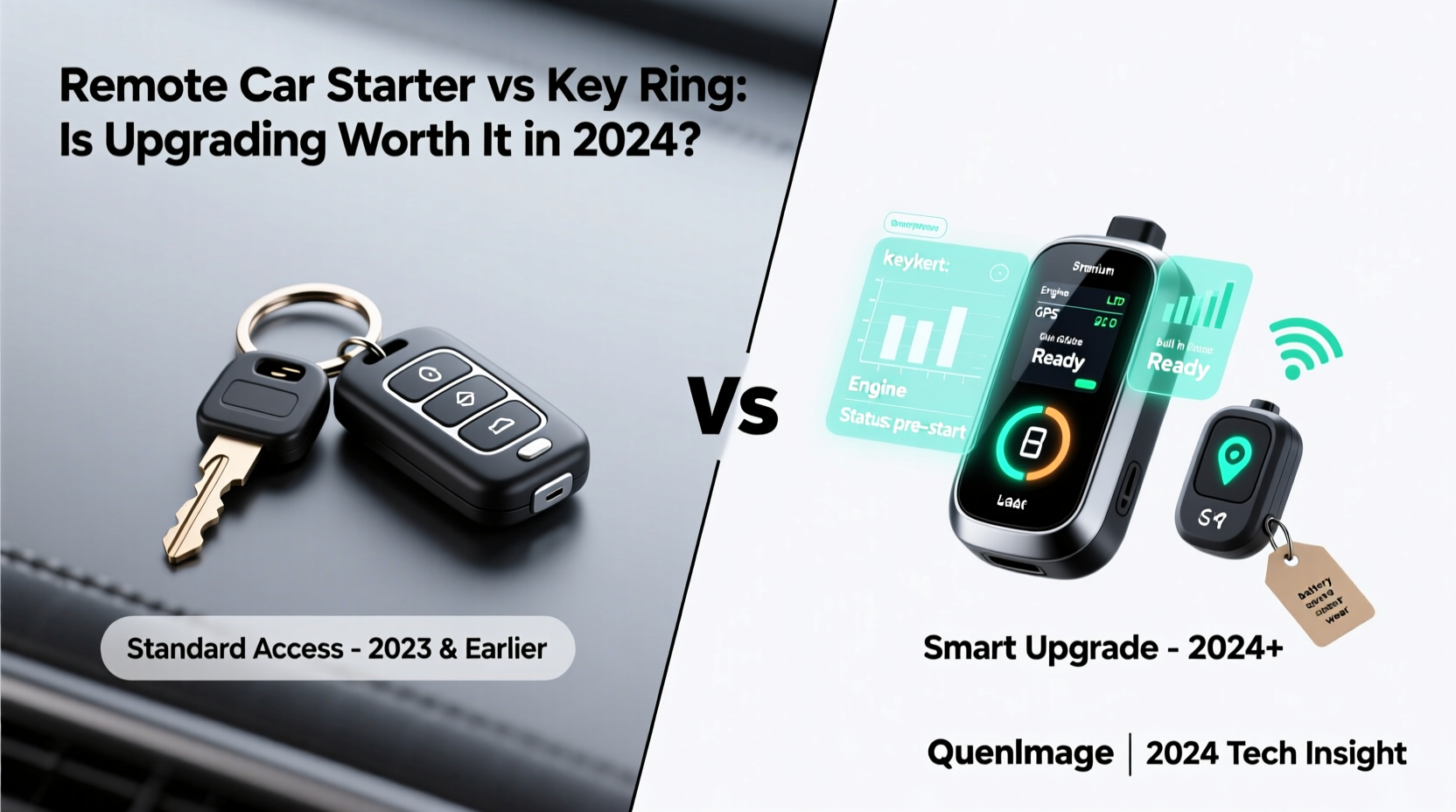
A traditional key ring fob typically offers three core functions: locking/unlocking doors, opening the trunk, and activating the panic alarm. Some newer models include a limited-range remote start feature—usually within 30 to 50 feet—integrated into the same device. However, a standalone or enhanced remote car starter system goes much further.
Modern remote starters allow users to ignite the engine from hundreds of feet away—sometimes even from inside their homes—using either an extended-range radio frequency (RF) signal or a smartphone app via Wi-Fi or cellular networks. These systems often come with two-way communication, meaning the device confirms whether the car started successfully and may relay information like cabin temperature or battery status.
The distinction matters because not all “remote starts” are equal. What appears to be a minor upgrade on paper can translate into major improvements in usability, especially during extreme weather conditions.
When a Remote Car Starter Adds Real Value
In regions with harsh winters, pre-warming your car isn't just about comfort—it's about safety. Cold engines are harder to start, oil thickens, and visibility suffers due to icy windshields. A remote start allows the engine to warm up, defrost windows, and circulate heat through the cabin before you step outside.
Likewise, in hot climates, a pre-cooled interior reduces reliance on high-energy AC blasts once driving begins. This not only improves comfort but also decreases strain on the air conditioning system over time. Studies by the National Renewable Energy Laboratory suggest that preconditioning a vehicle in extreme temperatures can improve fuel efficiency by up to 12% in cold weather and reduce cabin temperatures by over 30°F when parked in direct sun.
Vehicle Longevity and Engine Health
Contrary to popular myth, remote starting does not harm your engine when used properly. Modern vehicles are designed to idle safely for 10–15 minutes after a remote start, and most systems automatically shut off if the brake pedal is pressed without the key present. In fact, allowing the engine to warm up gradually under load can reduce wear compared to immediate aggressive driving on a cold start.
“Preheating your engine in sub-freezing temperatures can reduce internal friction by up to 50%, extending component life.” — Dr. Alan Zhou, Automotive Systems Engineer at Michigan Tech Research Institute
Security and Smart Integration in 2024
One common concern is whether adding a remote start system compromises vehicle security. The reality is that today’s certified aftermarket systems and factory-installed options use rolling-code encryption and require synchronization with the car’s immobilizer. Many integrate directly with OEM security protocols, making them no less secure than the original key fob.
Moreover, smartphone-based platforms like FordPass, BMW ConnectedDrive, or Hyundai Bluelink offer geofencing, theft alerts, and remote lock/unlock—all alongside remote start functionality. These apps provide greater control and monitoring than a physical key fob ever could.
Remote Start vs Key Ring Fob: Feature Comparison
| Feature | Basic Key Ring Fob | Advanced Remote Car Starter (2024) |
|---|---|---|
| Start Range | Up to 50 ft | Up to 1,000 ft or unlimited (via app) |
| Two-Way Feedback | No | Yes (LED confirmation, app alerts) |
| Smartphone Control | Rare | Standard on most new systems |
| Climate Preconditioning | Limited | Full HVAC control via timer or app |
| Security Integration | OEM level | Fully integrated with immobilizer & alarms |
| Installation Complexity | N/A (factory included) | Professional install recommended |
Cost Considerations and Installation Reality
Factory-equipped remote start systems typically add $150–$500 to a new vehicle’s price tag. Aftermarket kits range from $250 to $600, depending on brand, range, and smart features. Professional installation is strongly advised—not only for reliability but also to maintain warranty compliance on newer vehicles.
While the upfront cost may seem steep, consider the long-term savings: reduced windshield wear from excessive scraping, lower AC usage in summer, and improved resale value. Vehicles equipped with modern convenience tech tend to retain value better, particularly in colder markets.
Mini Case Study: Commuter in Minneapolis
Sarah K., a healthcare worker in Minneapolis, drives a 2020 Honda CR-V with a factory key fob but no remote start. During winter months, she spends an average of 12 minutes each morning scraping ice, warming the engine, and waiting for defrosters to clear her view. Over a 90-day winter season, that’s 18 hours lost to cold-weather prep.
Last fall, she installed a $400 aftermarket remote start with smartphone control. Now, she starts her car from bed at 7:15 a.m., giving it 10 minutes to defrost and heat the cabin. Her morning routine is smoother, her stress levels lower, and she reports fewer instances of being late due to weather delays. She estimates the upgrade paid for itself in time saved within four months.
Step-by-Step Guide to Upgrading Your System
If you're considering making the switch, follow this logical sequence to ensure a smooth transition:
- Check Vehicle Compatibility: Verify if your car supports aftermarket remote start. Some push-button ignition systems require bypass modules.
- Determine Desired Features: Decide between RF-only remotes, two-way pagers, or full smartphone integration.
- Choose OEM or Aftermarket: Factory systems are seamless but pricier; reputable brands like Compustar or Viper offer powerful alternatives.
- Select a Certified Installer: Improper wiring can disable airbags or void warranties. Use authorized dealers or shops with positive reviews.
- Test and Train: After installation, test range, feedback signals, and shutdown procedures. Program automatic start schedules based on your routine.
Common Misconceptions Debunked
- “Remote starting wastes gas.” While idling consumes fuel, modern engines are efficient. A 10-minute warm-up uses roughly 0.2–0.4 gallons—less than the extra fuel burned by driving aggressively on a cold engine.
- “It’s only for luxury cars.” Affordable systems now exist for economy vehicles, including older models dating back to the early 2000s.
- “It drains the battery.” Quality systems monitor voltage and shut down if battery levels drop too low. Most have safeguards against accidental prolonged idling.
FAQ
Can I install a remote car starter myself?
While DIY kits exist, professional installation is highly recommended. Modern vehicles have complex electrical systems, and incorrect wiring can lead to malfunctions or safety issues. Certification ensures compatibility and warranty protection.
Does remote start work with manual transmissions?
Yes, but it requires additional safety components like a neutral safety switch and clutch lockout. Not all systems support stick shifts, so verify compatibility before purchasing.
Will a remote starter void my warranty?
Not if installed correctly. Under the Magnuson-Moss Warranty Act, manufacturers cannot void warranties solely due to aftermarket parts unless they directly cause damage. Choose CARPROOF-certified or dealer-approved installations for peace of mind.
Final Verdict: Is It Worth It in 2024?
In 2024, the decision to upgrade from a basic key ring fob to a remote car starter depends on your environment, daily routine, and expectations for vehicle convenience. For those in moderate climates who rarely face extreme temperatures, the benefit may be marginal. But for anyone dealing with freezing winters, scorching summers, or tight schedules, the upgrade delivers tangible returns in comfort, efficiency, and time saved.
With smarter integration, stronger security, and wider availability than ever before, remote car starters have evolved beyond gimmicks into practical tools for modern drivers. When paired with smartphone apps and vehicle diagnostics, they represent part of a broader shift toward connected, responsive transportation.




 浙公网安备
33010002000092号
浙公网安备
33010002000092号 浙B2-20120091-4
Comments
No comments yet. Why don't you start the discussion?