
Every holiday season, neighborhoods light up with towering snowmen, dancing elves, and giant Santa figures that bob and spin in the front yard. Many of these festive displays now come equipped with remote controls, promising effortless operation and dynamic effects. But as their popularity grows, so do questions about their practicality. Are remote controlled Christmas inflatables truly worth the investment, or do the noise, complexity, and maintenance outweigh the cheer they bring?
This article examines every angle—functionality, convenience, neighborhood impact, and long-term value—to help you make an informed decision before your next holiday purchase.
The Rise of Remote Controlled Inflatables
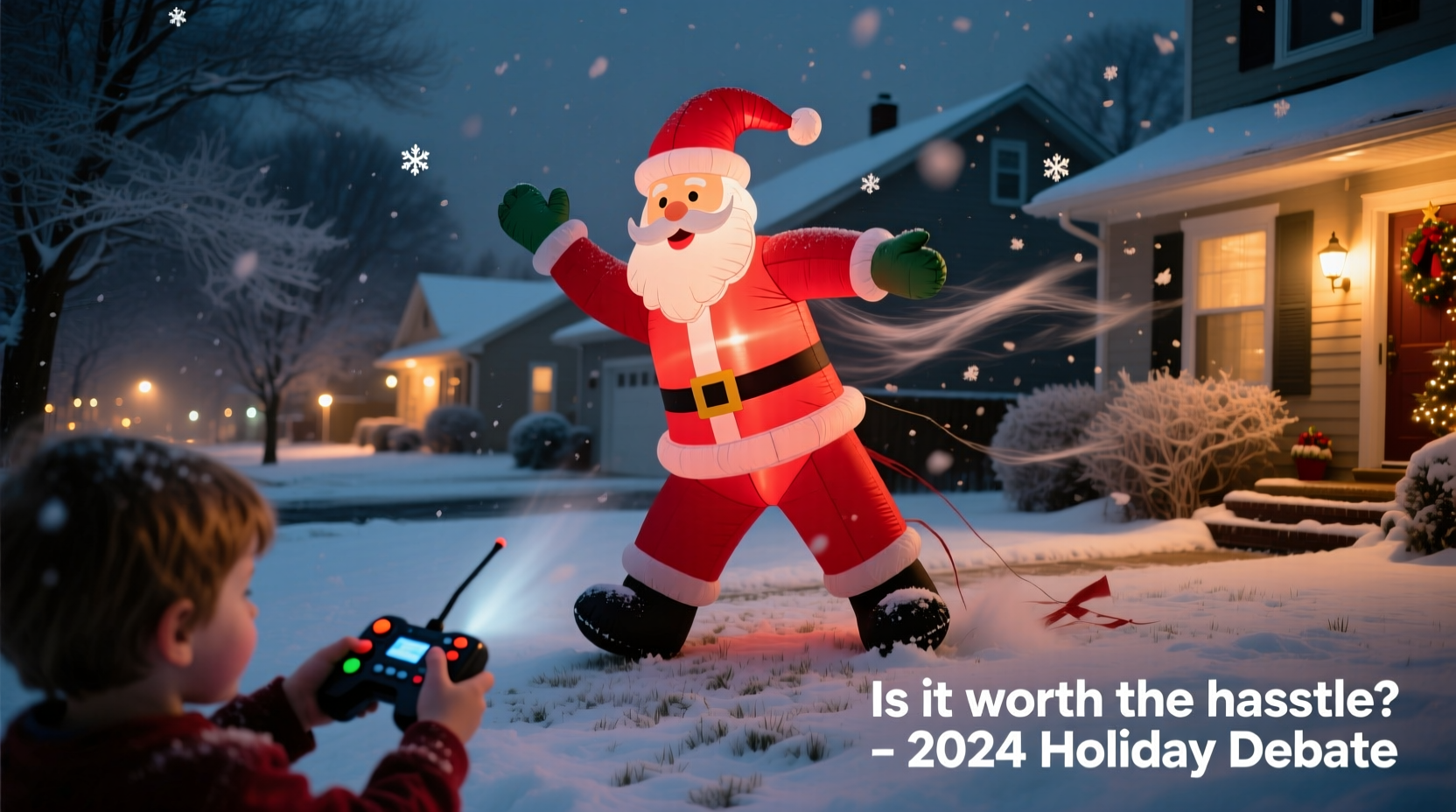
Remote controlled (RC) Christmas inflatables have evolved from simple blow-up Santas into interactive centerpieces. Modern versions include features like music synchronization, motion control, lighting sequences, and even voice activation. With a press of a button, homeowners can turn on, off, or change animations without stepping outside.
The appeal is clear: convenience, customization, and spectacle. No more fumbling with extension cords in the cold or manually adjusting props mid-display. For families who take holiday decorating seriously, RC inflatables offer a level of control that traditional decorations simply can’t match.
Yet, this advancement comes with trade-offs. Increased electronics mean more points of failure. Motors and fans generate noise. And not all remotes work reliably beyond short distances or through walls. As one suburban homeowner put it: “I wanted magic, but I got static interference and a blinking reindeer that only half-inflates.”
Pros and Cons: A Balanced View
To determine whether RC inflatables are worth the hassle, it helps to weigh their benefits against their drawbacks.
| Advantage | Drawback |
|---|---|
| Convenience: Turn displays on/off remotely, schedule lighting times, or cycle animations without leaving the couch. | Noise: Internal fans and motors produce a constant hum, which can be disruptive, especially at night or in quiet neighborhoods. |
| Customization: Adjust brightness, music volume, or animation speed based on time of day or event. | Reliability Issues: Remotes may fail due to dead batteries, signal interference, or water damage. |
| Entertainment Value: Kids love animated characters; some models sync to holiday music for a mini-light show effect. | Higher Cost: RC models cost 30–50% more than standard inflatables. |
| Energy Efficiency: Some models allow precise scheduling, reducing power usage during unused hours. | Maintenance: More components mean more cleaning, storage prep, and risk of damage. |
The table reveals a central tension: enhanced functionality versus increased complexity. While the ability to control your display remotely sounds ideal, real-world performance often falls short—especially when weather, battery life, or Wi-Fi interference enter the equation.
Real-Life Example: The Johnson Family’s Holiday Display
The Johnsons in Maple Grove, Minnesota, invested in a high-end RC inflatable collection three years ago: a 12-foot Santa sleigh, a singing snowman, and a rotating candy cane arch. Excited by YouTube videos showing seamless automation, they expected a plug-and-play experience.
The first year was mostly smooth—until December 20, when the sleigh refused to inflate. After troubleshooting, they discovered ice had formed inside the fan housing due to moisture ingress. The remote worked, but the unit wouldn’t respond. They spent two hours disassembling and drying it in the garage.
Last winter, the issue repeated. This time, the remote failed entirely during a neighborhood lights tour. “We had 40 people walking through our yard,” said Mark Johnson, “and Santa was just… deflated. Literally.”
Despite the setbacks, the Johnsons kept their setup. “The kids love it,” he added. “And honestly, once it’s working, it looks incredible. But I wouldn’t recommend it to anyone who hates tech issues or lives in a snowy climate.”
Their story illustrates a common pattern: emotional payoff versus operational frustration. For passionate decorators, the spectacle justifies the effort. For casual users, it might not.
Expert Insight: What Industry Professionals Say
We spoke with Laura Nguyen, a seasonal product designer at a major outdoor decor manufacturer, about the reliability and future of RC inflatables.
“Remote control technology has improved dramatically in five years—better waterproofing, longer battery life, and stronger RF signals. But consumer expectations haven’t adjusted. People assume these are ‘set and forget’ devices, but they still require maintenance. If you treat them like any electronic appliance—store them dry, check seals yearly, use surge protectors—you’ll get three to five good seasons out of them.” — Laura Nguyen, Outdoor Decor Engineer
Nguyen also warned against using third-party remotes or DIY modifications. “We’ve seen cases where users tried syncing inflatables to smart home systems using IR blasters. It often leads to signal conflicts or motor burnout. Stick to the manufacturer’s ecosystem unless you’re technically experienced.”
Step-by-Step Guide to Maximizing Your RC Inflatable Experience
If you’ve decided to go the RC route, follow this proven process to minimize issues and extend lifespan.
- Inspect Before Setup: Unpack and examine seams, fans, and wiring. Look for punctures or moisture inside the blower unit.
- Test Indoors First: Plug in the unit and test the remote in a dry room. Confirm all functions (on/off, music, motion) work.
- Use a GFCI Outlet: Always connect through a ground-fault circuit interrupter to prevent electrical hazards, especially in wet conditions.
- Elevate Off Ground: Place on a tarp or plastic base to avoid direct contact with snow, ice, or standing water.
- Set a Schedule: Use built-in timers or smart plugs to limit runtime (e.g., 4–10 PM), reducing wear and energy costs.
- Monitor Weather: Bring indoors during heavy snow, ice storms, or high winds to prevent structural stress.
- End-of-Season Care: Fully dry the unit before packing. Store in a breathable bag in a temperature-stable area.
Checklist: Is an RC Inflatable Right for You?
Before purchasing, ask yourself the following:
- Do I live in a mild climate with minimal snow or ice accumulation?
- Am I comfortable troubleshooting minor tech issues (e.g., resetting remotes, replacing batteries)?
- Do I plan to use the display frequently, or just occasionally?
- Is noise a concern for me or my neighbors, especially at night?
- Am I willing to invest extra time in setup, monitoring, and storage?
- Do I value customization and automation over simplicity?
If you answered “yes” to most of the last three questions, an RC model may suit you. If not, a standard inflatable with a basic timer might deliver similar joy with less stress.
Frequently Asked Questions
Can I use a smart plug instead of the remote?
Yes—and often, it’s smarter. Smart plugs allow app-based or voice-controlled on/off switching via Alexa or Google Assistant. They eliminate remote dependency and can integrate into broader holiday lighting schedules. However, they won’t control animations or music unless the inflatable has those modes hardwired to power cycles.
Why does my inflatable make a loud humming noise?
The sound comes from the internal blower fan keeping the structure inflated. Cheaper models tend to be noisier due to lower-quality motors. To reduce noise, place the unit farther from windows or bedrooms, or look for newer models advertised as “quiet blowers.” Some brands now use brushless DC fans that operate at 45–50 dB, comparable to a refrigerator.
How long do RC inflatables typically last?
With proper care, 3–5 seasons is realistic. Factors like UV exposure, moisture, and physical wear affect longevity. Units stored wet or exposed to rodents may fail within one or two years. Using protective covers and storing in a dry basement significantly extends life.
Final Verdict: Worth It—With Conditions
Remote controlled Christmas inflatables are worth the hassle and noise—but only if you approach them with realistic expectations and a maintenance mindset. They aren’t magical, self-sustaining holiday bots; they’re seasonal appliances with moving parts and limitations.
For enthusiastic decorators who enjoy tinkering and want maximum visual impact, RC inflatables deliver unmatched convenience and flair. The ability to change scenes during a holiday party or dim lights after bedtime adds a layer of sophistication to outdoor displays.
However, if you prioritize peace and quiet, dislike technical setups, or live in a harsh winter environment, the downsides likely outweigh the benefits. The noise, potential malfunctions, and extra upkeep can turn festive fun into seasonal stress.
The key is alignment: match the decoration to your lifestyle, not just your wishlist.
“The best holiday display isn’t the loudest or tallest—it’s the one you enjoy setting up and don’t dread taking down.” — Tom Reynolds, Seasonal Lighting Consultant
Take Action This Season
Whether you're upgrading from manual inflatables or starting fresh, assess your priorities before buying. Consider renting a high-end RC model this year to test it firsthand. Many party supply stores and online platforms offer short-term rentals—ideal for trial runs.
If you already own RC inflatables, apply the care steps outlined here to extend their life. And if you decide they’re not for you? There’s no shame in returning to classic string lights and ceramic reindeer. Joy doesn’t require batteries.




 浙公网安备
33010002000092号
浙公网安备
33010002000092号 浙B2-20120091-4
Comments
No comments yet. Why don't you start the discussion?