
Remote job interviews have become the standard in today’s digital-first hiring landscape. While candidates often focus on rehearsing answers or choosing a quiet space, many miss the subtle signals that hiring managers actually evaluate. Behind the screen, decision-makers are not just listening to your words—they’re observing behavior, presence, communication style, and even emotional intelligence. Understanding what truly stands out can shift your approach from simply “passing” an interview to making a lasting impression.
The virtual format amplifies certain cues while minimizing others. Without physical proximity, hiring managers rely more heavily on vocal tone, facial expressions, pacing, and environmental context. These elements, when managed intentionally, can position you as a composed, capable, and culturally aligned candidate—even before you mention your resume achievements.
Presence and Professionalism: The First Impression Online
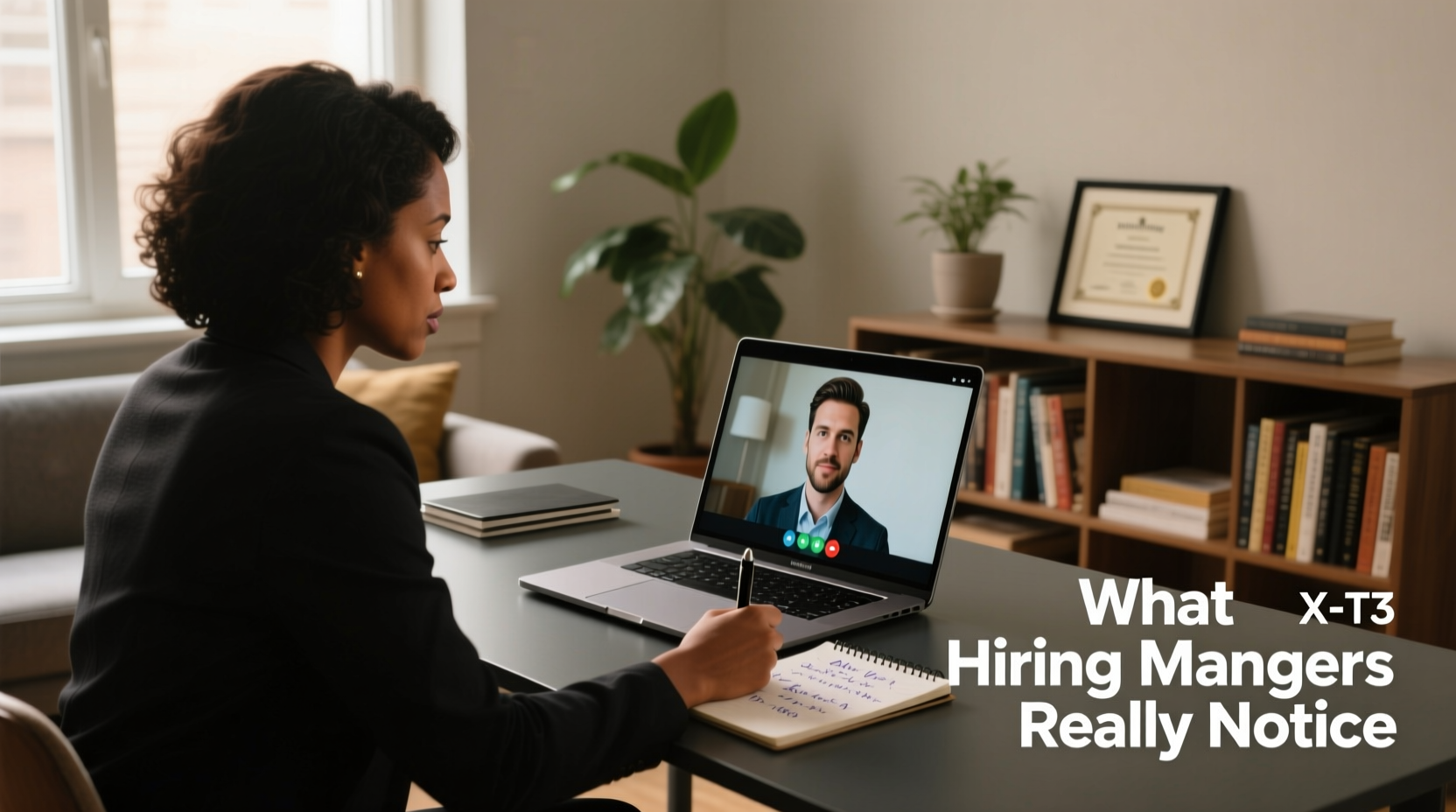
In-person interviews begin with a handshake and posture. In remote settings, your first impression is framed by camera angle, lighting, background, and attire. Hiring managers subconsciously assess whether you take the interaction seriously based on these visual cues.
A cluttered background, poor lighting, or being in pajama tops (even if hidden below the frame) can signal a lack of preparation. Conversely, a clean, neutral backdrop, well-framed face, and professional top demonstrate respect for the process and attention to detail.
Voice clarity matters too. Speaking too softly, mumbling, or using a low-quality microphone can make you seem disengaged or unprepared. A $20 USB headset can significantly improve audio quality and show technical awareness—a small investment with high returns.
Communication Style: What Your Words Reveal Beyond Content
Hiring managers don’t just evaluate *what* you say—they analyze *how* you say it. Overly scripted responses feel robotic, while excessive rambling suggests poor self-awareness or lack of structure.
Candidates who succeed strike a balance: they speak with purpose, use concise storytelling (STAR method), and maintain natural flow. They pause thoughtfully instead of rushing to fill silence. This conveys confidence and critical thinking.
Equally telling is how you listen. Nodding appropriately, maintaining eye contact (by looking at the camera, not the screen), and responding without interrupting reflect emotional intelligence—an increasingly vital trait in distributed teams.
“Candidates who listen actively and respond with clarity often stand out more than those with perfect answers.” — Sarah Lin, Talent Acquisition Lead at RemoteTech Inc.
Technical Preparedness: The Silent Interviewer
Nothing disrupts credibility faster than technical hiccups. Hiring managers expect candidates to manage their own tech setup. Frequent freezing, audio dropouts, or last-minute Zoom link confusion create friction and raise doubts about reliability.
It’s not enough to join on time. You must test your connection, software, and devices 30 minutes before the call. Close unnecessary tabs to avoid lag. Have a backup plan—like a mobile hotspot—in case Wi-Fi fails.
One overlooked aspect? Camera positioning. If your camera is too low, you appear domineering; too high, and you look passive. Eye-level alignment creates a sense of equality and engagement.
Checklist: Technical Readiness Before Every Remote Interview
- Test internet speed and switch to Ethernet if possible
- Update video conferencing software
- Charge laptop and plug in if needed
- Close all non-essential applications
- Do a full audio-video test with a friend or recording
- Confirm meeting link and password access
- Have a pen and notepad ready (avoid typing during the call)
Behavioral Cues That Signal Cultural Fit
Remote roles demand self-direction, trustworthiness, and collaboration. Hiring managers look for signs that you’ll thrive without constant oversight. How you describe past experiences reveals this.
Candidates who emphasize autonomy—like managing deadlines independently or proactively solving problems—signal strong remote readiness. Those who only highlight team efforts without personal accountability may seem dependent on in-person support.
Another red flag: blaming previous employers for communication failures. Instead of criticizing, effective candidates reframe challenges constructively. For example: “My last team had asynchronous workflows, so I started documenting decisions in shared notes to reduce misalignment.” This shows initiative, not complaint.
| Behavior | What It Suggests | How to Improve |
|---|---|---|
| Overuse of filler words (“like,” “um,” “you know”) | Nervousness or lack of preparation | Practice aloud and record yourself |
| Speaking negatively about past managers | Poor emotional regulation | Reframe experiences neutrally or positively |
| Maintaining steady eye contact (via camera) | Confidence and engagement | Position camera above screen at eye level |
| Asking insightful questions about workflow | Proactive mindset and curiosity | Research company tools and async practices |
| Frequent glancing off-screen | Distracted or reading notes excessively | Use bullet-point prompts, not full scripts |
Mini Case Study: From Nervous Candidate to Top Hire
Jamal applied for a customer success role at a fully remote SaaS company. His initial interview was shaky—he spoke too fast, his background was busy, and he kept checking his phone. The hiring manager noted concerns about focus and professionalism.
Before the second round, Jamal invested time in preparation. He bought a ring light, cleaned his workspace, practiced answers using the STAR method, and did three mock interviews with a mentor. He also researched the company’s Slack and Notion usage to tailor his responses.
In the follow-up interview, his transformation was evident. He smiled naturally, paused before answering, and asked specific questions about onboarding documentation. He mentioned how he’d used similar tools remotely in freelance work.
He got the offer. The feedback? “You showed growth, self-awareness, and remote maturity. We knew you could operate independently.”
Step-by-Step Guide: Optimizing Your Remote Interview Performance
Success isn’t accidental. Follow this timeline to prepare strategically:
- 7 Days Before: Research the company’s remote culture. Are they async-heavy? Do they use daily standups? Tailor your examples accordingly.
- 3 Days Before: Draft answers to common questions using the STAR framework. Focus on remote-relevant skills: time management, written communication, initiative.
- 1 Day Before: Test your tech setup. Record a 2-minute self-introduction and review body language, tone, and clarity.
- 30 Minutes Before: Log in early. Sit quietly, breathe, and center yourself. Have water and notes nearby—but out of camera view.
- During the Interview: Listen fully before responding. Use phrases like “That’s a great question—let me think for a moment” to buy time gracefully.
- After the Interview: Send a personalized thank-you email within 24 hours. Reference a specific topic discussed to reinforce engagement.
What Hiring Managers Wish Candidates Knew
Beyond resumes and qualifications, hiring managers are assessing long-term fit. Can you be trusted to deliver without supervision? Will you communicate proactively when stuck? Do you adapt well to change?
They also watch for authenticity. Over-polished answers can backfire. One engineering manager shared: “If someone answers every behavioral question flawlessly in under 30 seconds, I wonder if they’re reciting memorized lines. I prefer honest, slightly imperfect stories that show real reflection.”
Another insight: enthusiasm matters. A candidate with slightly less experience but genuine interest in the role and company often beats a technically stronger but disengaged applicant. Passion is visible through energy, follow-up questions, and specific praise for the organization’s work.
“The best remote hires aren’t always the most experienced—they’re the ones who communicate clearly, take ownership, and make collaboration easy.” — Diego Mendez, Engineering Manager at CloudScale
FAQ
Should I use a virtual background?
Only if your connection is stable and your camera supports it well. Blurry or shifting backgrounds distract. A real, tidy space is almost always better. If you must use one, choose a simple, static image.
How much should I smile during a remote interview?
Smile naturally when appropriate—during greetings, positive stories, or acknowledgments. Forced smiling feels insincere. Aim for warmth, not performance. A slight nod with a soft expression often reads better than a wide grin on camera.
Is it okay to read from notes?
Yes, but subtly. Use a second monitor or tablet placed near the camera. Avoid looking down constantly. Bullet points are better than full sentences. If you need time to think, say so: “Let me gather my thoughts for a second” sounds more confident than silent scrolling.
Conclusion: Master the Unseen Signals
Remote job interviews are not just about proving your skills—they’re about demonstrating how you show up when no one is physically watching. Hiring managers notice the details: your preparedness, your tone, your ability to listen, and your attitude under pressure. These invisible signals often carry more weight than your job title or certifications.
By refining your environment, practicing authentic communication, and anticipating the unspoken criteria, you position yourself not just as qualified—but as someone they can trust from day one. The future of work is remote, and the candidates who thrive are those who master the art of being seen, heard, and believed—through a screen.




 浙公网安备
33010002000092号
浙公网安备
33010002000092号 浙B2-20120091-4
Comments
No comments yet. Why don't you start the discussion?