
Candle wax spills on carpet are common—especially during holidays, romantic dinners, or cozy evenings at home. While candles enhance ambiance, their aftermath can be frustrating when hot wax drips onto your floor covering. The good news: removing candle wax from carpet doesn’t require harsh chemicals or expensive tools. With the right approach, you can lift the wax cleanly while preserving the integrity of the carpet fibers.
The key is understanding that wax hardens upon cooling, making it tempting to peel or scrape it off. But doing so incorrectly can pull up carpet strands, distort the pile, or push residue deeper into the backing. This guide outlines proven, fiber-safe techniques used by professional cleaners and homeowners alike. Whether you’re dealing with a small drip or a large spill, these methods prioritize effectiveness and fabric preservation.
Why Proper Wax Removal Matters
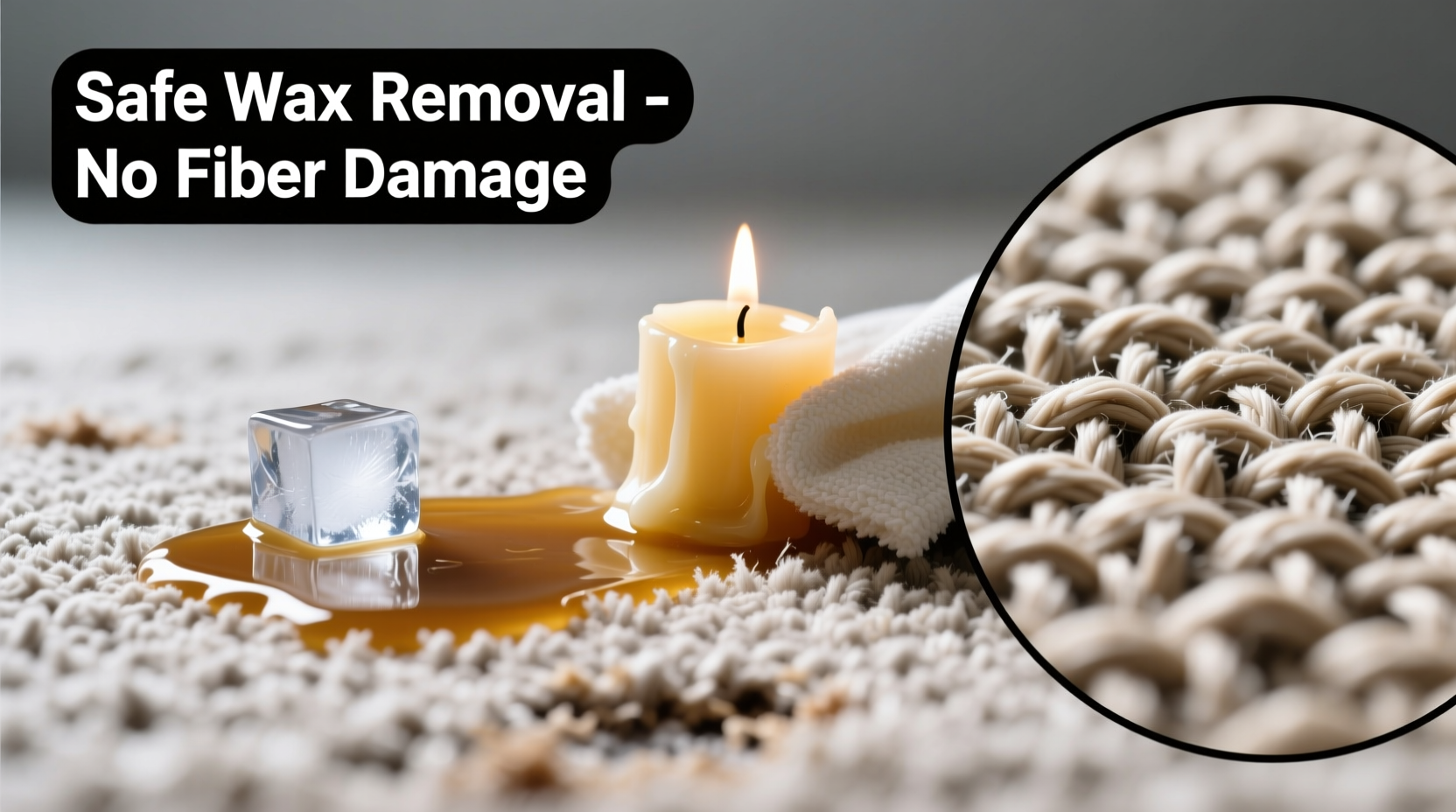
Carpet fibers—whether nylon, polyester, wool, or blends—are designed to resist everyday wear, but they're vulnerable to improper cleaning. Aggressive scraping or using boiling water can melt synthetic fibers, cause discoloration, or set stains if dyes are present in the wax. Additionally, leaving wax behind attracts dirt, creating a dark spot over time that looks worse than the original spill.
Professional carpet technicians emphasize gentle mechanical action combined with controlled heat. The goal isn't just removal—it's restoration. A properly cleaned area should blend seamlessly with the surrounding carpet, both in texture and appearance.
“Wax itself isn’t inherently damaging, but how you handle it determines whether you end up with a repair job or a clean finish.” — Laura Mendez, Certified Carpet Technician (IICRC)
Step-by-Step Guide: Safe Removal Using Heat and Absorption
This method uses household items to gently lift wax without scrubbing or risking fiber damage. It works for most carpet types, including delicate wool.
- Let the wax cool completely. Do not attempt removal while the wax is still soft or warm. Allow several hours if necessary.
- Blot excess with paper towels. If any liquid wax remains, gently press (don’t rub) with white paper towels to absorb surface oil.
- Scrape off bulk wax carefully. Use a dull butter knife or plastic spoon to lift large chunks. Work from the outer edge inward to avoid spreading. Never use sharp objects.
- Place paper towels over the spot. Cover the remaining wax residue with 3–5 layers of plain white paper towels (avoid printed ones—ink may transfer).
- Apply heat with an iron. Set your clothes iron to low or medium heat (no steam). Slowly press it over the paper towel for 10–15 seconds at a time. The heat will melt the wax, which is then absorbed by the paper.
- Replace paper as it becomes waxy. Continue until no more wax transfers. You may need to repeat this process 4–6 times depending on thickness.
- Vacuum the area gently. Once fully cooled, vacuum to restore pile and remove microscopic debris.
Alternative Method: Cold Hardening and Peeling
If you're uncomfortable using heat near synthetic fibers—or if the carpet is particularly sensitive—this cold-based technique offers a safer alternative.
- Place a few ice cubes in a sealed plastic bag.
- Lay the bag directly on the wax spot for 20–30 minutes.
- Once the wax is brittle and fully hardened, gently chip away flakes with a credit card or blunt edge.
- Use sticky tape (like masking tape) to lift any tiny fragments embedded in fibers.
- Vacuum afterward to smooth the surface.
This method is especially useful for low-pile carpets or rugs with delicate textures. However, it’s less effective on deep-set wax or porous fibers like wool, where capillary action pulls wax downward.
Do’s and Don’ts When Removing Wax from Carpet
| Do’s | Don’ts |
|---|---|
| Use white paper towels to prevent dye transfer | Use colored paper or newspaper (ink can stain) |
| Test heat methods on inconspicuous areas | Apply high heat without testing |
| Work from the outside toward the center | Rub or scrub aggressively |
| Allow wax to cool fully before handling | Try to wipe wet wax immediately |
| Vacuum after treatment to restore texture | Leave residue behind; it attracts dirt |
Using Cleaning Solutions for Residual Stains
Sometimes, even after wax removal, a greasy film or faint discoloration remains—especially if the candle contained fragrance oils or dyes. In such cases, a mild cleaning solution helps.
Mix one teaspoon of dish soap (like Dawn) with one cup of warm water. Dip a clean white cloth into the solution, wring thoroughly, and blot the area. Do not soak the carpet. Rinse by dabbing with a cloth dampened only with plain water. Blot dry with a towel and allow to air-dry completely.
For wool carpets, skip dish soap—alkaline formulas can damage protein fibers. Instead, use a wool-safe cleaner or diluted white vinegar (1 part vinegar to 3 parts water), followed by thorough rinsing.
Mini Case Study: Recovering a Wool Rug After a Dinner Party Spill
Sophie hosted a dinner party where multiple taper candles were used. One tipped over, spilling red wax across her hand-knotted wool rug. Initially panicked, she resisted peeling and instead followed a cautious protocol.
She let the wax cool overnight. The next day, she applied the cold method using an ice pack for 25 minutes. Most of the wax became brittle and lifted easily with a plastic scraper. A slight pink tint remained in the fibers. She then mixed a solution of one tablespoon white vinegar and three tablespoons water, lightly dabbing the area. After two rounds of blotting and rinsing with a damp cloth, the discoloration faded significantly. A final vacuum restored the pile’s alignment.
Three weeks later, the spot was nearly undetectable. Her careful approach preserved the rug’s value and avoided costly professional restoration.
Expert Insight: What Professionals Use
Commercial carpet cleaners often use specialized tools like infrared heaters or commercial-grade extraction units. But their principles align with DIY best practices: controlled heat, absorption, and minimal chemical intervention.
“We don’t ‘blast’ wax out. We coax it upward using thermal transfer. That’s why paper towels work—they act like a wick. It’s physics, not force.” — Mark Tran, Owner of ClearPath Carpet Care
Some professionals also use citrus-based degreasers for stubborn oily residues, but only after confirming compatibility with the carpet fiber. These are typically avoided in homes due to potential VOC emissions and sensitivities.
Checklist: Quick Reference for Wax Cleanup
- Allow wax to cool completely
- Blot excess with paper towels (if still liquid)
- Scrape off large pieces with a dull tool
- Choose method: heat + paper towels OR ice + peeling
- Apply heat gently with iron over paper (low setting)
- Or, freeze wax with ice pack for 20–30 minutes
- Peel or chip away hardened wax
- Blot residue with mild detergent solution (if needed)
- Rinse with water and blot dry
- Vacuum once fully dry
FAQ: Common Questions About Wax Removal
Can I use a hairdryer instead of an iron?
Yes, but with caution. A hairdryer on low heat can soften wax gradually. Hold it 6–8 inches away and move constantly to avoid overheating one spot. Place paper towels underneath to catch melted wax. This method takes longer but reduces scorch risk.
Will vinegar damage my carpet?
Generally, no—when diluted properly. White vinegar (5% acidity) is safe for most synthetic carpets and effective at cutting grease. However, avoid it on stone tile grout or unsealed floors beneath. For wool, limit vinegar use and always rinse well, as prolonged exposure can weaken fibers.
What if the wax has already been vacuumed over?
If you accidentally ran a vacuum over spilled wax, check the brush roll and bag/filter immediately. Melted wax can clog filters and coat rollers, spreading residue. Remove visible wax, clean the roller with rubbing alcohol, and replace the bag or empty the canister. Then treat the carpet spot as usual—the underlying wax likely remains embedded.
Prevention Tips for Future Candle Use
While accidents happen, a few precautions reduce risks significantly:
- Use candles in stable, weighted holders—not freestanding tapers on edges.
- Trim wicks to ¼ inch before lighting to minimize flare-ups and dripping.
- Avoid placing candles near foot traffic or airflow (fans, vents).
- Consider flameless LED candles for high-risk areas like kids’ rooms or busy living spaces.
- Place a non-flammable tray or coaster under candle arrangements.
Conclusion: Preserve Your Carpet with Smart Action
Removing candle wax from carpet doesn’t have to mean choosing between effectiveness and safety. By combining patience, proper tools, and science-backed techniques, you can eliminate wax completely without harming fibers. The most successful outcomes come not from speed, but from thoughtful execution—cooling before acting, testing before treating, and absorbing rather than scrubbing.
Your carpet is an investment in comfort and aesthetics. Treating spills correctly extends its life and maintains its appearance. Next time wax lands where it shouldn’t, take a breath, gather your supplies, and follow the steps outlined here. With care, your carpet can look as good as new—no professional service required.




 浙公网安备
33010002000092号
浙公网安备
33010002000092号 浙B2-20120091-4
Comments
No comments yet. Why don't you start the discussion?