
A permanent marker stain on a cherished wood table can be distressing. Whether it’s a child’s artwork gone too far or an accidental swipe during a work session, ink doesn’t belong on fine wood surfaces. The good news is that most permanent marker stains can be removed safely—without sanding or refinishing—if you act quickly and use the right approach. This guide covers tested, non-damaging techniques to lift ink from finished and unfinished wood, preserve your table’s integrity, and avoid common mistakes.
Understanding Permanent Marker and Wood Surfaces
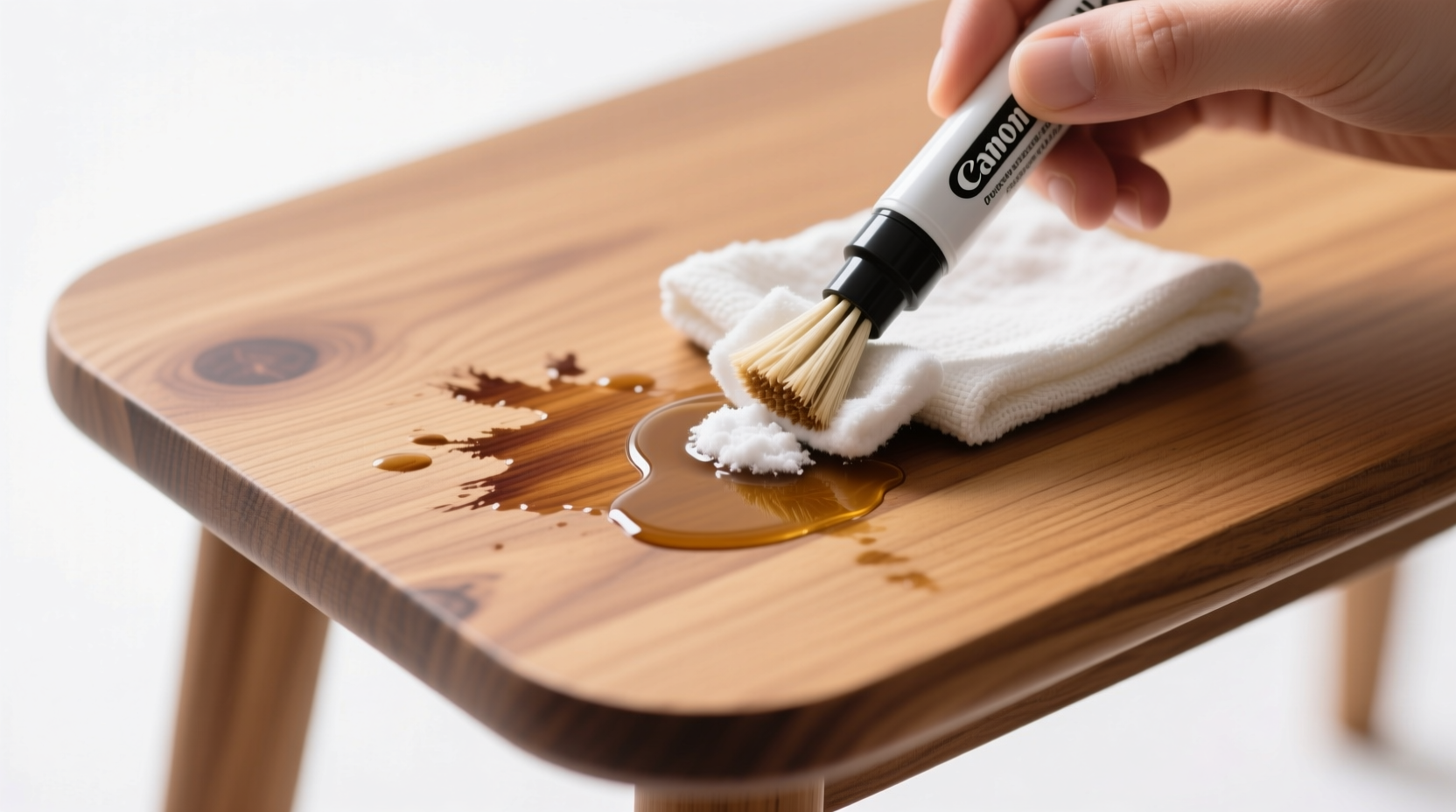
Permanent markers contain alcohol-based inks designed to adhere to porous and non-porous materials. On wood, the ink penetrates the grain, especially if the surface is unfinished or has micro-scratches. Finished wood (sealed with polyurethane, lacquer, or wax) offers more resistance, but prolonged exposure allows ink to seep beneath the coating.
The key to successful removal lies in breaking down the ink without compromising the wood or its finish. Harsh solvents like acetone or bleach may lift the stain but can also strip protective layers, discolor the wood, or leave a dull patch. Therefore, gentler, targeted solutions are preferred—especially for antique or high-value furniture.
“Always test any cleaning method in an inconspicuous area first. What works on oak might damage pine or a delicate veneer.” — Dr. Lena Hartwell, Restoration Specialist at Heritage Wood Care Institute
Step-by-Step Guide: Safe Removal Methods
Follow this structured approach to remove permanent marker safely. Begin with the mildest option and escalate only if necessary.
- Assess the Surface: Determine whether the wood is finished or unfinished. Run a fingernail gently across the area. If it feels smooth and sealed, it’s likely finished. If slightly rough or absorbent, treat as unfinished.
- Blot, Don’t Rub: If the ink is fresh, lightly blot with a dry paper towel to absorb excess. Avoid rubbing, which spreads the ink deeper into the grain.
- Start Mild: Use household items like baking soda or milk before progressing to solvents.
- Test First: Apply any solution to a hidden spot (e.g., underside of table edge) and wait 5 minutes. Check for discoloration or finish lifting.
- Work in Sections: Treat small areas at a time using a soft cloth or cotton swab.
- Rinse and Dry: After removing the stain, wipe with a damp cloth and dry immediately with a lint-free towel.
- Restore Finish: If the area appears dull, apply a matching wood polish or wax to blend.
Method 1: Baking Soda and Water Paste
This gentle abrasive method lifts surface ink without chemicals.
- Mix 2 tablespoons of baking soda with 1 teaspoon of water to form a thick paste.
- Apply with a soft cloth or cotton ball, using circular motions.
- Continue for 30–60 seconds, checking progress.
- Wipe clean with a damp cloth.
Method 2: Milk Soak (Protein-Based Breakdown)
Milk contains enzymes and proteins that break down ink over time. Ideal for light stains on finished wood.
- Soak a cotton ball in whole milk.
- Place it directly on the stain for 10–15 minutes.
- Gently rub with the soaked cotton in small circles.
- Wipe with a clean, damp cloth and dry thoroughly.
This method works best when applied soon after staining. It’s especially effective on maple and birch finishes.
Method 3: Rubbing Alcohol (Isopropyl Alcohol)
A stronger solvent, but still safer than acetone. Use only on finished wood and with caution.
- Dampen a cotton swab with 70% isopropyl alcohol—never pour directly onto the wood.
- Gently dab the stained area, avoiding excessive moisture.
- Blot frequently with a dry cloth to lift dissolved ink.
- Stop immediately if the finish begins to cloud or wrinkle.
- Finish by wiping with a barely damp cloth and drying.
Note: Alcohol can lighten some wood dyes. Always test first.
Method 4: Magic Eraser (Melamine Foam)
A popular choice for surface-level stains, melamine foam acts like superfine sandpaper.
- Cut a small piece of magic eraser and moisten with water (squeeze out excess).
- Gently scrub the stain using light pressure.
- Wipe residue with a damp cloth.
Method 5: Toothpaste (Non-Gel, Whitening)
Whitening toothpaste contains mild abrasives and peroxide, helping lift ink.
- Use plain white toothpaste (avoid gel or colored varieties).
- Apply a pea-sized amount to a soft cloth.
- Rub gently in circular motions for 30 seconds.
- Wipe clean with a damp cloth.
Best for minor marks on sealed surfaces. Not recommended for dark-stained woods due to potential lightening.
Do’s and Don’ts: Table Summary
| Action | Do | Don't |
|---|---|---|
| Testing Solutions | Always test in a hidden area first. | Never apply full-strength solvents without testing. |
| Application Method | Use cotton swabs or soft cloths; dab, don’t soak. | Avoid dripping liquids or oversaturating the wood. |
| Pressure | Apply light, circular motions. | Do not scrub aggressively—it damages the finish. |
| Solvent Use | Limited use of rubbing alcohol on finished wood. | Avoid acetone, nail polish remover, or bleach. |
| Drying | Dry immediately with a lint-free towel. | Leaving moisture on wood can cause warping or clouding. |
Real Example: Removing Marker from a Dining Table
Sarah Thompson, a mother of two in Portland, returned home to find her 7-year-old had drawn a detailed spaceship across her walnut dining table with a black Sharpie. The table was finished with satin polyurethane and over ten years old. Panicked, she tried wiping with a wet cloth—only spreading the ink further.
She followed the baking soda method first. After five minutes of gentle rubbing, the outline faded but remained visible. She then used a cotton swab with rubbing alcohol, applying it in tiny dabs. Within three minutes, the stain lifted completely. She wiped the area with a damp cloth, dried it, and applied a coat of walnut-colored furniture wax to even out the sheen.
“I was ready to refinish the whole table,” Sarah said. “But taking it step by step saved hundreds of dollars and preserved the original look.”
Checklist: Removing Permanent Marker Safely
Use this checklist to ensure you cover all critical steps:
- ✅ Identify if the wood is finished or unfinished
- ✅ Blot fresh ink—don’t rub
- ✅ Test any method on a hidden area
- ✅ Start with the mildest option (baking soda, milk)
- ✅ Use soft cloths or cotton swabs—no abrasive pads
- ✅ Limit moisture; never soak the wood
- ✅ Stop immediately if finish clouds or peels
- ✅ Dry the area thoroughly after cleaning
- ✅ Restore luster with matching polish or wax
- ✅ Consider professional refinishing if stain persists deeply
Frequently Asked Questions
Can I use hand sanitizer to remove permanent marker from wood?
Hand sanitizer contains alcohol and glycerin, making it somewhat effective. However, the added fragrances and dyes may leave residue or discolor the wood. If used, choose an unscented, clear version and apply sparingly with a cotton swab. Wipe clean immediately and dry.
What if the stain remains after trying multiple methods?
If the ink has deeply penetrated unfinished wood, surface cleaning may not suffice. In such cases, light sanding with 220-grit sandpaper followed by restaining and sealing may be necessary. For valuable or antique tables, consult a wood restoration professional before attempting sanding.
Will these methods work on painted wood furniture?
Yes, but with caution. Painted surfaces can be sensitive to alcohol and abrasives. Start with milk or baking soda paste. Avoid magic erasers on chalk paint or delicate finishes, as they can remove the top layer.
Expert Tips for Prevention and Long-Term Care
Once the stain is gone, take steps to prevent recurrence and protect your investment.
Use coasters, placemats, or tablecloths during craft activities. For homes with kids or frequent guests, consider applying a sacrificial wax coating to high-use areas. Beeswax-based polishes add a protective layer that makes future cleanups easier.
Regular dusting with a microfiber cloth prevents buildup that can trap stains. Deep clean every few months with a pH-balanced wood cleaner to maintain finish integrity.
“The best stain removal strategy is prevention. A well-maintained wood surface resists damage far better than one treated only after accidents occur.” — Marcus Tran, Furniture Conservator at Pacific Northwest Museum of Craft
Conclusion: Act Quickly, Clean Wisely
Removing permanent marker from a wood table doesn’t require drastic measures. With patience and the right techniques, most stains can be eliminated using everyday household items. The secret lies in starting mild, testing carefully, and respecting the wood’s finish. By following the methods outlined here—from baking soda pastes to cautious alcohol use—you can restore your table’s appearance without causing further harm.




 浙公网安备
33010002000092号
浙公网安备
33010002000092号 浙B2-20120091-4
Comments
No comments yet. Why don't you start the discussion?