
Sweaters are a staple in cold-weather wardrobes, prized for their warmth, comfort, and style. Over time, however, even the most carefully worn knitwear develops an inevitable issue: pilling. These small, fuzzy balls of fiber form due to friction and wear, particularly on sleeves, underarms, and around the torso. While harmless, they detract from a sweater’s appearance and can make it look old or poorly maintained.
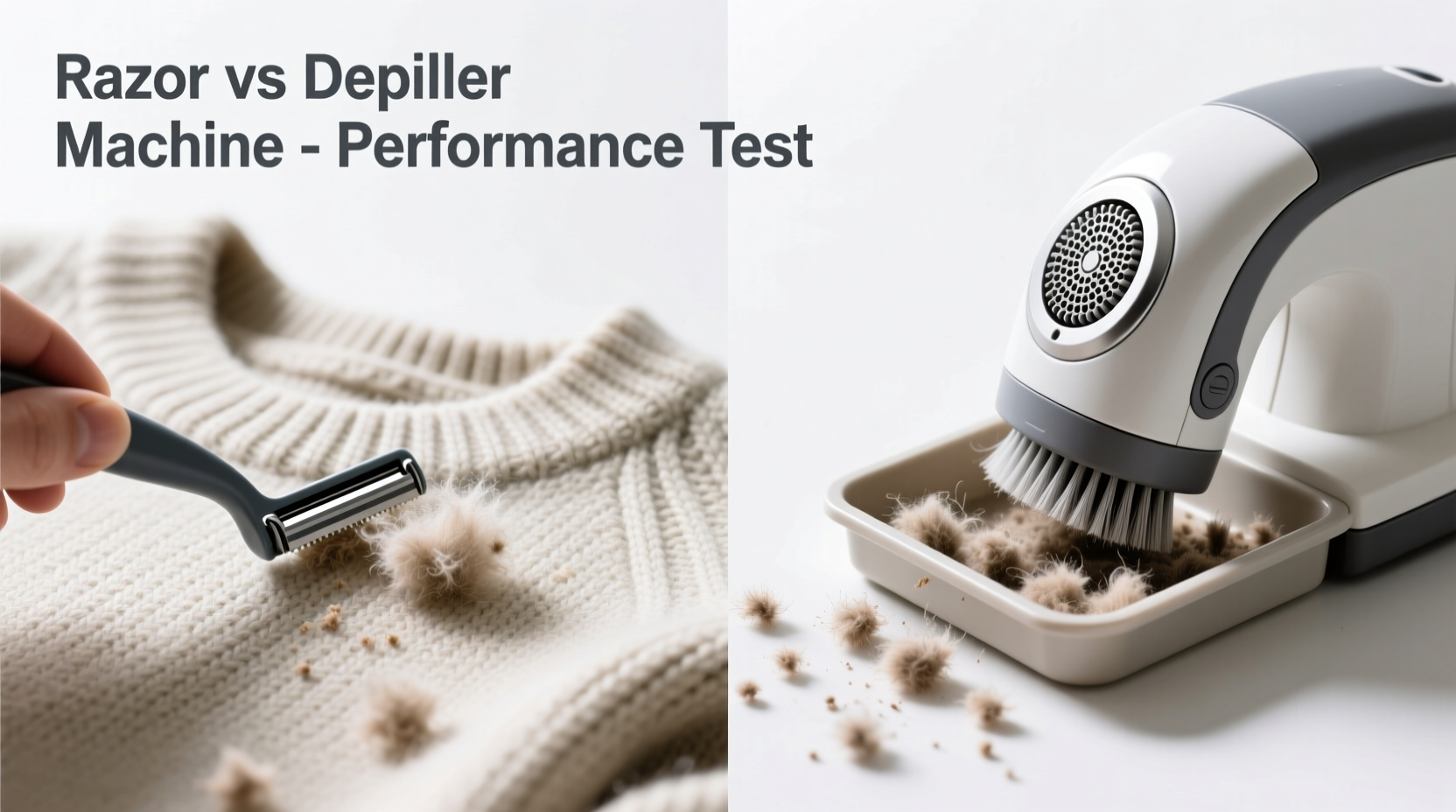
Two of the most common tools used to combat this problem are household razors and electric fabric depillers. Both promise smoother fabric and renewed appearance—but which method delivers better results without risking damage? This article dives deep into the practical differences between using a razor and a depiller machine, helping you choose the right tool based on fabric type, cost, ease of use, and long-term garment care.
Understanding Pilling: Why It Happens and What It Means
Pilling occurs when short fibers on the surface of a fabric become tangled into tiny knots due to repeated rubbing. Common causes include backpack straps, seat belts, layering with outerwear, and even washing and drying cycles. Natural fibers like wool and cotton can pill, but synthetic blends—especially those containing polyester, acrylic, or nylon—are far more prone to the issue because of their shorter, weaker fibers.
While pilling doesn’t indicate poor quality, excessive fuzz can signal that a garment is being overused or improperly cared for. The good news is that pilling is not permanent. With the right tools, it can be safely removed, restoring your sweater’s original texture and appearance.
Razor Method: Low-Cost, High-Risk?
Using a standard razor—typically a disposable or safety razor—is a popular DIY solution for removing pills. The method is simple: lay the sweater flat, stretch the fabric taut, and gently glide the blade across the surface to shave off the fuzz.
The appeal lies in accessibility. Most households already have a razor, making this a zero-cost option. However, the technique demands precision. A heavy hand or uneven pressure can easily snag threads, create holes, or leave behind thin, translucent patches known as “runs.”
This method works best on thicker, tightly knitted fabrics such as wool or cotton blends where fibers are less likely to unravel. It's less suitable for delicate materials like cashmere, merino wool, or loosely woven synthetics.
“While a razor can deliver quick results, it’s unforgiving. One slip can compromise the integrity of the entire garment.” — Lena Pruitt, Textile Restoration Specialist
Step-by-Step: How to Use a Razor Safely
- Lay the sweater flat on a clean, dry surface. Smooth out wrinkles and ensure the area is well-lit.
- Stretch the fabric gently with one hand to keep it taut—this reduces the chance of cutting too deeply.
- Hold the razor at a shallow angle (about 30 degrees) and use short, light strokes in one direction only.
- After each stroke, wipe away loose lint with a soft brush or cloth.
- Inspect the fabric frequently. Stop if you notice any thinning or pulled threads.
- Once finished, launder the sweater gently to remove debris and restore softness.
Even with careful execution, the razor method offers inconsistent results. Some areas may appear overly shaved while others retain pills, leading to a patchy finish. Additionally, blades dull quickly, requiring frequent replacement to maintain effectiveness.
Depiller Machine: Precision and Consistency
An electric fabric depiller—also called a lint remover or sweater shaver—is a compact device designed specifically for removing pills. It features a small rotating blade housed behind a perforated guard. As the device moves across the fabric, pills are drawn through the holes and cleanly cut away.
Unlike razors, depillers are engineered with safety mechanisms. The guard prevents direct contact between the blade and the main fabric, significantly reducing the risk of snags or tears. Many models also include adjustable settings, suction features, and removable lint trays for easy cleanup.
These machines range from $15 to $50, depending on brand, power source (battery vs. USB), and additional features like dual blades or ergonomic design. Though an upfront investment, a depiller pays for itself over time by extending the life of multiple garments.
Real Example: From Fuzzy to Flawless in Minutes
Sophie, a remote worker from Portland, wears her favorite navy acrylic-blend sweater nearly every winter day. After two seasons of regular use, the elbows and cuffs were heavily pilled, giving it a worn look despite its structural integrity. She tried using a razor once but accidentally created a small hole near the cuff.
Reluctant to retire the sweater, she purchased a mid-range USB-rechargeable depiller. In under ten minutes, she restored the sweater to near-new condition. The machine collected a surprising amount of lint, and the fabric emerged smooth and uniform. Two years later, she continues to use the depiller monthly during peak sweater season, keeping her entire knitwear collection in excellent shape.
Comparing Razor and Depiller: A Practical Breakdown
| Feature | Razor | Depiller Machine |
|---|---|---|
| Cost | Free (if already owned) | $15–$50 |
| Effectiveness | Moderate; varies by user skill | High; consistent results |
| Safety | Low; high risk of snags | High; built-in blade guard |
| Speed | Fast on small areas | Moderate to fast |
| Fabric Suitability | Best for thick, durable knits | Safe for most fabrics, including delicates |
| Durability of Results | Short-term; may require frequent touch-ups | Longer-lasting; cleaner cuts reduce regrowth |
| Learning Curve | Steep; requires practice | Minimal; intuitive operation |
The table highlights a clear trade-off: razors offer immediate access at no cost but come with significant risks and inconsistent outcomes. Depillers, while requiring investment, provide safer, more reliable performance across a broader range of fabrics.
When to Choose Each Method
Despite the advantages of electric depillers, there are still scenarios where a razor might be appropriate:
- Emergency touch-up: If you need to quickly de-pill a sweater before an event and don’t own a depiller, a razor can work in a pinch—with extreme caution.
- Budget constraints: For those who rarely deal with pilling or own only a few sweaters, investing in a machine may not be justifiable.
- Thick, resilient fabrics: Heavy wool or cotton cardigans with dense weaves can tolerate careful shaving better than lightweight knits.
Conversely, a depiller is the superior choice when:
- You own multiple sweaters or knit garments.
- Your wardrobe includes delicate materials like cashmere or merino wool.
- You prioritize garment longevity and want to avoid accidental damage.
- You’re managing pilling on upholstery, blankets, or other fabric items beyond clothing.
Action Plan: Best Practices for Long-Term Sweater Care
Prevention is always better than correction. Follow this checklist to minimize pilling and extend the life of your knitwear:
- Wash sweaters inside out using cold water and a gentle detergent.
- Avoid the dryer—air dry flat to preserve fiber integrity.
- Store folded, not hung, to prevent stretching.
- Use garment bags for seasonal storage to reduce dust and abrasion.
- De-pill at the first sign of fuzz—don’t wait until pills become dense mats.
- Rotate sweater use to reduce continuous friction on single items.
Frequently Asked Questions
Can I use a razor on cashmere sweaters?
No. Cashmere is extremely delicate, and even light pressure from a razor can pull or break fibers, leading to holes. Use a battery-powered depiller with a fine guard or a manual fabric comb instead.
Do depillers damage fabric over time?
Not when used correctly. High-quality depillers are designed to cut only the protruding pills, not the base fabric. However, repeated aggressive use on the same spot may weaken fibers. Always follow the manufacturer’s instructions and use gentle, even strokes.
How often should I de-pill my sweaters?
Every 3–5 wears, depending on usage. If you notice visible fuzz forming, especially on high-friction areas, it’s time to de-pill. Regular maintenance prevents pills from matting and becoming harder to remove.
Expert Insight: The Professional Perspective
“Consumers often underestimate how much proper maintenance affects perceived garment quality. A well-maintained sweater looks expensive—even if it wasn’t. Tools matter, but technique matters more.” — Marcus Bell, Sustainable Fashion Consultant
Bell emphasizes that modern consumers are shifting toward slow fashion—valuing fewer, higher-quality pieces that last. In this context, maintaining knitwear becomes not just aesthetic but ethical. Removing pills effectively aligns with sustainability goals by reducing textile waste and delaying the need for replacements.
Final Recommendation: Invest in Care, Not Just Clothing
While a razor might seem like a convenient shortcut, the risks outweigh the benefits for most users. The depiller machine, though a small investment, offers a safer, more effective, and repeatable solution. It empowers you to maintain your wardrobe with confidence, preserving both appearance and function.
Think of it this way: if you spend $50 on a sweater, spending another $20 on a depiller to keep it looking new for years is a smart extension of that value. In contrast, damaging a garment with a careless swipe of a blade turns that $50 into a short-lived purchase.
For anyone who owns more than one sweater—or plans to build a capsule winter wardrobe—a depiller is not a luxury. It’s a practical tool of garment stewardship.




 浙公网安备
33010002000092号
浙公网安备
33010002000092号 浙B2-20120091-4
Comments
No comments yet. Why don't you start the discussion?