
White t-shirts are a wardrobe staple—versatile, timeless, and effortlessly stylish. But they come with a hidden enemy: sweat stains. Over time, underarm discoloration can turn crisp whites into dingy yellows, making even well-loved tees look worn out. The good news? You don’t need specialty cleaners or expensive treatments. With a few everyday household items and the right techniques, you can lift stubborn sweat stains and restore your tees to their original brightness.
Sweat itself is mostly clear, but when it mixes with body oils, dead skin cells, and especially antiperspirant ingredients like aluminum, it forms a sticky residue that bonds to fabric fibers. This combination creates yellowish stains that worsen with heat and time. The key to removal lies in breaking down these compounds gently without damaging the cotton. Below are scientifically backed, practical methods using items you likely already have at home.
The Science Behind Sweat Stains
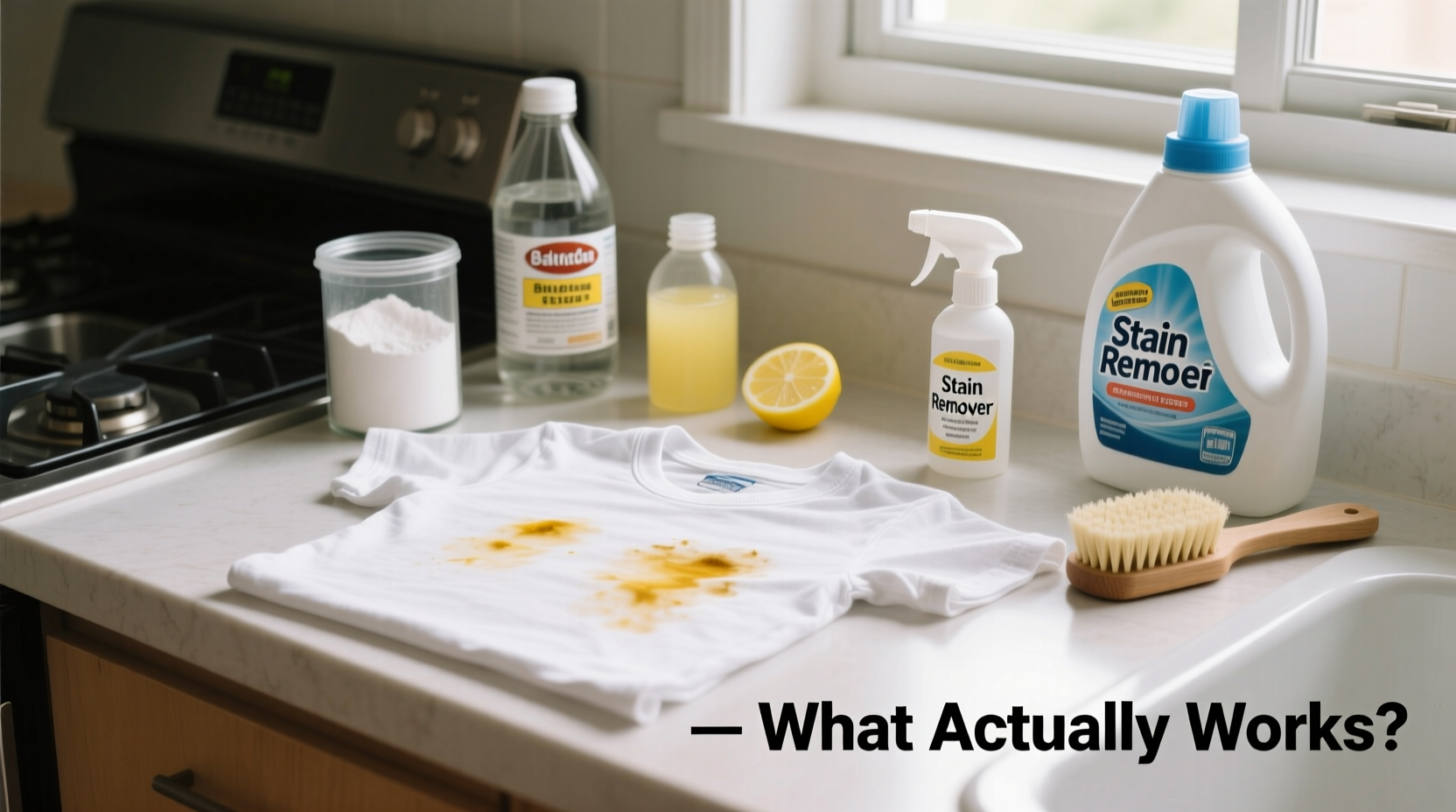
Sweat stains aren’t just surface-level dirt. They penetrate deep into the fibers of cotton and synthetic blends, particularly in areas where antiperspirants are applied. Aluminum-based compounds in deodorants react with sweat to form salts that bind tightly to fabric. These residues oxidize over time, leading to permanent yellowing if not treated early.
According to textile researchers at the American Association of Textile Chemists and Colorists (AATCC), protein-based stains like sweat respond best to enzymatic or alkaline treatments. However, aggressive bleaching or high heat before stain removal can set the discoloration permanently. That’s why timing and method matter more than strength of cleaner.
“Sweat stains are chemical reactions trapped in fabric. The earlier you intervene, the better your chances of full restoration.” — Dr. Lila Monroe, Textile Preservation Specialist
Everyday Items That Actually Work
You don’t need a laundry lab to fight sweat stains. Common kitchen and bathroom staples can be surprisingly effective. Here’s how to use them properly:
1. White Vinegar – The Natural Acid Powerhouse
Vinegar’s acetic acid breaks down alkaline residues left by deodorants and neutralizes odor-causing bacteria. It also softens water, enhancing detergent performance.
2. Baking Soda – Gentle Abrasive & Odor Neutralizer
Baking soda lifts stains through mild abrasion and pH balancing. When combined with vinegar, it creates a fizzing reaction that helps dislodge embedded grime.
3. Hydrogen Peroxide – Oxygen-Based Bleach Alternative
A 3% hydrogen peroxide solution safely whitens fabrics without the harshness of chlorine bleach. It releases oxygen radicals that break apart organic stains like sweat and oil.
4. Lemon Juice – Natural Citric Acid + Sun Whitening Boost
Lemon juice contains citric acid, which dissolves mineral deposits from antiperspirants. When exposed to sunlight, its natural bleaching effect intensifies—a process known as photo-oxidation.
5. Dish Soap (Dawn or Similar) – Grease-Cutting Enzyme Action
Dish soaps are formulated to cut through oils and proteins—exactly what sweat stains are made of. A few drops directly on the stain help emulsify oily residues before washing.
Step-by-Step Guide: Removing Sweat Stains at Home
Follow this timeline-based method for maximum effectiveness. The goal is to treat stains before laundering, not rely solely on the wash cycle.
- Act quickly: Treat stains within 24–48 hours if possible. Old stains require repeated treatment.
- Pre-treat with dish soap: Apply 1–2 drops of liquid dish soap directly to the stained area. Gently rub with fingers or a soft brush. Let sit for 10 minutes.
- Create a vinegar-baking soda paste: Mix 2 tablespoons baking soda with 1 tablespoon water and 1 tablespoon white vinegar. Stir into a thick paste.
- Apply paste to stain: Use a spoon or finger to spread the paste over both sides of the underarm area. Don’t rinse yet.
- Let it dwell: Allow the paste to sit for 30–60 minutes. For older stains, leave up to 2 hours.
- Scrub lightly: Use an old toothbrush to gently agitate the fabric. Focus on lifting residue without damaging fibers.
- Rinse thoroughly: Flush with cold water until all paste is removed.
- Treat with hydrogen peroxide (optional): Spray or dab 3% hydrogen peroxide on remaining discoloration. Wait 15 minutes.
- Wash in cold water: Use regular detergent. Avoid hot water—it sets protein stains.
- Air dry: Hang in direct sunlight if possible. UV rays naturally bleach residual yellowing.
- Inspect before drying: If stain remains, repeat the process. Never put the shirt in the dryer until the stain is gone—heat locks in discoloration.
Comparison Table: Household Remedies at a Glance
| Item | Best For | How It Works | Caution |
|---|---|---|---|
| White Vinegar | Fresh and aged stains, odor removal | Acidic breakdown of salt and oil residues | May weaken elastic fibers with long-term overuse |
| Baking Soda | Mild lifting, pH balance | Gentle abrasion and buffering action | Can leave residue if not rinsed well |
| Hydrogen Peroxide (3%) | Whitening, disinfecting | Oxygen release breaks down organic matter | Not safe for dark fabrics; test first |
| Lemon Juice + Sunlight | Yellow stain correction | Photo-oxidation enhances natural bleaching | Overexposure may weaken fibers |
| Dish Soap (degreasing type) | Oily, fresh sweat marks | Emulsifies fats and proteins in sweat | Use sparingly to avoid suds buildup |
Real Example: Reviving a Forgotten Staple Tee
Jamal had a favorite white crewneck he wore weekly during workouts. After six months, the underarms turned yellow, and he assumed it was beyond saving. Instead of tossing it, he tried the vinegar-baking soda method. He applied the paste, let it sit for 90 minutes, then rinsed and washed in cold water with hydrogen peroxide added to the drum. After air-drying in his backyard for two hours under midday sun, the yellowing was 80% gone. A second round eliminated the rest. “I couldn’t believe it,” he said. “It looked brand new. I’ve used this on three other shirts since.”
This case shows that even heavily stained garments can be rescued with patience and proper technique. The key was avoiding the dryer until the stain was fully removed—a mistake many make.
Pro Checklist: Sweat Stain Removal Routine
- ☑ Inspect t-shirts weekly for early signs of discoloration
- ☑ Pre-treat stains within 48 hours of wearing
- ☑ Use cold water only during washing
- ☑ Combine baking soda + vinegar paste for deep cleaning
- ☑ Add hydrogen peroxide to boost whitening power
- ☑ Air-dry in direct sunlight when possible
- ☑ Never machine-dry until stain is completely gone
- ☑ Store clean tees in breathable cotton bags or drawers
What Not to Do: Common Mistakes
Even with the right ingredients, improper handling can ruin your efforts—or your shirt.
- Using hot water: Heat causes proteins in sweat to coagulate, setting the stain permanently.
- Skipping pre-treatment: Relying only on detergent rarely removes set-in sweat marks.
- Overusing bleach: Chlorine bleach yellows cotton over time and weakens fibers.
- Drying too soon: Tossing a stained tee into the dryer seals the discoloration with heat.
- Ignoring fabric labels: Some blends (like tri-blends) are sensitive to acids or oxidizers.
“The biggest mistake people make is treating sweat stains like dirt. They’re chemical, not particulate. You need chemistry, not scrubbing force.” — Renata Flores, Sustainable Laundry Consultant
Frequently Asked Questions
Can I use this method on colored t-shirts?
No. Hydrogen peroxide and lemon juice act as bleaches and may lighten or damage colored fabrics. Stick to vinegar and dish soap for non-white garments, and always spot-test first.
How often should I deep-clean my white tees?
For frequently worn shirts, perform a preventive treatment every 3–4 wears. For workout tees, treat after every use if possible. Regular maintenance prevents buildup.
Will these methods work on armpit odor even if there’s no visible stain?
Yes. Lingering smells mean bacteria and oils remain in the fibers. A soak in equal parts water and white vinegar (1 hour before washing) eliminates odor at the source.
Final Thoughts: Keep Your Whites Looking Crisp
Removing sweat stains from white tees doesn’t require magic—just knowledge and consistency. The everyday items in your pantry are powerful allies when used correctly. Vinegar, baking soda, hydrogen peroxide, lemon juice, and dish soap each play a role in dismantling the complex chemistry of sweat buildup. Combined with proper washing habits and sunlight drying, they can extend the life of your favorite tees by years.
Don’t let yellow underarms dictate your wardrobe. With a little effort and the right approach, you can keep your whites bright, fresh, and wearable long after others would have given up on them. Start today—grab that stained tee from the back of your drawer and give it a second chance.




 浙公网安备
33010002000092号
浙公网安备
33010002000092号 浙B2-20120091-4
Comments
No comments yet. Why don't you start the discussion?