
In recent years, resin keychains have exploded in popularity. From pastel swirls to embedded dried flowers and glitter, they’ve become a staple at craft fairs, online marketplaces, and gift shops. Their charm is undeniable—customizable, lightweight, and often affordable. But as their presence grows, so do questions about their material: most resin keychains are made from plastic, specifically epoxy or polyester resin. That raises a pressing concern—are plastic keychains really that bad for the environment, health, and long-term sustainability?
The answer isn’t black and white. While not all plastics are created equal, understanding the nuances of resin production, disposal, and real-world impact is essential for making informed choices. This article dives deep into the lifecycle of resin keychains, compares them to alternative materials, and explores whether their aesthetic appeal comes at too high a cost.
The Rise of Resin Keychains: Why They’re So Popular
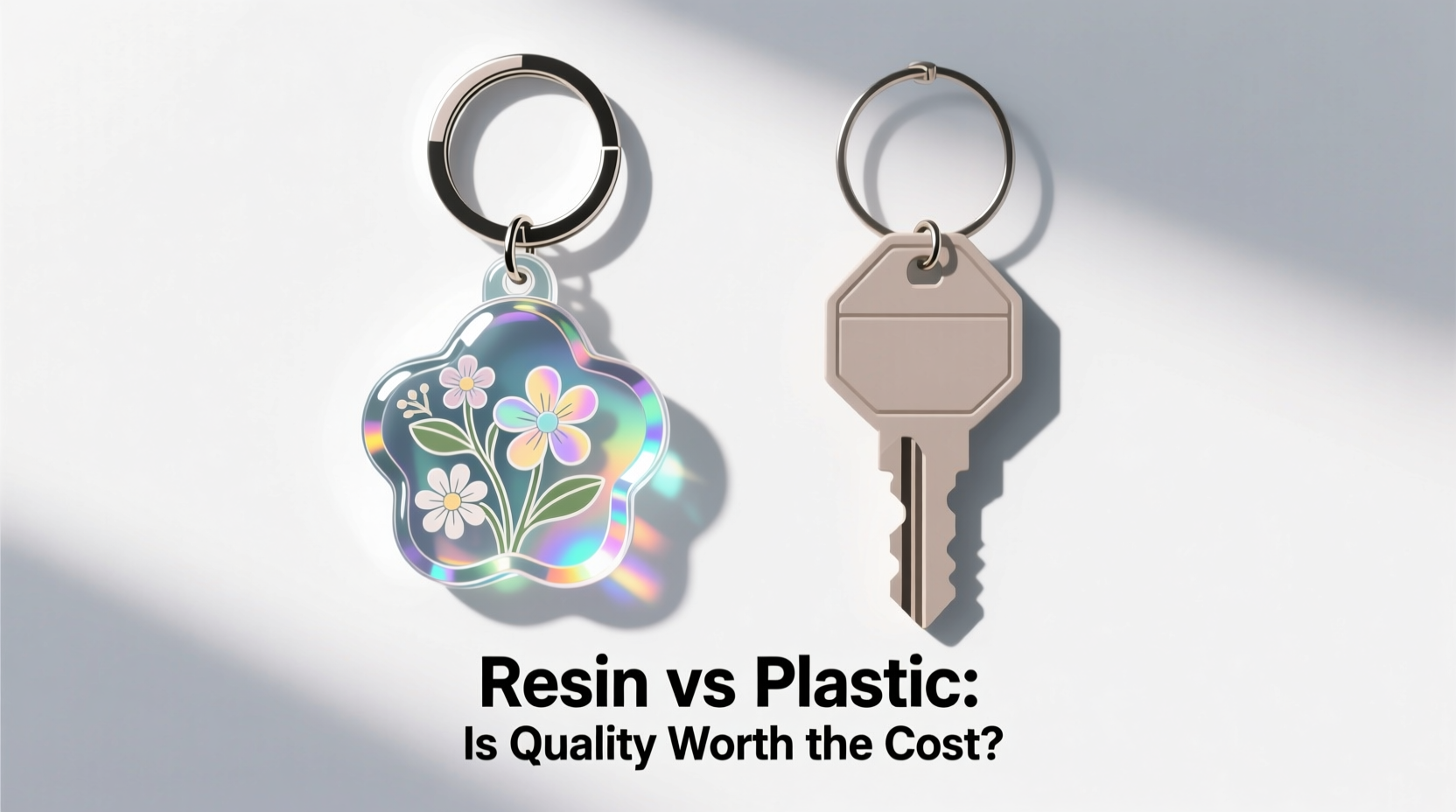
Resin keychains gained traction thanks to social media and the handmade movement. Platforms like Etsy, TikTok, and Instagram have turned small creators into viral sensations by showcasing vibrant, intricate designs that feel personal and artistic. Unlike mass-produced metal or leather accessories, resin allows for endless customization—colors, textures, embedded items, and shapes can be tailored to individual tastes.
Beyond aesthetics, resin is easy to work with. DIY kits are widely available, enabling hobbyists to create professional-looking pieces without specialized training. The low startup cost makes it accessible, fueling a cottage industry of independent artisans.
But behind the glossy surface lies a more complex reality. Most resins used in crafting are thermosetting plastics derived from petroleum. Once cured, they cannot be melted down and reshaped like thermoplastics. This permanence contributes to their durability—but also to their persistence in landfills.
Environmental Impact: What Happens After the Keychain Breaks?
When a resin keychain cracks, fades, or simply goes out of style, where does it go? Unlike paper or organic materials, cured resin doesn’t biodegrade. It may sit in a landfill for hundreds of years, slowly fragmenting into microplastics without fully decomposing.
A 2023 study published in *Environmental Science & Technology* found that polyester and epoxy resins release microplastic particles when exposed to UV light and mechanical stress—conditions common in outdoor environments. These particles can leach into soil and water systems, potentially entering the food chain.
“Even small plastic items like keychains contribute to the cumulative burden of microplastic pollution. Size doesn’t diminish impact when usage is widespread.” — Dr. Lena Patel, Environmental Chemist at the University of Oregon
Additionally, the production of resin involves volatile organic compounds (VOCs), which can pollute indoor air during curing unless proper ventilation is used. While hobbyists may pour small batches, commercial operations can emit significant VOC levels if unregulated.
Plastic vs. Alternatives: A Material Comparison
Not all keychains are made from resin. Understanding how plastic stacks up against other materials helps assess its true trade-offs. Below is a comparison of common keychain materials based on durability, environmental footprint, and recyclability.
| Material | Durability | Biodegradable? | Recyclable? | Notes |
|---|---|---|---|---|
| Epoxy Resin (Plastic) | High (if not dropped) | No | No (thermoset) | Prone to yellowing in sunlight; releases microplastics over time |
| Polyester Resin (Plastic) | Moderate | No | No | More brittle than epoxy; higher VOC emissions |
| Stainless Steel | Very High | N/A | Yes | Durable, recyclable, but heavier and less customizable |
| Wood (Sustainable Source) | Moderate | Yes (over time) | Compostable | Biodegradable, but may warp or crack with moisture exposure |
| Silicone | High | No | Limited recycling programs | Flexible and durable, but still a synthetic polymer |
| Recycled PET Plastic | Moderate | No | Yes (in some facilities) | Better than virgin plastic, but still contributes to plastic waste |
While resin offers creative freedom, materials like stainless steel and sustainably sourced wood present longer-lasting, lower-impact alternatives. The choice depends on balancing design goals with environmental responsibility.
Real-World Example: A Small Business Reevaluates Its Materials
Joyce Lin runs a successful Etsy shop selling custom resin keychains inspired by nature. Her butterfly-in-resin designs went viral in 2022, leading to thousands of orders. But after receiving messages from eco-conscious customers, she began researching her product’s footprint.
She discovered that while her packaging was recyclable, the keychains themselves were not. She also learned that some customers discarded them within months due to chipping or fading. Determined to improve, Joyce experimented with bio-resins made from plant-based sources and partnered with a recycler that accepts cured resin for energy recovery (waste-to-energy conversion).
Today, 60% of her line uses a partially bio-based epoxy, and she clearly labels non-recyclable items. “I didn’t want to stop making beautiful things,” she says, “but I also don’t want to contribute to waste. Transparency is part of the solution.”
How to Make Smarter Choices: A Practical Checklist
Whether you're a consumer or a creator, small changes can reduce the environmental toll of plastic keychains. Use this checklist to make more sustainable decisions:
- ✅ Choose keychains made with bio-based or low-VOC resins when possible
- ✅ Support brands that disclose material sources and disposal guidance
- ✅ Avoid cheap, mass-produced resin items with short lifespans
- ✅ Opt for durable alternatives like metal or wood for everyday use
- ✅ Recycle through specialty programs (e.g., Terracycle) if available
- ✅ Repurpose broken resin items into art or decor instead of trashing them
- ✅ Store resin keychains away from direct sunlight to prevent yellowing
What Can Be Done With Old or Broken Resin Keychains?
Since traditional recycling isn’t an option, consider these creative reuse strategies:
- Turn them into jewelry: Drill a small hole and convert a cracked keychain into a pendant or earring.
- Use in mixed-media art: Embed broken pieces into larger resin projects or collages.
- Create garden markers: Paint names on resin shards and stick them into plant pots.
- Donate to schools or craft centers: Artists and educators may repurpose them in art classes.
- Explore waste-to-energy programs: Some industrial facilities accept cured resin for incineration with energy capture.
Frequently Asked Questions
Are resin keychains toxic once cured?
Cured epoxy and polyester resins are generally considered safe for handling. However, improper curing or exposure to heat can release trace chemicals. Avoid using them near food or in high-heat environments like cars in summer.
Can resin keychains be recycled?
No, standard curbside recycling does not accept thermoset plastics like cured resin. Specialized industrial processes such as pyrolysis or cement kiln co-processing can handle them, but access is limited. Check with local hazardous waste or craft material recyclers.
Are there eco-friendly resin alternatives?
Yes. Bio-based resins derived from plant oils (like cashew or pine) are emerging. Brands like Entropy Resins offer products with partial renewable content. While not fully biodegradable, they reduce reliance on fossil fuels and lower carbon emissions during production.
Conclusion: Balancing Beauty and Responsibility
Resin keychains aren’t inherently evil—they’re a product of creativity, accessibility, and demand for personalized goods. But their plastic composition means they carry long-term environmental consequences if produced, used, and discarded carelessly.
The real issue isn’t the keychain itself, but the culture of disposability surrounding small accessories. When treated as fleeting trends rather than lasting items, even the most beautifully crafted resin piece becomes part of the waste stream.
The solution lies in mindful consumption: choosing quality over quantity, supporting transparent makers, reusing what we can, and demanding better materials. As consumers and creators, we have the power to shift the narrative—from fast craft to sustainable expression.




 浙公网安备
33010002000092号
浙公网安备
33010002000092号 浙B2-20120091-4
Comments
No comments yet. Why don't you start the discussion?